
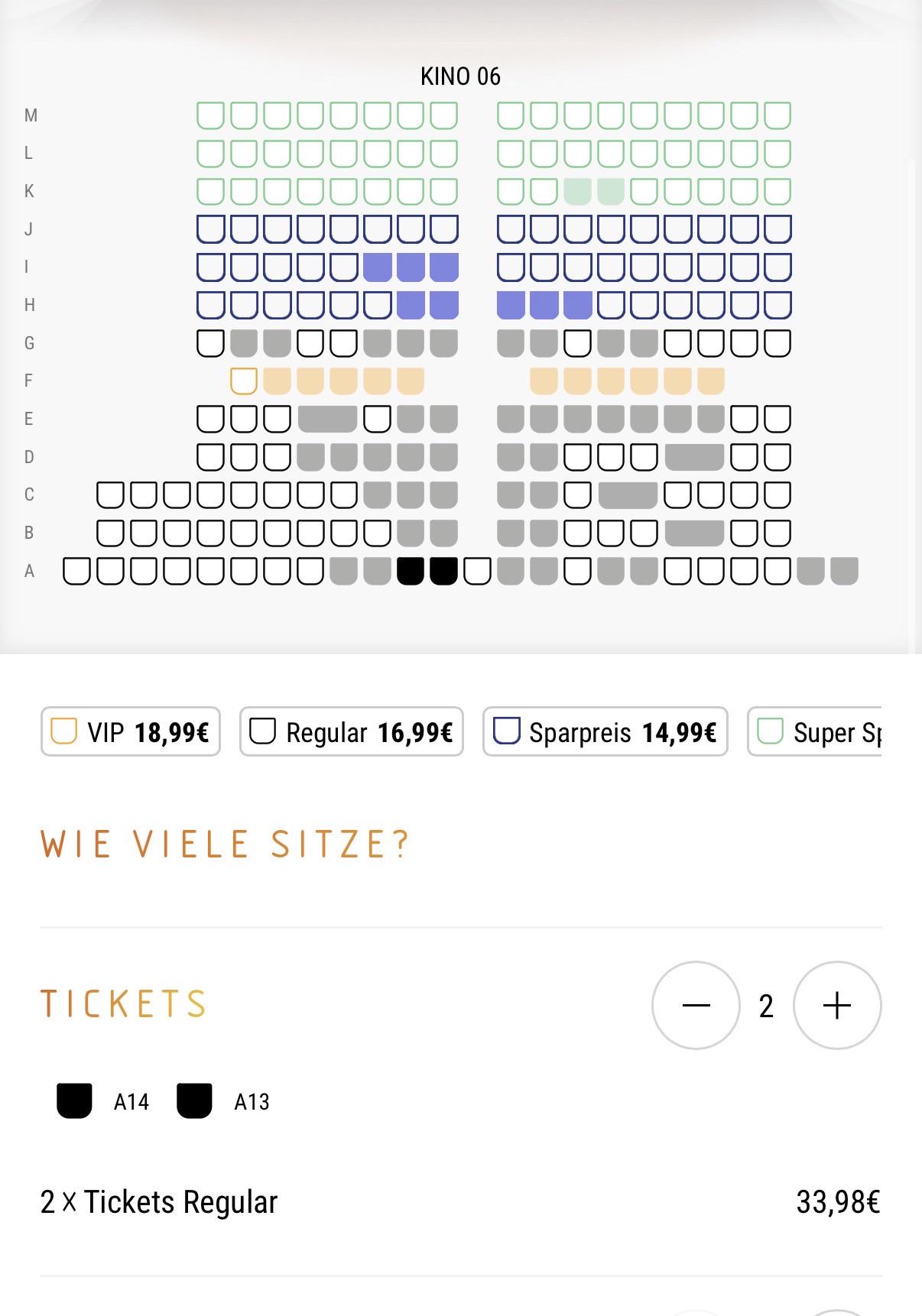
Not the fancy VIP seats with recliners. Not 3D with the glasses that never quite fit. Just… the movie. You nearly laughed out loud, except nothing about that number was funny.
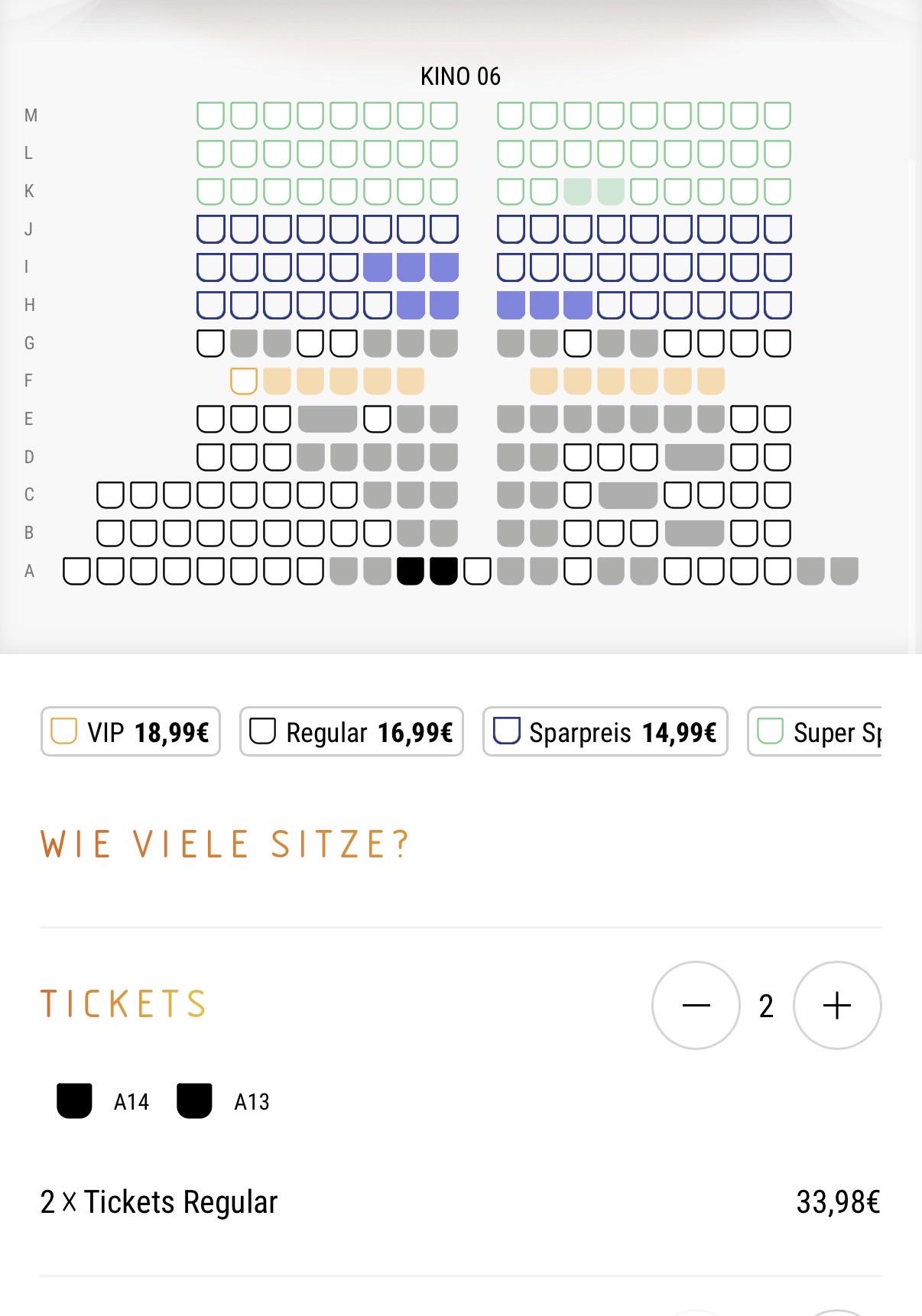
A German finance forum exploded with this exact scenario, and the 598 upvotes tell you everything about how many people felt personally attacked by those prices. The original poster’s caption said it all: “I wanted to go to the cinema for the first time in years, 2 tickets, 34€ 😵💫”
So let’s talk about what’s really happening here. Not just cinema prices, but the slow, quiet transformation of everyday pleasures into financial decisions.
The Real Economics of Your Cinema Ticket
Here’s the uncomfortable truth about that 34€: the cinema isn’t actually making money off your ticket. The margins on ticket sales are razor-thin, with theaters earning most of their profit from overpriced popcorn and nachos. One commenter nailed it: “The prices aren’t set by the cinemas. They don’t earn anything on tickets. It would actually be better for them if tickets were cheaper and people bought more snacks.”
So why the sticker shock? Because the entire cost structure behind that ticket has inflated:
- Energy costs for running those massive screens and sound systems
- Film distribution fees that studios demand
- Rent increases for commercial spaces in prime locations
- Staff wages that, mercifully, have actually risen
When Germany’s inflation rate hit 2.8% in July 2026, with energy prices jumping a brutal 8.3% year-on-year, every single one of those input costs went up. And cinemas, like every other business, passed those costs straight to you.
The Cinema Price Lottery: Why Location Determines Your Shock Level
Here’s where it gets genuinely interesting. That 34€ ticket price is not universal. It’s a geographic lottery.
The forum discussion revealed an absurdly wide range:
- Cinemaxx in some regions: 3 tickets for 23.10€ total (around 7.70€ each)
- Cinemaxx in Essen: 11.50€ for the largest multiplex screen in Germany
- Small independent cinemas: 17€ per ticket at some, 9€ at others
- Kinopolis on Mondays: 6.99€ under a weekly discount program
- Cinestar: rarely more than 7-8€
- Berlin’s Zoo Palast: 15€ for a 70mm screening with pre-show
Some savvy redditors pointed out that Corporate Benefits programs (employer discounts) can slash a Cinemaxx ticket to 6€. Others mentioned Kaufland selling discounted tickets for 8.20€.
Meanwhile, the r/Finanzen (personal finance) community, Germany’s version of a money-focused subreddit, responded with their signature mix of frugality and dark humor. One person calculated: “34€? That’s 68 Mark!” Another fired back: “That’s almost double!” And of course, the classic: “136 Ostmark! 272 Ostmark on the black market!”
The point? Cinema pricing in Germany is wild, inconsistent, and absolutely ripe for arbitrage. You’re not paying for the film, you’re paying for someone’s real estate costs and their inability to optimize pricing.
What 34€ Actually Means for Your Budget
Let’s put this into perspective that actually matters. Germany’s core inflation rate, which strips out volatile food and energy prices, is running at 2.4%. Services, which include restaurant visits and travel, are up 2.9% year-on-year.
But here’s the kicker: your salary probably didn’t go up 2.9% this year. Even if it did, that’s a gross increase. After the full picture of German employer contributions and taxes, your net take-home might have barely budged.
So when you face 34€ for two hours of entertainment, you’re not just paying for the movie. You’re paying for:
Two tickets: 34€
Medium popcorn: ~7€
Two drinks: ~8€
Total evening: ~49€
That’s nearly 50 euros for one night out. For context, that’s 8-9% of the median German monthly rent for a shared apartment. It’s a week of groceries if you’re smart about it.
This is why the grocery price shock hurts so much, when the basics eat more of your budget, the fun stuff becomes the first casualty. And when the fun stuff itself inflates, you start cutting entire categories of experience out of your life.
The Sneaky Way Inflation Kills Your Quality of Life
The Ukrainian war-driven energy shock that sent oil prices above $100 per barrel is now filtering through the entire economy. Energy prices jumped 8.3% compared to last year. That doesn’t just affect your heating bill, it affects every business that uses energy, which is all of them.
The quiet problem? Inflation doesn’t hit everything equally. It hits the things you actually enjoy disproportionately harder.
- Cinema tickets: Up significantly beyond official CPI
- Restaurant meals: Services inflation running at 2.9%
- Concert tickets: These have been inflating for a decade
- Festival admissions: Same story
Meanwhile, those cheap joys, Netflix subscriptions, streaming services, gaming, are also creeping up. Your unnoticed spending leaks are getting bigger, and they’re destroying your financial resilience in ways that ETF return optimization never will.
The German Discount Culture You’re Probably Missing
Here’s where this post shifts from “complaining about prices” to “actually fixing your life.” Germans have engineered an entire system for enjoying things without paying full price. You just need to know the cheat codes:
1. The Day-of-the-Week Game
Monday is the unofficial discount day in German cinemas. Kinopolis regulars grab tickets for 6.99€ on weekdays. Cineplexx runs Monday specials under 10€. The movie is the same. The screen is the same. Only the date changes.
2. Corporate Benefits and Work Perks
If you work for any medium-to-large company in Germany, check your Corporate Benefits portal. Cinemaxx tickets through these programs often drop to 6-8€. That’s the difference between 34€ and 14€ for two people. The tickets arrive in your email within five minutes.
3. The 8.20€ Kaufland Hack
Several major chains sell cinema vouchers at grocery stores. Kaufland shoppers in the thread confirmed 8.20€ tickets. That’s less than half the price the original poster paid.
4. Regional Pricing Differences
The same movie ticket can cost 17€ in one independent cinema and 9€ in another. The entertainment value is identical. The building isn’t. Stop going to the fanciest cinema in town just because it looks nice, your wallet doesn’t care about the architecture.
5. Small-Town Secrets
Not everyone has local options, but if you do, check them. Some regional cinemas offer significantly better prices than the big chains. One commenter noted that their local Cinestar rarely charges more than 7-8€. Meanwhile, another lamented having no cinema within 20km.
The Real Luxury Crisis: It’s Not Just Cinema
Stepping back, the 34€ ticket is a symptom of something deeper. Germany is quietly experiencing a leisure affordability crisis that isn’t captured by national inflation statistics. The official CPI number tracks a basket of goods. But your personal leisure basket, cinema nights, concert tickets, festival weekends, restaurant dinners, is inflating much faster than that average.
This connects to the rent-index inflation problem affecting millions of tenants. When your housing costs automatically adjust upward with inflation, and your leisure costs inflate above the CPI rate, and your salary lags both… you’re not just feeling “a bit squeezed.” You’re experiencing a systematic reduction in your living standard.
How to Keep Enjoying Life Without Going Broke
I’m not going to tell you to give up entertainment entirely and spend your weekends scrubbing your apartment for fun. That’s not living. But you absolutely need to be strategic:
1. Audit your leisure spending monthly. That 34€ cinema visit plus 15€ in snacks is 49€. Do that twice a month and you’ve spent 100€ on movies alone. That’s real money that could be growing in an ETF Sparplan.
2. Time-shift your fun. Same experience, half the price. Monday cinema. Early bird concerts. Tuesday restaurant deals. The elasticity of demand is real, businesses discount precisely because they know people like you search for value.
3. Use every discount program available. Corporate Benefits, employee networks, membership perks, cashback apps. German companies hand these out like candy, and most employees never activate them. That’s free money you’re leaving on the table.
4. Choose quality over frequency. Instead of four mediocre €20 experiences, go to one excellent €50 experience. Better memory, better value per euro spent, zero guilt.
5. Diversify your entertainment portfolio. Some of the best experiences in Germany are nearly free: hiking, cycling, lakes, beer gardens (the drink costs, the atmosphere is included), bookstores, city festivals. Yes, prices are rising even in these categories due to energy costs, but they’re still a fraction of commercial entertainment.
The Bottom Line
That 34€ cinema ticket isn’t just about movies. It’s a signal that the era of cheap leisure is over. Energy inflation, wage stagnation, and corporate pricing power are converging to make “simple” pleasures a budgeting decision rather than an automatic yes.
But here’s the empowering part: you control how you respond. You can either passively accept the price hikes and slowly cut experiences from your life, or you can become knowledgeable about how the system works, and exploit every discount, timing hack, and alternative option available to you.
German consumer culture is built on efficiency and savings. There’s no reason your leisure life should be any different. The best cinema experiences aren’t necessarily the most expensive ones. And honestly, knowing you scored a 6.99€ ticket for the same movie everyone else paid 17€ for? That’s its own kind of pleasure.
Check your employer’s benefits portal today. Look up your nearest cinema’s Monday prices. Stop paying full price for entertainment that should never be a luxury.