And then your €600 washing machine dies after 22 months.
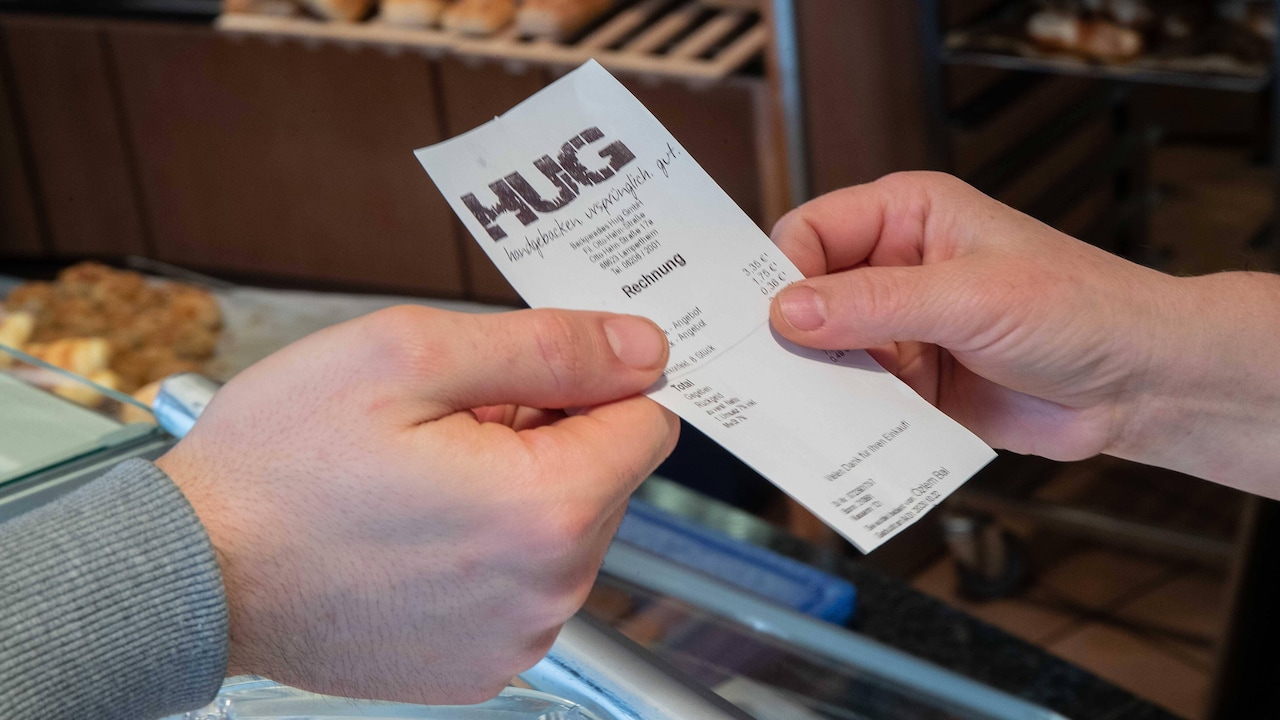
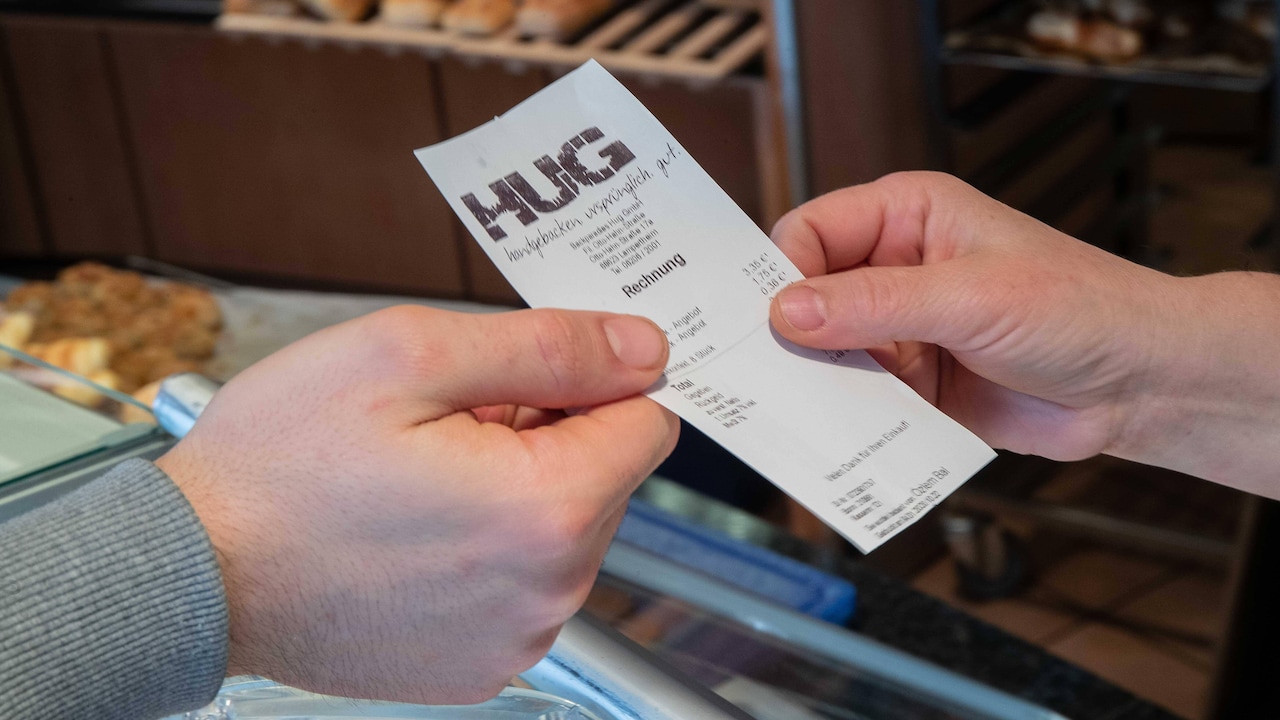
A clear warranty case. You dig through drawers for an hour, find the receipt, and it’s a blank white strip of Thermopapier (thermal paper). Completely faded. The retailer shrugs. Six hundred euros, gone. That’s one to two months of ETF contributions evaporated because you couldn’t be bothered to scan a piece of paper.
This is the silent wealth destroyer nobody talks about in the Finanzen (German finance) community. And it’s costing you way more than any TER ever will.
The €600 Lesson Most Germans Learn the Hard Way
Here’s what happened to one person in a recent discussion that hit close to home for many. Their washing machine, purchased for €600 just 22 months prior, developed a bearing defect. Textbook Gewährleistung (statutory warranty) case. German law gives you two years of seller liability for defects, and this was well within that window.
But without a legible receipt? You’re cooked.
The retailer has no obligation to honor your claim if you can’t prove you bought the product from them. And here’s the kicker: even if you have a bank statement showing a €600 debit to MediaMarkt or Saturn, many stores will still fight you. The bank statement doesn’t prove you bought that specific washing machine.
Many seasoned shoppers push back on this point, and they’re right to. Under German Gewährleistungsrecht (warranty law), the burden of proof shifts after six months. But even legal experts note that a bank statement plus your testimony can be sufficient. The problem? Most retailers will make your life exhausting. They’ll demand the original receipt, and you don’t have the time or energy for a legal battle over €600.
So you eat the loss. And the cycle continues with your next phone, your laptop, your coffee machine.
Why Your Receipt Management System Is Costing You a Fortune
Let’s do some math that hurts.
If you’re a typical German household, you probably own:
- A washing machine (€500, €800)
- A dryer (€400, €700)
- A refrigerator (€300, €800)
- A dishwasher (€400, €700)
- A laptop or PC (€800, €2,000)
- A smartphone (€400, €1,200)
- A TV (€500, €1,500)
- Various small appliances, tools, electronics
Total value? Easily €4,000, €8,000+. Within the two-year warranty window, statistics suggest roughly 5, 10% of electronics fail. That’s potentially €200, €800 in losses every couple of years just from products you could have replaced for free.
Now compare that to your ETF strategy. If you’re investing €500/month with a 7% annual return, that’s about €35/month in growth. A single lost €600 warranty claim wipes out nearly 18 months of market growth.
The hidden costs in ETF investing beyond fees already take a bite out of your returns. Why let poor receipt management take an even bigger chunk?
The Three Camps of German Receipt Management
Based on real behavior patterns, Germans fall into roughly three categories when it comes to tracking purchases. Where do you land?
Camp 1: The Chaos Theory Approach
You buy something expensive, put the receipt “somewhere safe”, and then pray when something breaks. You view defective products as “bad luck” and treat replacements as an unavoidable budget line item. This is the most expensive approach, and it’s surprisingly common among otherwise financially savvy people.
Camp 2: The Analog Ordnungsliebhaber (Order Lover)
You have a Leitz-Ordner (ring binder) or a specific drawer where receipts live. Maybe you even make photocopies of thermal paper receipts before they fade. This works, but it’s cumbersome. You’re leaving money on the table because you rarely actually check warranty expiration dates. The folder becomes a black hole of paper.
Camp 3: The Digital Native
You buy everything online whenever possible, because online retailers send PDF receipts directly to your email. You might use a scanner app or a self-hosted document management system like Paperless-ngx. Your receipts are searchable, backed up, and, crucially, you can actually find them when something breaks.
This third camp is where you want to be. Consumer protection agencies explicitly advise keeping receipts, purchase contracts, and warranty documents for at least two years. For tax-relevant purchases, they recommend four years.
The Digital Receipt Revolution Is Coming (And It’s About Time)

Germany’s Bonpflicht (receipt mandate) has been a source of frustration since 2020. It forced retailers to print a receipt for every transaction, regardless of amount. The result? Mountains of paper waste and Thermopapier (thermal paper) receipts that fade to invisibility within months.
But change is coming. By 2028, Germany plans to transition from mandatory paper receipts to digital ones by default. Customers who want paper can still request it, but the standard will be QR codes and email delivery. This is a win for everyone, less waste, easier storage, and searchable records.
Until then, you’re on your own. And the systems many retailers currently use are woefully inadequate.
The Practical Fix That Takes 10 Minutes
You don’t need to build a custom app or become a document management guru. Here’s a system that works:
- Buy online whenever possible. Amazon, Otto, and most German online retailers store your invoices indefinitely in your account. They’re searchable and never fade.
- For in-store purchases over €50, take a photo of the receipt immediately with your phone. Store it in a dedicated “Receipts” album or folder. Google Drive, iCloud, or a simple folder works.
- Use a scanning app. Apps like Genius Scan or Adobe Scan can take consistent, clean photos that OCR software can later search. Some people swear by dedicated document scanners like the Doxie or Fujitsu ScanSnap.
- Set a reminder. Most products fail between months 13, 24 of ownership. Set a calendar reminder 18 months after major purchases to review your receipts and check warranty status.
- For absolute peace of mind, some people have built their own warranty tracking systems, from spreadsheets to custom iOS apps that track expiration dates and generate ready-to-send complaint packages.
The Real Cost of Inaction
Let’s come back to that ETF comparison. If you’re investing €500 monthly with a 7% return, your annual growth is roughly €600. A single lost warranty claim wipes out an entire year of investment growth.
Now consider that the average German household likely has €3,000, €5,000 worth of goods within their warranty period at any given time. A 10% failure rate means €300, €500 in potential losses per cycle. That’s not an expense, that’s a preventable leak in your financial bucket.
And unlike market volatility or ETF fees, this is completely within your control.
The psychological tension between portfolio growth and lifestyle costs is real. You optimize every percentage point of your investments while hemorrhaging money through preventable gaps in your daily life.
Meanwhile, how low ETF fees like Vanguard’s 0.14% TER amplify the impact of spending leaks by making passive investing more efficient, which means every euro you lose to poor receipt management hurts even more in opportunity cost.
And if you’re still debating whether ETF returns or tangible assets like real estate win long-term, remember: neither wins if you’re throwing away money on preventable warranty losses.
Stop obsessing over 0.1% TER differences and start auditing your receipt management system. The returns from a 10-minute organization session will likely exceed your ETF gains for the next six months.
Take the photo. Set the reminder. Keep the digital copy.
Your future self, the one whose washing machine dies at month 21, will thank you.