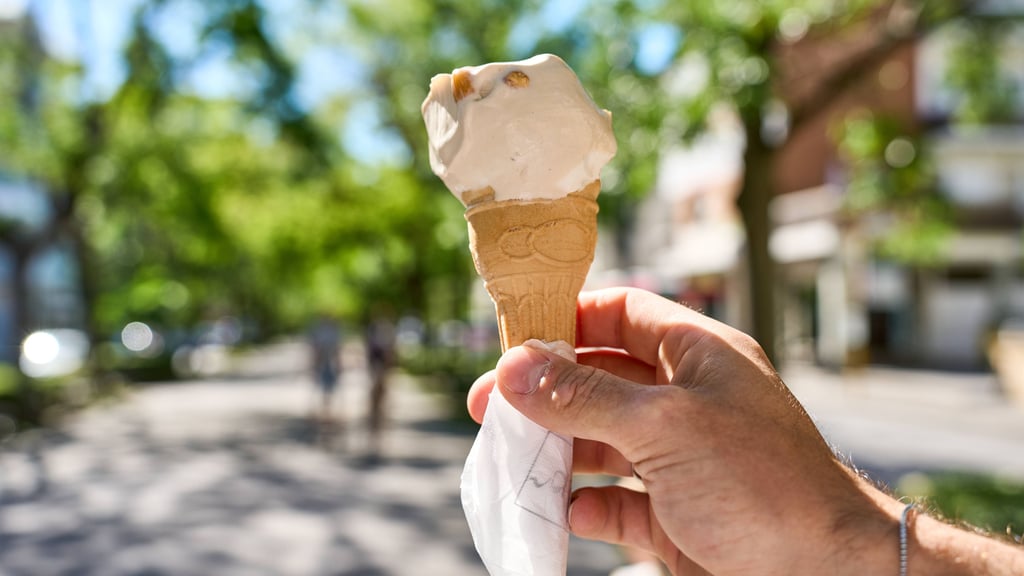
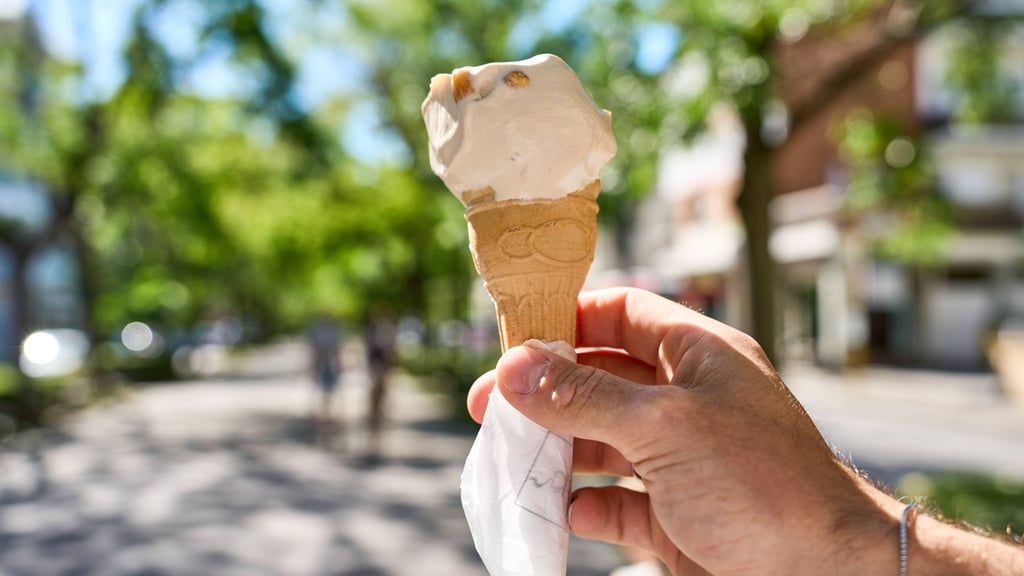
The moment has arrived. You’re walking through town on a warm day, the sun is beating down, and you decide to treat yourself to a classic Kugel Eis (scoop of ice cream). You hand over a crisp €2 coin, and the person behind the counter doesn’t even blink. Two euros… for one scoop.
This isn’t a hypothetical anymore. Welcome to Germany in 2026, where the humble ice cream cone has become the unlikely mascot for a nation’s inflation anxiety. And the question burning in everyone’s mind, from the Finanzen (Finance) subreddit dwellers to the weekend strollers in Munich, is simple: has Germany reached the tipping point where everyday pleasures have become an unaffordable luxury?
The €2 Market Has Been Breached
Let’s start with the ugly numbers. According to a recent survey, the average price for a single scoop of ice cream in Germany has climbed to €1.92, a nearly six percent jump from the year before. But averages lie. The real action is at the top end.
In Hamburg, for example, you can now expect to pay upwards of €2.60 at trendy spots like Luicella’s Ice Cream. Even the “cheap” places in the north have cracked the psychological €2 barrier. The Verband der italienischen Speiseeishersteller Uniteis (Association of Italian Ice Cream Makers) estimates that the nationwide price range for 2026 sits between €1.80 and €2.50, with hotspots like Sylt pushing the envelope to an eye-watering €2.83 per Kugel (scoop).
It’s not just the hipster joints. Traditional “Eiscafés” (Ice cream cafes) like Jacobs in Hamburg Nord have bumped their prices up to €1.90, citing the Mindestlohnerhöhung (minimum wage increase) and skyrocketing Rohstoffkosten (raw material costs). The Kakaopreis (cocoa price) alone has tripled in the last twelve months. That’s not inflation, that’s a chocolate-fueled assault on your summer joy.
The Great German Budgeting Dilemma
Here’s where it gets personal. When you see a €2 price tag on a single scoop, your brain goes into overdrive. You start running the numbers like a desperate CFO trying to save a failing company.
One very calm and rational analysis from the online finance community broke it down like this: “If I buy 3 scoops every two weeks during the warm half of the year, that’s about €78 per year. If I live another 50 years, I’m spending €3,900 on ice cream.” The conclusion? “That doesn’t change my life. I’d rather eat the ice cream.”
That’s a sane take. But then the devil’s advocate appears: “If you put that €6 per month into an ETF with 5% annual returns, after 50 years you’d have over €15,000.” And of course, the inevitable comeback: “Yes, and at 80 years old, that 15k will barely cover a week of Pflege (nursing care). Enjoy your ice cream.”
This is the quintessential German financial inner-monologue. It’s the perpetual war between the Sparbuch (savings book) mentality and the simple desire to enjoy one beautiful thing on a Sunday afternoon.
Why You’re Actually Seeing Inflation, Not Just Greed
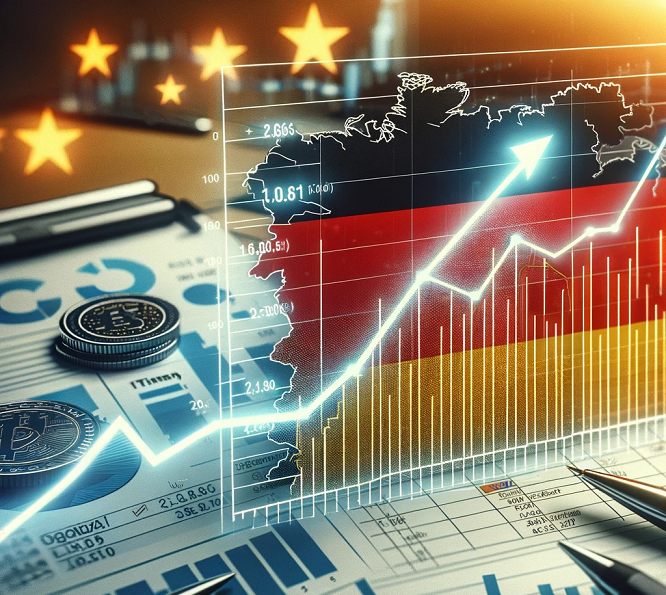
Before you accuse your local Eisdiele (ice cream parlor) of price gouging, look at what they’re actually dealing with. The operators aren’t just getting rich. The t-online report on Hamburg’s ice cream prices details a perfect storm:
- Lohnkosten (Labor costs): Up roughly 10% this year alone due to minimum wage hikes.
- Rohwarenkosten (Raw material costs): Up about 8% across the board. The aforementioned tripling of cocoa prices is a killer.
- Energiekosten (Energy costs): Despite a cooling headline inflation rate of 1.9% in February, the cost of running a freezer and an air-conditioned cafe hasn’t dropped. It’s still painfully high.
These aren’t luxury margins being padded, they are survival calculations. The owner of Eiscafé Jacobs summed it up perfectly: it’s the “Mindestlohnerhöhung und gestiegene Rohstoffkosten” (minimum wage increase and increased raw material costs). He had to raise the price by 10 cents just to keep the lights on.
The Frugal vs. The Fun: A Cultural Schism
The online debate around the €2 scoop reveals a deep divide in the German psyche.
On one side, you have the “Sparfüchse” (frugal foxes). They will tell you, with complete seriousness, that spending €2 on a ball of frozen, sweetened milk is an act of financial lunacy. They equate it to lighting money on fire.
On the other side, you have the advocates of “Lebensqualität” (quality of life). One commenter captured this perfectly: “There’s a difference between thrift and stinginess. Not treating yourself to an ice cream is the latter. A beautiful, free Sunday walk ending with a €2 ice cream? That’s just lovely.” This person gets it.
The data supports the “treat yourself” camp on a scale that even a hardcore Finanzler (finance person) has to respect. As another comment wryly noted: “The inflation on ice cream has been higher than 5% for the last 50 years. So eating it now is the better investment.” You literally cannot beat the market on ice cream. The best time to eat it was yesterday, the second best time is now.
The Broader Picture: Shrinkflation and Hidden Cuts
The ice cream price is a canary in the coal mine. It’s a highly visible, low-stakes purchase that forces you to confront your own relationship with money. But it’s not the only story.
The real inflation is hiding in plain sight. Since January 2026, new German laws have attempted to tackle Shrinkflation (reducing package sizes while keeping prices the same) by forcing retailers to label these “Mogelpackungen” (deceptive packaging) at the shelf for 60 days. But a more insidious trend is Skimpflation, where the quality of ingredients drops while the price and package size stay the same. That “vanilla” scoop might now have more sunflower oil and artificial flavoring than real vanilla bean. You’re paying the same for less real value.
This real-world budgeting reality hits hardest for those who are already stretched thin. When a single scoop costs more than a loaf of bread, it forces some tough questions about where the line between a necessity and a luxury lies.
When Do You Say “Nein”?
So, is the €2 ice cream a sign of inflation spiraling out of control? Yes, but not in the way you think.
It’s not a sign of impending hyperinflation. It’s a sign that the base level of costs in Germany has permanently shifted upward. The Mindestlohn (minimum wage) is higher. Cocoa is a global speculative asset. Energy isn’t cheap anymore. The ice cream cost is just the final, delicious reflection of this new economic reality.
The real tipping point is a personal one. It’s the moment you decide whether the €2 is worth the moment of pure, unadulterated joy it brings on a sunny day. For many, the answer is still a resounding yes. For others, it’s the final push into a “No-Buy” summer.
I know where I stand. I’d rather eat the ice cream and enjoy the sun than hoard my €2 in a Tagesgeldkonto (savings account) earning 1.9% while feeling miserable. But I also won’t pretend I didn’t just pay two whole euros for a single scoop. I’ll just eat it a little slower.