Let me paint you a picture that might feel uncomfortably familiar.
You’ve done everything right. You’ve saved €100,000, a number that sounds impressive when you say it out loud but feels terrifyingly small when you open a property listing. You’re a teacher, pulling in €3,000 net monthly. You’re a single parent, which means every decision carries double weight because there’s no safety net behind you.
And every listing within 40 kilometers of Vienna looks like it escaped from a renovation horror story, priced at €350,000, 400,000. The ones that look decent? They’re snapped up before you finish reading the description.
This isn’t a hypothetical scenario. It’s the exact situation a teacher shared recently, asking whether she should buy a fixer-upper near Vienna or invest in a smaller rental property instead. The responses were brutally honest. And honestly? They should be required reading for anyone eyeing the Austrian property market.
So let’s do the math, the honest kind that financial advisors don’t want to show you because it might burst your bubble.
The €350,000 Trap: What That Price Actually Buys You
Here’s the uncomfortable truth about the property market around Vienna: that €350,000, 400,000 range isn’t the bargain it appears on willhaben. It’s the Bermuda Triangle of Austrian real estate.
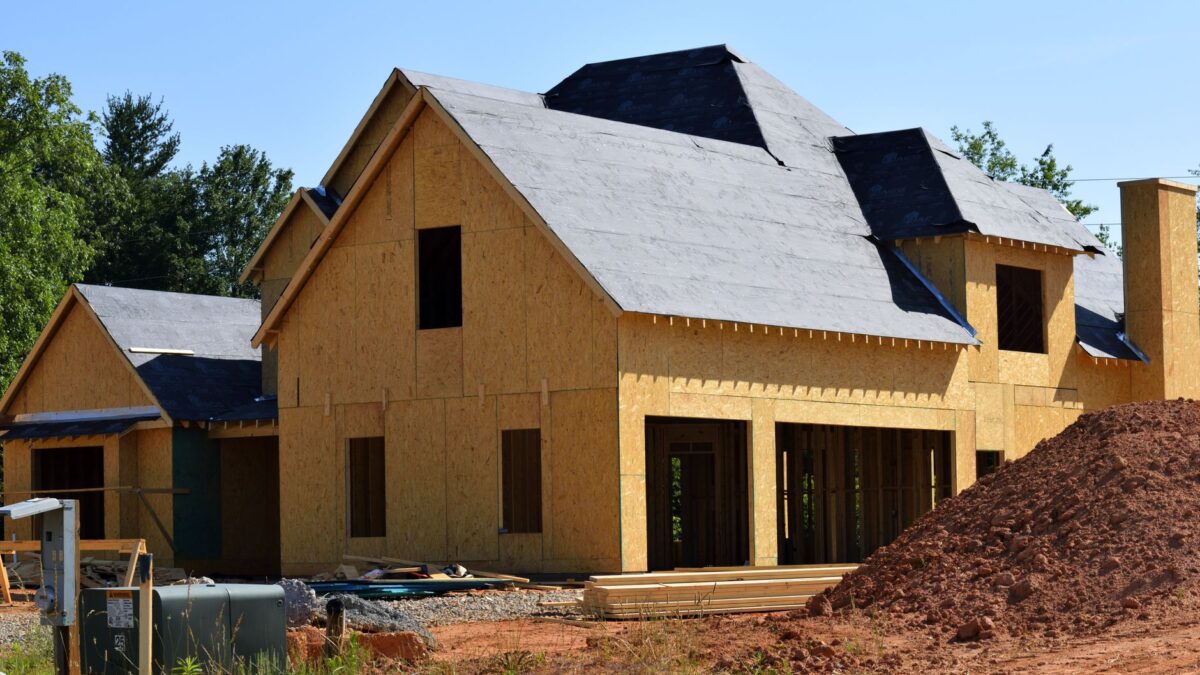
Properties in this price bracket tend to fall into one of two categories. Either they’ve been sitting on the market for months because something’s seriously wrong, or they need renovations that will eat your savings faster than a Viennese coffee house charges for a Melange. We’re not talking about fresh paint and new curtains. We’re talking about roofs, heating systems, and windows, the kind of repairs that routinely cost €150,000 or more.
A commenter in the real estate industry put it plainly: in that price range, you’re buying problems, not potential.
And here’s what nobody tells you about Austrian property purchase costs: the advertised price is barely half the story. Between the Grunderwerbsteuer (property transfer tax), Notar (notary) fees, Grundbuch (land register) entry, and Maklerprovision (broker commission), you’re looking at roughly 10, 15% on top of the purchase price. On a €400,000 house, that’s €40,000, 60,000 in costs before you own anything.
Your €100,000 suddenly doesn’t look so comfortable, does it?
The Real Numbers: Can Your Monthly Budget Handle This?
Let’s do some math that actually works with your teacher’s salary.
The impact of Austrian tax and social security policies on net income and saving capacity isn’t just about what you earn, it’s about what you keep. With €3,000 net monthly, your comfortable mortgage payment tops out around €900, 1,000 per month. That’s the classic rule: no more than one-third of your net income on housing.
Now run those numbers. For a €400,000 house, after your €100,000 down payment and €40,000+ in purchase costs, you’d need to finance about €340,000. With current Austrian interest rates hovering around 3.5, 3.9%, that’s roughly €1,500+ monthly, even before you account for the higher Betriebskosten (operating costs) that come with owning a house instead of renting.
That gap between your €1,000 comfort zone and the €1,500+ reality? That’s the over-leveraging trap. And it’s why the risks of over-borrowing for housing-related expenses should terrify anyone considering this route.
One mother with a garden apartment at Vienna’s edge shared her experience: even with a husband to help with maintenance, the work and costs are extreme. Her advice for someone going it alone? Don’t.
The Rental Property Gambit: Smarter or Just Complicated?
The second option, buying a €260,000, 280,000 apartment in Vienna to rent out while remaining a tenant yourself, looks clever on paper.
But here’s where Austrian real estate gets spicy.
First, your price estimate is optimistic. Realistic prices for a decent Vienna apartment start higher than you think, and properties that promise rental income usually come with strings attached. You’ll need to verify the Zustand (condition), check the Rücklagen (reserve funds) of the Hausverwaltung (property management), and, crucially, calculate your actual yield after taxes, maintenance, and potential Leerstand (vacancy) periods.
Let’s be realistic about the math. A €280,000 apartment might rent for €1,200 monthly. After management fees, maintenance reserves, property tax, and income tax on rental earnings, you’re looking at €450, 550 net monthly. Against your own housing costs, that’s helpful but hardly transformative.
Meanwhile, you’re still paying rent on your own place. You haven’t escaped the rental market, you’ve just added a second job managing a property.
Why the Dream Persists and What’s Actually Changing
A recent UniCredit Bank Austria housing study found that 76% of Austrians still dream of owning property. But here’s the twist: 79% say high prices are the biggest barrier, and 55% point to insufficient equity. Only 26% think homeownership is actually achievable right now.
The same study reveals why this dream dies hard: 50% of respondents associate ownership with independence and freedom, 46% want protection from rising rents, and 37% see property as retirement security.
Those are all valid goals. The problem is that Austrian property prices have made them increasingly unattainable for single-income households, especially when you’re playing the game with €100,000.
The Path Forward: Renting, Investing, and Playing the Long Game
Here’s the contrarian take that might actually save your financial future: owning a house isn’t the only path to security.
The importance of having an emergency fund before making large financial commitments like homeownership applies double when you’re a single parent. That €100,000 you’ve saved? It’s not just a down payment, it’s your safety net, your children’s stability buffer, and your retirement foundation all wrapped into one. Plowing it all into a property that needs renovations and eats your monthly budget isn’t financial planning, it’s a gamble with odds that aren’t in your favor.
Vienna’s rental market, particularly the MRG-regulated Altbau (old building) segment, offers something that German-speaking Europe increasingly can’t: affordable, stable rents with strong tenant protections. Renting isn’t failure, it’s strategic positioning.
And here’s the move that financial commentators increasingly recommend: take that €100,000 and put it to work. The comparison to Switzerland’s housing affordability challenges in high-cost country markets shows that beating your head against property prices isn’t the only wealth-building strategy.
An All-World ETF costs nothing to manage, requires no weekend renovation work, and, unlike a house, doesn’t demand your weekends or drain your emergency fund when the heating system dies. The responsible use of savings doesn’t change when the amount grows to €100,000: liquidity gives you options that a house mortgage takes away.
The Verdict: Dream Realistically
Is €100,000 enough for a house near Vienna? Technically, for a €350,000 starter house with renovations, yes. Practically, for a single-income household with one parent and no financial partner, it’s a fast path to the kind of financial stress that ruins lives, not just budgets.
That’s not defeat, it’s strategic patience. Austrian property prices have cooled slightly from their peak, incomes have risen, and the balancing act between homeownership dreams and retirement security requires treating both as long games, not sprint-to-the-mortgage races.
The teacher who asked this question got the most valuable advice she could receive: don’t rush into ownership because you feel you should. Vienna’s rental market offers stability. Your savings offer security. And in today’s market, that security is worth more than a fixer-upper with a garden you’ll never have time to maintain.
Sometimes the smartest move isn’t buying a house, it’s the freedom to wait for the right one.