
It always starts the same way: a family dinner, a full tank receipt, and someone’s uncle declaring the internal combustion engine dead. The debate over whether to lease an E-car or keep nursing your old gas car has become Germany’s favorite kitchen table battleground, right up there with rent control and who ate the last Leberkäse (meatloaf).
The scenario is painfully familiar. Someone’s friend inherited a 10-year-old Skoda Citigo with only 33,000 kilometers on the clock, free of charge. She’s got €12,000 sitting in savings, drives about 6,000 km a year, and just forked over €800 for a new battery and tires. Next month, another €800 for the TÜV (vehicle inspection) and service. Now the family is split: her mother says “drive it until it dies”, her uncle says “lease an E-Auto, you’ll save money!”
Who’s right? The answer, frustratingly, is a bit of both, but the math leans heavily in one direction if you’re honest about your driving habits.
The Sunk-Cost Fallacy and Why Your Mother Might Be Right
Let’s start with the uncomfortable truth: your old car is not a financial trap. The German banking system operates with the same efficiency as a Deutsche Bahn train, usually impeccable, until there’s construction on the line. And that old car, despite its age, is remarkably reliable.
At 6,000 km a year with moderate fuel consumption (let’s say 6.5 L/100km), you’re looking at roughly 390 liters of petrol annually. At the scary price of €2.80 per liter, that’s just over €1,090 a year. Even if prices spike to a nightmarish €4/L, a scenario that has some expats stocking canned goods and flashlights, you’d still only spend about €2,400 annually on fuel. That’s not a budget-breaker, that’s a rounding error compared to a leasing rate.
The maintenance costs of a mere 10-year-old car with only 33,000 km are also vastly overstated. The voices in online forums arguing “repairs will be manageable” are backed by real-world experience. A vehicle with that kind of mileage is barely broken in. The €800 battery-and-tires replacement? That’s an outlier, not the norm. And remember: an electric car also needs new tires, inspections, and its own service appointments. The German car market’s price dynamics haven’t made owning a car cheaper, but they also haven’t made a fully paid-off vehicle more expensive.
The Leasing Mirage: Those Tempting Under-€200 Deals
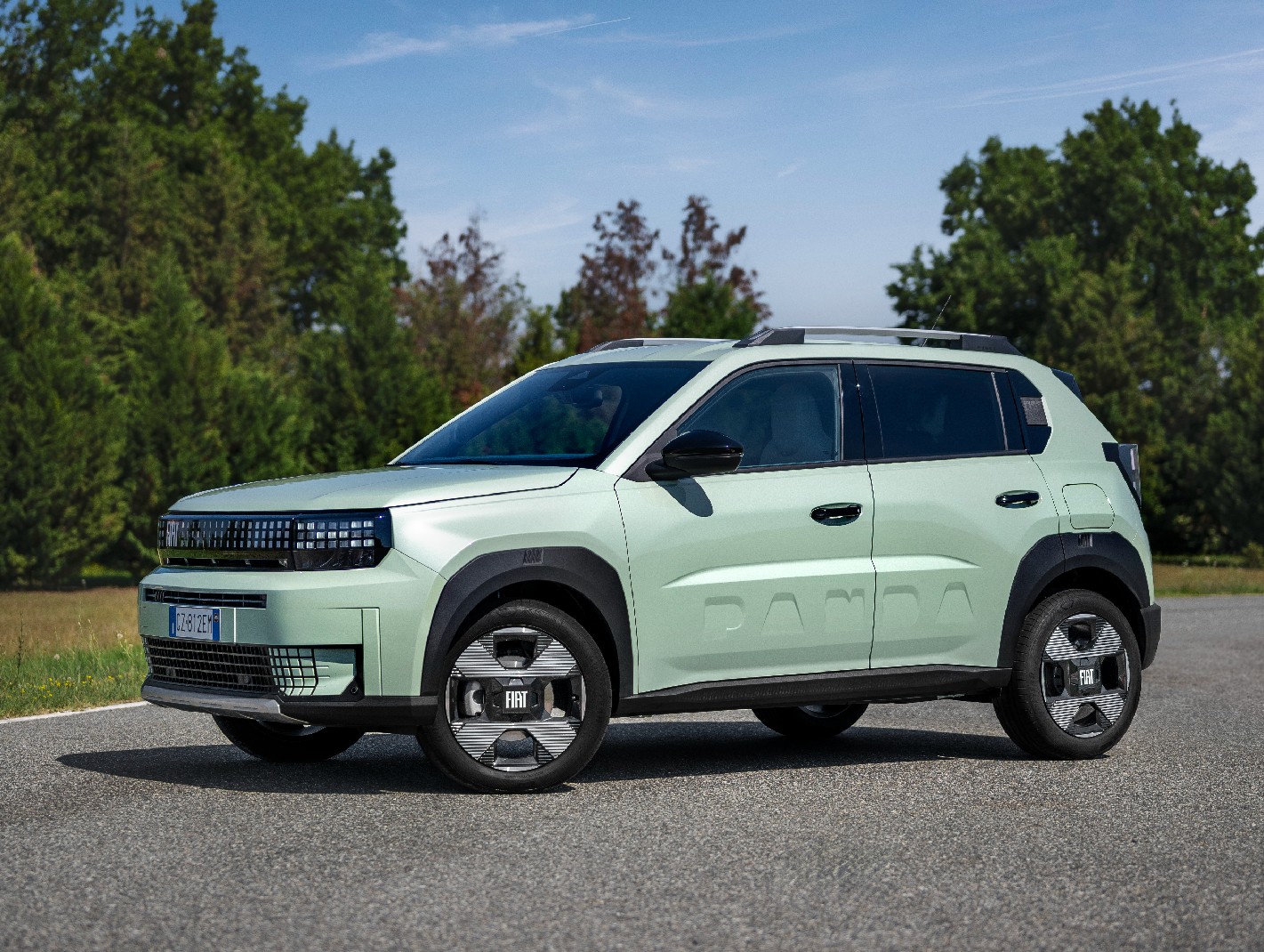
Sure, you can find realistic cost of leasing an EV in Germany through subsidies and loopholes. The September 2026 market is flooded with an unprecedented wave of sub-€200 monthly leasing rates. Want a Fiat Grande Panda Elektro for €107 a month? Or perhaps a Leapmotor T03 for just €59 monthly? These numbers look like the kind of deal you’d find at an Italian outlet mall, too good to pass up.
But here’s where the German financial reality kicks in with the subtlety of a Bavarian beer hall oompah band. That Fiat deal requires a €3,000 Anzahlung (down payment) and comes with a government subsidy you have to apply for yourself. That Leapmotor deal factors in a €4,000 state incentive that’s tied to income limits, and you need to hold the lease for at least 36 months to qualify.
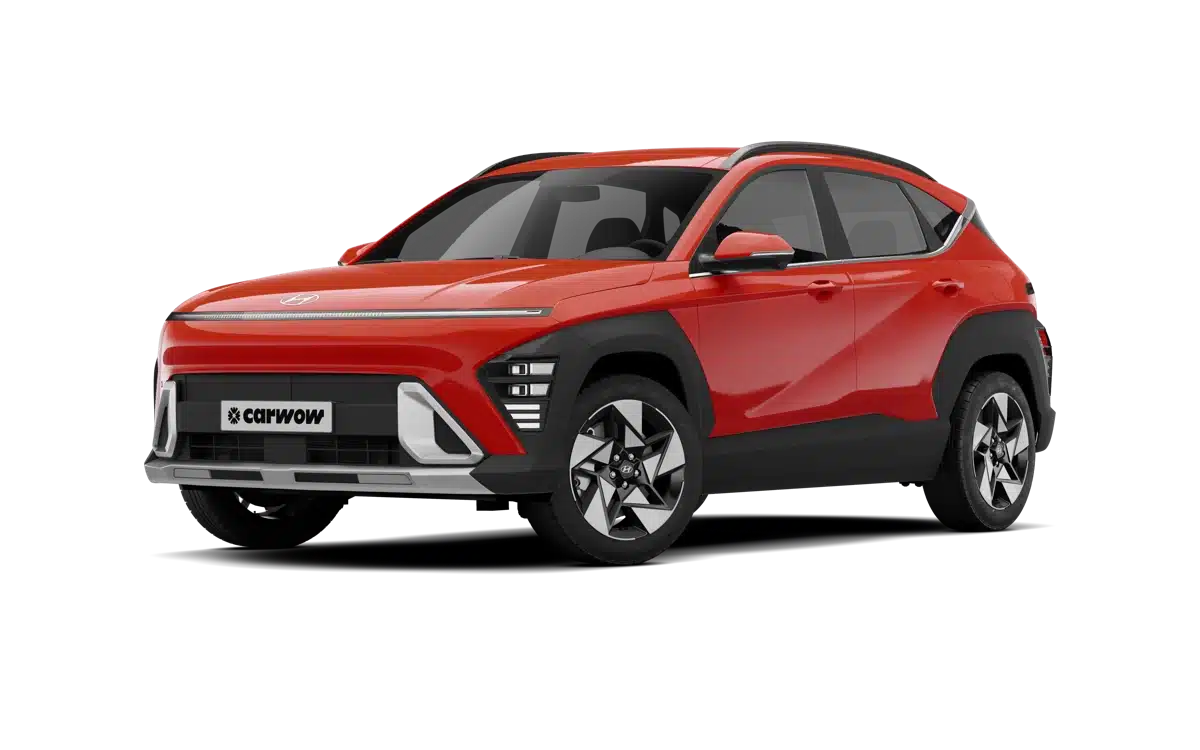
The real calculation looks like this: even with those low rates, you’re committing to a fixed monthly outflow. A Hyundai Inster at €197 monthly over 24 months is €4,728, plus one-time Überführungskosten (transfer fees) of €1,498 and a hefty Vollkasko (comprehensive insurance) premium. Most of these advertised deals also include only 5,000 km per year of driving allowance, which actually matches your current usage, but you need to be brutally honest: will it stay that way?
The Opportunity Cost Game Nobody Talks About
Now we’re getting into the spicy portion of the analysis. Your friend’s €12,000 in savings is sitting in a German bank account, probably earning whatever paltry interest the Sparkasse (Savings Bank) deigns to offer. Meanwhile, the everyday spending leaks that destroy returns are creeping in.
If you invest that €12,000 in a simple global ETF with a conservative 5% annual return, that’s €600 a year. The difference in running costs between the old Citigo and a leased E-car at 6,000 km annually is, at best, around €600, and that’s using optimistic assumptions about free charging infrastructure. In other words, even if the E-car wins on energy costs, your opportunity cost from liquidating or reallocating your savings eliminates the advantage.
Here’s the kicker: the best-case savings from switching to an EV at your current driving intensity would barely cover the difference in insurance premiums. Germany’s Kfz-Versicherung (vehicle insurance) sees electric vehicles as higher-risk, particularly leased ones, which demand full comprehensive coverage to protect the leasing company’s asset. Your old Citigo can get by with Haftpflicht (liability) insurance for a fraction of the cost.
When Does the E-Car Lease Actually Make Sense?
I’m not here to tell you to cling to your combustion engine like a precious family relic. Germany’s company car tax loophole exists for a reason, and there are legitimate scenarios where leasing an E-car isn’t just reasonable, it’s financially brilliant.
If you drive 20,000+ km a year, the math flips. At that utilization, electricity at €0.30-0.50/kWh versus petrol at €2.80/L creates enormous annual savings. When you’re spending €3,000+ a year on fuel alone, a €200 monthly lease payment starts looking like genius-level accounting.
Also, if you can charge at home with a Wallbox (home charging station) and offset it with solar panels or cheap night tariffs, your effective energy cost per kilometer drops drastically. Under those conditions, an EV is not just a lifestyle upgrade but a genuine cost reduction. The sad reality is that most German apartment dwellers don’t have this luxury, they’re fighting over public charging stations like it’s the last Palatschinke (pancake) at a Viennese brunch.
The Verdict? Numbers Don’t Lie (Even If Uncles Do)
For our original scenario, low mileage, paid-off car, limited charging infrastructure, the answer is clear: keep the old car. Even if petrol prices climb to apocalyptic levels, the annual fuel bill with 6,000 km is manageable. The E-car lease introduces fixed monthly costs that don’t disappear when the car sits in the parking lot. Add in higher insurance, potential damage fees on lease return, and the psychological toll of constantly watching your odometer to stay within your allowance, and any financial advantage evaporates faster than Diesel at the Autobahn.
The decision changes completely for high-mileage drivers, home chargers with solar access, or people who simply want the newest safety tech and don’t mind paying for it. The new E-Auto Förderung (subsidy) up to €6,000 makes leasing genuinely attractive, just ask anyone who’s run the numbers with a real-world driving pattern.
So before you let your uncle’s confident assertions about the EV utopia convince you, or your mother’s frugality turn you into a stubborn penny-pincher, do the math. Not with the dealership’s calculator, with your actual driving patterns, your insurance options, and the honest truth about how many kilometers you’ll really drive next year.
The smartest financial move isn’t always the most exciting one. Sometimes, it’s keeping the car you already own, letting your savings work for you, and enjoying the freedom of not having a monthly leasing payment hovering over your head like an impending Amtliche Bekanntmachung (official announcement). That’s the German way, efficient, sensible, and unglamorous as hell.