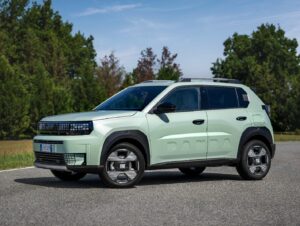

You’re scrolling through your phone at 11 PM, trying to make sense of your mounting bills, when you stumble across a Tagesschau commentator scolding Germany for its “Vollkasko-Mentalität” (full coverage mentality). The nerve, you think. I’ve been paying €950 a year for my BMW’s Vollkasko (full coverage insurance), and now some Berlin pundit wants me to feel guilty about it?
Welcome to Germany’s most under-the-radar class war, where your car insurance choice has become a political statement. The debate isn’t just about money, it’s about whether you’re a responsible citizen or an entitled drain on the system. And in 2026, with inflation chewing through your disposable income and the government offering crisis bonuses that barely cover a month’s groceries, that €950 stings differently than it did three years ago.
The Reddit Rage That Started It All
The comment sections are where this debate gets raw. When Hans-Joachim Vieweger suggested Germans need more “Eigenverantwortung” (personal responsibility) and less reliance on state support, the internet exploded. The sentiment among many international residents is that German bureaucracy ranks among the most confusing systems they’ve encountered, yet they’re expected to navigate it flawlessly while absorbing every financial shock.
One particularly frustrated voice captured the mood: “Am Ende stachelt man die unteren 80% gegeneinander auf, hält die folgenden 15% ruhig damit die oberen 5% fett und rund werden.” (In the end, you pit the lower 80% against each other, keep the next 15% quiet so the top 5% can get fat and round.) This isn’t just about insurance anymore, it’s about who gets protected and who gets blamed.
The Real Cost in 2026: Let’s Talk Numbers
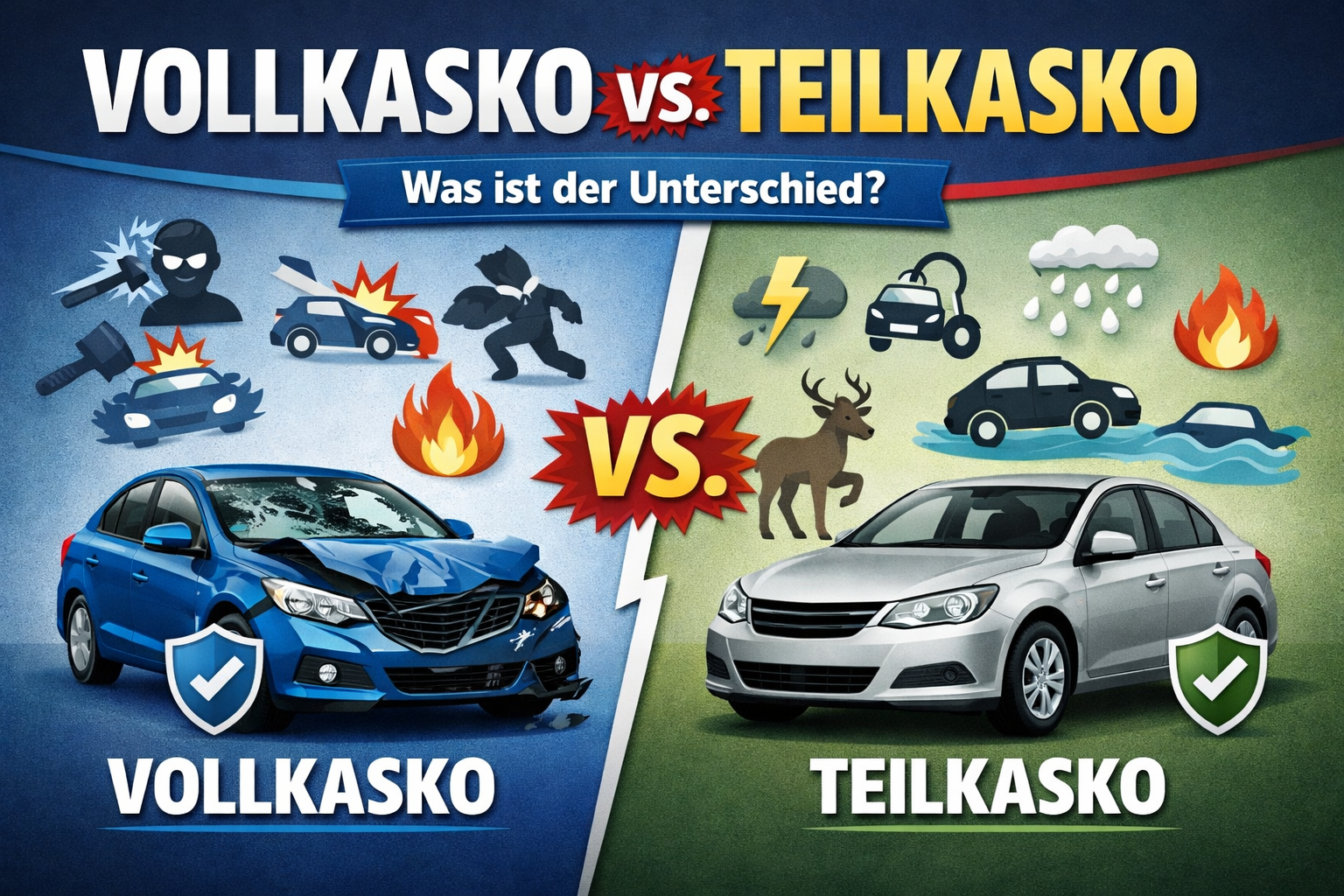
Before we dive into the ideology, let’s get brutally specific about what Vollkasko actually costs you right now. According to current market data, Vollkasko adds €400-1,200 per year on top of your mandatory Haftpflicht (liability insurance). For a typical VW Golf driver in Berlin with a decent Schadenfreiheitsklasse (no-claims class), you’re looking at roughly €709 annually for full coverage. Drive a Tesla Model 3? That jumps to €1,050. BMW 3-series? €953.
Vollkasko Cost
Tesla Model 3: €1,050
BMW 3-Series: €953
Avg. Golf: €709
Teilkasko Cost
Extra per Year: €100-300
Coverage: Theft, Hail, Glass

Compare that to Teilkasko (partial coverage), which only runs €100-300 extra per year. The difference isn’t pocket change, it’s the cost of a weekend trip to Copenhagen, three months of your BVG subscription, or that dental work you’ve been putting off.
The math gets more painful when you factor in that the average Haftpflichtschaden (liability damage) costs around €4,600, according to the Gesamtverband der Deutschen Versicherungswirtschaft (GDV). Sounds scary, right? But here’s the kicker: that’s what you pay other people when you cause damage. Your Vollkasko protects your car, not your victims.
When Vollkasko Makes Sense (And When It’s Just Fear Tax)
Here’s where I get practical, not political. Vollkasko isn’t inherently stupid, it’s just often misapplied. The rule of thumb from German insurance experts is clear: if your annual Vollkasko premium exceeds 10% of your car’s current market value, you’re overpaying for protection.
Let that sink in. If your eight-year-old Golf is worth €6,000 on the market, but you’re paying €650/year for Vollkasko, you’re essentially buying your car again every nine years whether it gets damaged or not. That’s not insurance, that’s a forced savings plan with terrible returns.
New Cars
Under 3 years or vehicles over €15,000
Financed Vehicles
Your bank will demand it anyway
High-Risk Profiles
Berlin streets or 20k+ km annually
For everyone else? Teilkasko covers the expensive surprises: theft, hail damage (increasingly common with Germany’s weather going haywire), glass breakage, and that suicidal Reh (deer) that jumps out on the Autobahn at dusk.
The Government’s Crisis Bonus: A Drop in the Insurance Bucket
The coalition’s planned €1,000 steuerfreier Krisenbonus (tax-free crisis bonus) for employees sounds generous, until you do the math. That bonus, financed by raising tobacco tax, might cover your Vollkasko for one year. Maybe. But it does nothing to address why you’re paying so much in the first place.
What’s particularly galling is how this bonus mirrors the Vollkasko debate itself. Experts warn that lower-income workers, those in Gastgewerbe (hospitality), retail, construction, are least likely to receive it. The same people who can least afford a €1,000 unexpected repair bill are the ones being told to show more “Eigenverantwortung” while watching the well-off get their premiums subsidized through company car schemes and tax deductions.
The Hidden Factors That Jack Up Your Premium
Your Vollkasko cost isn’t just about your car’s value. It’s a complex equation that feels designed to punish you for living in the wrong place and being the wrong age.
Regionalklasse (Regional Class)
Living in Berlin’s 10-12 class can cost you 30% more than someone in rural Brandenburg’s class 2-4. Your insurance company essentially charges you a city stress tax.
Typklasse (Vehicle Type Class)
That Tesla isn’t just expensive to buy, it’s expensive to insure because repair costs are astronomical. Aluminum body panels and battery packs mean even minor fender-benders can total €8,000.
Schadenfreiheitsklasse (No-Claims Class)
If you’re a Fahranfänger (new driver) starting at SF½, you’re paying 140% of the base rate. But here’s the kicker: one at-fault accident can drop you from SF20 (20% rate) to SF9 (50% rate) in the Haftpflicht, costing you hundreds extra for years. The system rewards risk avoidance, but punishes mistakes so severely that it encourages people to hide minor damages.
The Self-Insurance Alternative: Building Your Own Safety Net
Here’s the radical thought that makes German insurance brokers clutch their pearls: what if you self-insure the difference? Instead of paying €600 extra for Vollkasko, you put that into a dedicated “car disaster” ETF-Sparplan (savings plan). After three years, you’ve got €1,800 plus returns. That’s enough to cover most Teilkasko claims you’d actually file.
The math is even more compelling if you’re a Vielfahrer (high-mileage driver) with a good SF-Klasse. Your risk of a self-caused accident is higher, but your ability to absorb a €2,000 repair is also better if you’ve been banking the premium difference.
This approach requires discipline, something the German insurance system is designed to enforce through fear. But in an inflationary environment where every euro counts, that discipline pays better than the insurance company’s overhead and profit margin.
The Political Undertone: Why This Debate Is Really About Social Contracts
The “Vollkasko-Mentalität” criticism isn’t really about car insurance, it’s about the broader expectation that systems should protect individuals from catastrophic loss. When Vieweger writes that “Eigenverantwortung” means “sprit sparen, wo möglich lieber öffentlich fahren”, he’s not just talking about driving habits. He’s arguing that personal financial resilience should replace collective risk pooling.
But here’s the thing: Germany’s entire social market economy is built on the opposite principle. Your Krankenversicherung (health insurance), Rentenversicherung (pension insurance), and Arbeitslosenversicherung (unemployment insurance) are all mandatory Vollkasko for life. The car insurance debate is just where the ideology becomes visible, and where people can opt out.
The controversy reveals a split in German society. The top 15% who’ve benefited from the status quo want to preserve it, while the bottom 80% are being told to fight each other for scraps. As one commenter put it: “Wir sind der Schutzwall der wirklich reichen.” (We are the protective wall for the truly rich.)
Practical Decision Framework for 2026
Enough theory. Here’s how to decide right now:
Run the 10% test
What’s your car’s market value? (Check mobile.de, not your heart). What’s your Vollkasko quote? If the annual premium > 10% of value, drop it.
Assess your real risk
Do you park on the street in Friedrichshain where mirrors get snapped off weekly? Do you drive 30,000 km yearly for work? Is your car financed? Yes to any = Vollkasko probably worth it.
Check your cash reserves
Could you replace your car tomorrow if it got totaled? If not, Vollkasko is your bridge to financial stability, just don’t confuse it with wealth building.
Calculate the opportunity cost
That €600/year could be €1,800 in three years invested conservatively. What’s your track record with emergency funds? Be honest.
Shop the comparison sites: Use autoversicherung24.de or the FAZ Kaufkompass comparison. The difference between HUK24 Classic and Sparkassen Direktversicherung AutoPremium can be €150/year for identical coverage. But read the fine print: some require Werkstattbindung (workshop binding), which is fine until your favorite Kiez (neighborhood) garage isn’t on the list.
The Bottom Line: Insurance Is a Tool, Not a Moral Failing
The “Vollkasko-Mentalität” debate wants to shame you for wanting protection. But wanting to sleep at night without worrying about a €5,000 repair bill doesn’t make you irresponsible, it makes you human.
The real question isn’t whether Vollkasko is good or bad. It’s whether you’re paying for protection you actually need, or for peace of mind you could achieve cheaper through self-insurance and better financial planning.
In 2026’s cost-of-living crisis, that distinction matters more than ever. The €600 you’re overpaying on a car worth less than your insurance premiums over five years is €600 that could cover your unexpected dental work, buffer you against net pay restructuring, or help you escape the rental trap that’s eating your wealth.
Germany’s insurance system, like its Deutsche Bahn, runs with impressive efficiency, until there’s construction on the line. Right now, the line is blocked by inflation, and that “reliable” Vollkasko premium is looking more like a luxury ticket on a delayed train.
The most German thing you can do isn’t blindly paying for full coverage. It’s running the numbers, understanding the system, and making a rational choice that fits your actual risk profile, not the one insurance companies scare you into buying.
Your car is a tool. Your insurance should be too. Treat it like one.