
The €348/Month Trap: Why Your Old Audi Is Secretly a Luxury Car
You’re cruising down the A9 toward Munich, your 2004 Audi A4 purring at 408,000 km, and you feel smug. You paid €1,300 for this beast. Your neighbor just dropped €45,000 on a new VW. Who’s the financial genius now?
Then you do the math. Not the “I’ll just check my bank statements” math, the real kind, where you account for every cent over 55 months and 100,000 km. The number that emerges? €348 per month. That’s not a typo. That’s what one German driver actually spent, and his story reveals why old cars in Germany are financial time bombs wrapped in rust and nostalgia.
The 408,000 km Reality Check
Let’s break down what HaehnchenCurryLover (yes, that’s his username, and no, we’re not on Reddit) actually spent on his Audi A4 B6 1.9 TDI:
Purchase price
€1,300
Repairs (parts only)
€4,200
Fixed costs
€16,157
Total Cost
€21,657
Minus insurance payout after deer accident: -€2,500
Final damage: €19,157 over 55 months
That works out to €348 monthly. For context, that’s more than a FINN car subscription for a brand-new Dacia Spring Electric (€189/month) and creeping toward a Toyota Yaris (€229/month). But here’s the kicker: those subscription prices include insurance, TÜV (Technical Inspection Association), taxes, and maintenance. His €348? That’s just the beginning.
The DIY Illusion That Breaks the Math
Notice something critical: €4,200 in repairs represents only material costs. HaehnchenCurryLover trained as a Kfz-Mechatroniker (automotive mechatronics technician). He has the tools, the workshop access, and the expertise. For you, sitting in your Berlin apartment with a €9.99 screwdriver set from Amazon? The math collapses completely.
The Professional Repair Multiplier: 2x to 5x
Commenters in the thread quickly pointed out the real multiplier. One user’s Ford Fiesta needed a timing belt change. Ford wanted €3,000. Independent shops refused, they didn’t have the specialized tools. ATU turned them away. They sold the car instead.
The Audi’s timing belt replacement? €280 in parts. At a German workshop, that’s easily €1,200-€1,500. The cylinder head gasket? €70 in parts, but the labor adds another €800-€1,200. Multiply every repair line item by these factors, and suddenly your €348/month Audi becomes a €600-€800/month money pit.
German Cost Drivers That Destroy Your Budget
German bureaucracy doesn’t care about your DIY skills. The system extracts its pound of flesh regardless:
TÜV: The Biennial Extortion
Three inspections over 55 months cost €525. That’s €165-€185 a pop, and that’s before the inspector finds the rust on your wheel arches, the leaking shocks, or the emissions issue that’ll cost €800 to fix. Fail once, and you’re in a cycle of re-inspections, temporary plates, and mounting costs.
Kfz-Versicherung: The Silent Killer
€3,850 over 55 months at SF 5-11 (claims-free class). That’s €70/month for partial coverage only. Newer cars with better safety ratings can get full coverage for less. Since 2020, car insurance costs have jumped 63% according to the Statistisches Bundesamt (Federal Statistical Office). Your old car’s higher risk profile means you’re paying premium rates for minimal protection.
Kfz-Steuer: The Diesel Penalty
€293/year for a 2004 diesel. That’s €24.40/month that never goes away. Meanwhile, electric cars enjoy ten years of tax exemption. The environmental bonus flips the script on what’s “cheap.”
Fuel: The Iran War Surcharge
€10,440 in diesel over 100,000 km at 5.8L/100km. With diesel prices up 29.7% year-over-year due to Middle East conflicts, that same commute now costs significantly more. The ADAC calculates that at current prices, every 100 km costs €9-11 in fuel alone.
When the Math Becomes Financial Suicide
Here’s where it gets spicy. HaehnchenCurryLover estimates he invested 150 hours of labor. At a typical workshop rate of €120/hour, that’s €18,000 in unpaid work. Even at a cash-in-hand rate of €30/hour, it’s €4,500. Add that to his €19,157, and the real cost balloons to €23,657-€37,657.
That’s €430-€685 per month. For a car with no warranty, no roadside assistance, and a deer waiting around every Bavarian curve to total it.
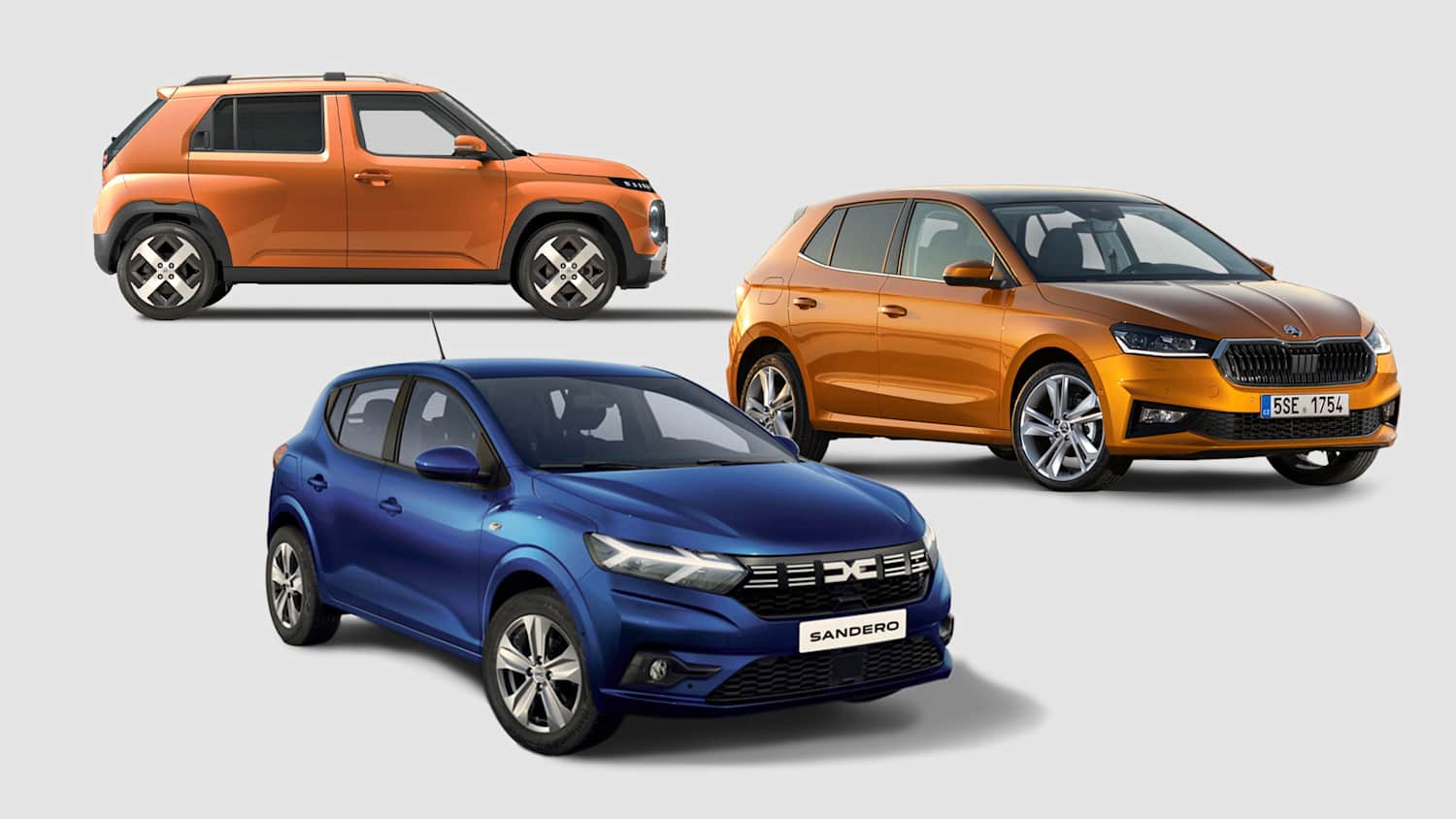
The ADAC Autokosten-Check reveals the Dacia Sandero LPG costs just €0.28/km over five years. The VW Polo? €0.31/km. Even a new electric Hyundai Inster runs €0.35/km including depreciation.
Your old Audi? At €348/month with 1,818 km/month average, that’s €0.19/km, but only if you value your labor at zero and ignore the catastrophic failure risk. Factor in real repair costs, and you’re at €0.35-€0.45/km, buying you nothing but stress and rust.
The Breaking Point: When to Pull the Plug
Most German drivers ditch their cars at 250,000 km for a reason. Beyond that, you’re not driving a vehicle, you’re managing a chronic condition. Every rattle is a potential €1,000 bill. Every TÜV appointment is a potential death sentence.
The math only works if:
- You’re a certified mechanic with free workshop access
- Your time is worth less than €10/hour
- You enjoy gambling with your mobility
- You have a second car for when (not if) this one fails
Otherwise, you’re trapped in avoiding lifestyle inflation when purchasing assets that aren’t actually assets, they’re liabilities with sentiment.
Cash Flow vs. Balance Sheet Thinking
This is where managing cash flow for major expenses becomes critical. Your old car doesn’t just cost €348/month, it costs unpredictable €800 bursts that destroy your budget. A new car subscription or lease spreads costs evenly. You trade variable nightmares for fixed peace of mind.
The German saying “Kaufst du billig, kaufst du zweimal” (buy cheap, buy twice) applies perfectly. But with cars, it’s more like “Kaufst du alt, zahlst du endlos” (buy old, pay endlessly).
The Hidden Cost Ecosystem
Like understanding hidden costs beyond surface prices, car ownership reveals how German capitalism extracts value. The €1,300 purchase price is a loss leader. The real business model is the €16,157 in fixed costs and the psychological trap of sunk cost fallacy.
You’ve already spent €8,000 on repairs, so why stop now? That’s the logic that keeps Germans pouring money into 20-year-old Volkswagens while their neighbors drive new Dacias for less.
Final Verdict: The 250,000 km Rule
If your car has more than 250,000 km and you’re not a mechanic, sell it. Yesterday. The €348/month figure is a fantasy that assumes perfection. Reality is €500-€700/month with stress included.
Dacia Spring Electric
€189/month, zero emissions, ten years no tax
Toyota Yaris Hybrid
€229/month, bulletproof reliability
Used Hyundai i10
€7,500 cash, €130/month estimated running costs
Your old Audi isn’t a car. It’s a hobby that occasionally gets you to work. And hobbies belong in the budget line after savings, rent, and food, not disguised as “transportation.”
The math never lies. But in Germany, old cars make you lie to yourself.