

You’re thirty, sitting somewhere between Berlin and Munich with €75,000 parked in a Welt-ETF (World ETF), and you just ran the projections for the fifth time this month. Even tripling that stack won’t buy you freedom here. No inheritance is coming. No partner is splitting the rent. And every morning that Bürojob (office job) feels more like a sentence than a salary. The instinct to pack a bag for Southeast Asia isn’t lazy, it’s mathematically rational. But before you burn your German bridges and declare yourself a digital nomad, you need to separate the Instagram fantasy from the brutal arithmetic. This is the self-test German millennials are quietly running in spreadsheet tabs across the country.

The Spreadsheet Existential Crisis
You’re not burned out because you’re poor. You’re burned out because the math feels rigged. Germany’s system rewards Erbe (inheritance), not hustle. You built €75,000 of Vermögen (net worth) in five years, a genuinely impressive feat, but then you looked at the endpoint. At €2,000 a month into an ETF-Sparplan (ETF savings plan), you might hit €300,000 by your mid-thirties. In the daydreams, that sounds like liberation. In Germany? It barely covers a mediocre flat and a decade of rising Warmmiete (rent including utilities). Many people in your exact income bracket feel this exact squeeze, stuck between respectability and actual freedom. Einordnung des eigenen Gehalts in die deutsche Mittelklasse-Skala
The prevailing sentiment in German finance circles right now is crystal clear: without family money, the traditional path feels like a treadmill with a better display. You save, you invest, you watch the Depot (brokerage account) grow, and yet the finish line keeps backing away. It’s not a spending problem. It’s a structural problem dressed up as a personal failure.
Why Your Portfolio Feels Like a Prison
There’s a name for this nausea: the Coast-FIRE paradox. You have precisely enough money to survive a layoff, but not enough to tell your boss to get lost forever. The result is a peculiarly German anxiety, being trapped in a well-paid job because quitting means throwing away the only safety net you’ve ever built. It’s worse than having nothing, you have just enough to fear losing it. Das Coast-FIRE-Paradoxon des unfreiwilligen Festhaltens trotz Portfolio
This is where the Southeast Asia fantasy gains its power. It promises a hard reset. Lower costs. Sunshine. The illusion that €75,000 makes you rich somewhere else. But before you book the one-way ticket, you need to interrogate whether you’re running toward a life or away from a feeling.

The Southeast Asia Red Herring
Let’s kill the romanticism. Auswandern (emigration) to Thailand or Vietnam feels like the ultimate cheat code. No more January darkness, no more passive-aggressive emails at 8:01 AM, no more €800 Kleingärten (allotment gardens) that cost twice that in fees. But here is the uncomfortable truth that German dreamers often discover too late: if you think Western culture has Statusdruck (status pressure), wait until you navigate Asian social hierarchies as a perpetual outsider. And that vision of tending bar on a Thai island? Many who’ve tried it describe the reality as trading one hamster wheel for another, only now you’re serving drunk tourists until 3 AM with zero Krankenversicherung (health insurance) and a visa that expires in ninety days.
The most dangerous idea in modern personal finance is that geography solves internal problems. Moving your body to Chiang Mai does not move your psychology out of a depressive loop. You’re not escaping capitalism, you’re just exchanging it for tropical humidity, visa runs, and the slow realization that early retirement without a project is just unemployment with better weather.
The Brutal Math of Both Worlds
Let’s do the numbers honestly.
In Germany, €75,000 is roughly two to three years of lean living in a mid-sized city, or a hefty emergency fund that lets you breathe. In Bangkok or Hanoi, that same €75,000 might stretch to five or even eight years of modest living, but then what? You have no Rentenversicherung (pension insurance) credits accumulating, no EU healthcare coverage, and no social network to catch you when the money runs thin.
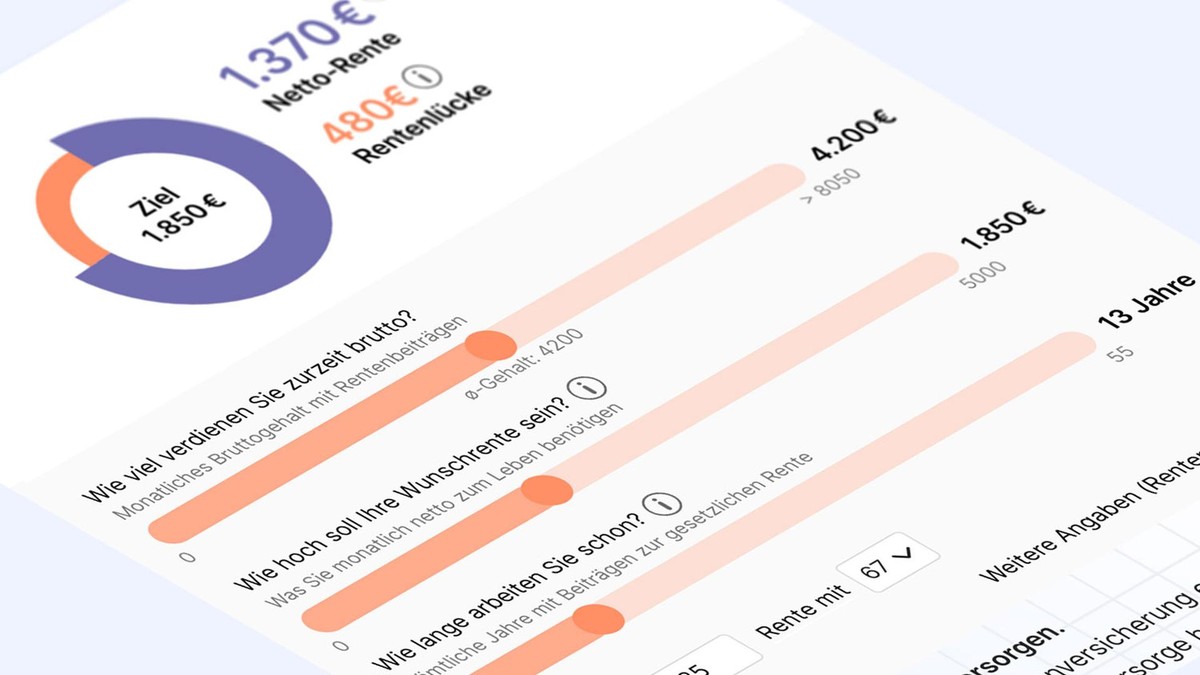
And if you stay? Starting January 2027, the Altersvorsorgedepot (retirement savings depot) replaces the widely despised Riester-Rente (Riester pension) and offers up to €540 in annual state subsidies for your ETF-based retirement savings. It’s not life-changing money, but it’s free capital that compounds for decades, as long as you’re willing to lock your cash away until at least age 65. For someone who can’t imagine surviving until Friday, that subsidy is less of an incentive and more of an insult. Still, if you do stay, don’t let bureaucratic fees quietly devour those subsidies before they even hit your account. ETF-Gebühren und ihre Auswirkung auf die Sparrate
The Unsexy Third Option

Everyone frames this as a binary, Germany or Thailand, but the smartest move might be lateral. Reduce your hours. Switch to Selbstständigkeit (self-employment). Use your €75,000 as a runway to buy yourself time for a new skill or even a business takeover rather than another decade of keyboard tapping. The German system makes part-time transitions painful but possible. You keep your healthcare, your pension credits keep ticking, and your sanity gets a chance to regenerate.
This is where Coast FIRE becomes genuinely interesting. Instead of geo-arbitrage, you drop to a Teilzeit (part-time) gig at thirty, cover your modest expenses with low-stress work, and let the market do the heavy lifting until sixty. You don’t need to vanish to find freedom, you need to lower your burn rate until your job becomes optional. Coast FIRE als Alternative zum Sparen oder Auswandern
Learning to live lean isn’t deprivation, it’s reconnaissance. Wie man Lifestyle-Inflation vermeidet, wenn das Gehalt steigt
The Decision Matrix You Actually Need
Ask yourself three questions before you choose:
Can you stomach a smaller life in Germany? If the answer is no, calculate whether you have enough for ten years of lean living abroad, because that is what early retirement actually requires, not a two-year vacation.
What exactly are you running from? If it’s the job, change the job. If it’s the culture, consider that Germany is big enough to escape Berlin without leaving the continent. Chasing cheaper rents in Leipzig or rural Bavaria beats rebuilding your entire bureaucratic existence from scratch. Warum der erwartete Immobiliencrash ausbleibt und was das für Auswanderer bedeutet
Have you tested the fantasy? Do not file your Abmeldung (deregistration) from Germany because you had a great vacation in Bali. Spend six months working remotely from Southeast Asia on a tourist visa before burning your German safety net. The beach looks different when it’s your office and your prison.
The Verdict Nobody Wants
Here is the truth that gets you uninvited from optimism circles: both paths suck at first. Staying means accepting that your Altersvorsorgedepot is a boring but necessary cage. Leaving means accepting that your €75,000 evaporates faster than you think when you have no local support network, no state subsidy, and no employer splitting your social security.
The actual luxury isn’t being in Thailand at thirty. It’s having options at fifty. Die Mittelschichts-Falle und ob Sparen für die Rente noch lohnt
So start here. Tomorrow, cut your work hours by twenty percent. Stash your €2,000 monthly savings into the cheapest ETF-Sparplan you can find. Take a three-month sabbatical to test your Southeast Asia dream before you destroy your German healthcare and pension history. Freedom is not a latitude and longitude. It is the gap between your expenses and your panic. Close that gap first. The rest is just weather.