
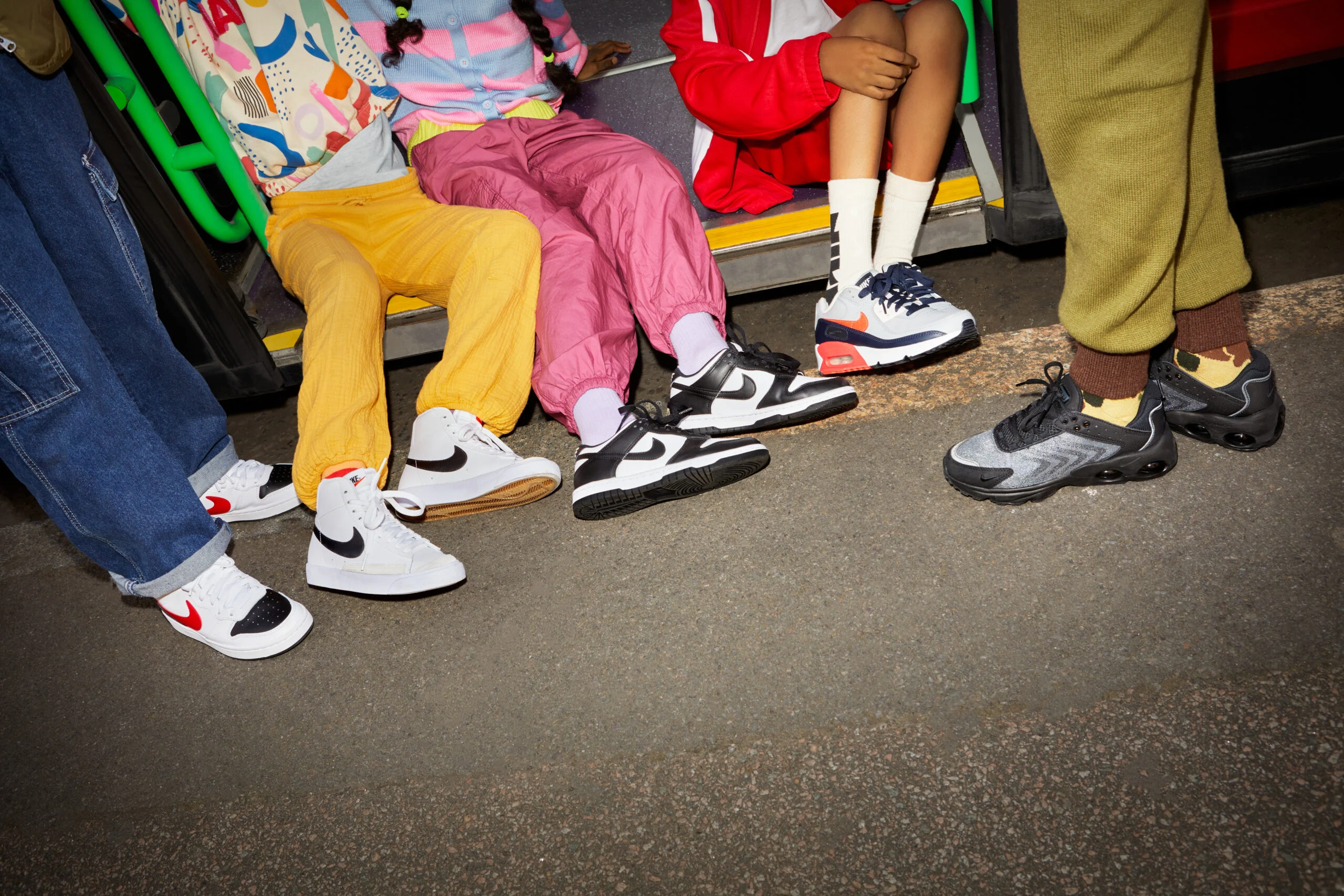
You walk into a mid-range shoe store. Not fancy, not cheap. You find your own size, try on a pair without any help, and head to the register. The saleswoman is polite but hasn’t done anything beyond processing your payment. Then the card machine spins up and politely asks: “Would you like to add a tip? 10%, 15%, or 20%?”
Welcome to the new German retail experience, where the Trinkgeld (tip) request has escaped the restaurant and is now hunting you down in places you never expected.
The Moment the Screen Asks for Gratitude
A recent post on a German finance forum captured the exact feeling many of us have had this year. Someone went to buy shoes at a well-known chain, self-selected their purchase, and was hit with a digital tip prompt at the checkout. Their reaction was visceral: “I almost lost the strength in my face.” They gave nothing. And honestly? Good for them.
The post racked up hundreds of upvotes in hours, with commenters sharing similar experiences. One person suggested taking the shoes off and walking out. Another recommended leaving a negative Google review deducting points for the “tip begging” (Trinkgeld-Schnorrerei). The sentiment was clear: this feels wrong.
But here’s the thing, it’s not going away. The digital tip prompt, once confined to sit-down restaurants and delivery services, has become a standard feature in retail POS (Point of Sale) systems. Bakeries, clothing stores, and even bike repair shops are installing it.
Why This Trend Is Taking Over Germany
The mechanical reason is simple: software defaults. Companies like SumUp, Square, and the German card terminal providers have made “tip suggestion” a standard feature that retailers can activate with a checkbox. Once it’s there, most shop owners leave it on because who wants to actively remove a feature that might bring in extra revenue?
But the deeper reason is the Americanization of German consumer culture. We’ve been watching this bleed in for years. First it was food delivery apps. Then it was the barista at the hipster coffee roastery flipping the screen toward you. Now it’s anywhere you can tap a card.
The psychology is insidious. When the option is presented on a screen while the employee watches, you’re no longer making a private decision. You’re performing in front of an audience. Most Germans I know would rather pay a 15% surcharge than stand awkwardly tapping “Kein Trinkgeld (No Tip)” under the cashier’s gaze.
The Consumer Backlash Is Real
One German parenting blog recently ran a piece titled “Keinen Cent mehr für die Trinkgeld-Schnorrer!” (Not a single cent more for the tip beggars!). The author, Kaan Gürayer, described his journey from happy card user back to cash loyalist.
His reasoning was spot on: “When I pay digitally and am presented with preset tip options of 10, 15, or 20 percent, the whole concept of tipping becomes distorted. Tips are supposed to reward service that goes above and beyond, not just handing me a bag of overpriced fries after I waited 20 minutes in line.”
He’s not wrong. What exactly is the “above and beyond” when a salesperson scans a pair of shoes you picked out yourself? Or when a baker hands you a Brötchen (bread roll) over a counter?
The card terminal doesn’t distinguish between good service and existing. It just asks for money.
The Invisible Tax on Digital Payments
Here’s where it gets financially interesting. The digital tip prompt isn’t just annoying, it’s effectively a tax on paying with card. If you pay cash, you can drop a few coins in the jar or round up casually. The social pressure dissolves because the transaction is already complete. But with card payments, the pressure is embedded into the exchange itself.
This is creating a strange reverse effect. Germany, already notoriously cash-loving, is seeing a revival of Bargeld (cash) usage for completely unexpected reasons. Not because of privacy fears or distrust of banks. But because people want to escape the tip screen.
Multiple forum threads confirm this: “I’ve started carrying cash again specifically to avoid this situation. Not out of nostalgia, out of protest.”
What the “Tip Creep” Actually Costs You
Let’s run the numbers on this. If you’re the kind of person who feels obligated to tip at these random retail encounters (and many people do, despite the resentment), the costs add up fast.
Say you tip 10% at:
– The bakery twice a week (€1 per visit)
– The clothing store once a month (€5)
– The shoe store once a quarter (€3)
– Random other purchases (€2-3 per month)
That’s roughly €15-20 per month or €180-240 per year. Not life-changing, but it’s money you’re spending on nothing. No improved service. No extra effort. Just guilt.
Compare this to other stealth expenses creeping into our lives. The psychology of lifestyle inflation is strikingly similar, small, recurring charges that feel insignificant individually but accumulate into real money. It’s the same phenomenon that makes people overspend on subscriptions, leased cars, and unnecessary upgrades.
The Real Trick: How to Push Back
You don’t need to switch entirely to cash to win this battle. Here are three practical strategies:
The Satisfying “No”
Look the cashier in the eye, smile, and tap “Kein Trinkgeld” without hesitation. You’re not being rude. You’re being honest. Most cashiers don’t expect the tip anyway, they know the system is automated.
The Selective Tipper
Keep a few euros in coins for genuine service. When a salesperson spends 20 minutes finding your size in the back room, drop €2 in the jar. That’s meaningful tipping. It rewards actual effort, not software defaults.
The Walk Away
If the tip request genuinely offends you, do what one forum user suggested: abandon the purchase. “I would have bought the shoes online. Now you know your size.” It sends a message. Enough people do this, and retailers might rethink the default.
A Cultural Crossroads
Germany is at an interesting moment. Digital payments are finally gaining traction after years of resistance. But the tipping culture that comes with them is imported from a system where service workers earn below minimum wage and tips are expected survival income.
That’s not Germany’s reality. German retail workers earn a living wage. Restaurant staff have health insurance and paid leave. The tip is supposed to be a bonus for exceptional service, not a surcharge for existing.
The digital tip prompt threatens to erode that distinction entirely. When every transaction becomes an opportunity to ask for more money, the meaning of tipping dissolves. It stops being gratitude and becomes a tax on convenience.
The best thing you can do is tip intentionally. Decide what service is worth before the screen lights up. And if the answer is nothing, tap that button with pride.
After all, the Trinkgeld (tip) isn’t mandatory. It’s voluntary. And voluntary means the choice is yours, not the terminal’s.
Speaking of creeping expenses, if you think tip prompts are annoying, wait until you discover the hidden costs and financial traps that quietly drain your budget . You’d be shocked where the money really goes.