You’ve heard it at every dinner party, every WG (shared flat) kitchen discussion, every Stammtisch (regulars’ table) debate: Just wait until the Boomers die off. Then the market will flood with cheap houses, and we’ll all finally afford that Einfamilienhaus (single-family home) with a garden in Prenzlauer Berg or Schwabing.
Sounds logical. Sounds comforting. Sounds completely wrong.
The demographic math is stark: 4.8 million German properties, nearly a third of all Wohneigentum (homeownership), belong to the Babyboomer generation, those born between 1946 and 1964. Between 2040 and 2050, age-related transfers will peak. The Jacasa study calls it a “Silver Tsunami.” But here’s what the headlines won’t tell you: most of those properties are either unaffordable money pits, located where you don’t want to live, or will never actually hit the open market.
The Renovation Time Bomb Hiding in Every Küche
Walk into a typical Boomer-owned Einfamilienhaus in the German suburbs. That charming 1970s kitchen? It’s not vintage, it’s a Sanierungsstau (renovation backlog) disaster waiting to happen. Many international residents underestimate the brutal reality of German building standards and renovation costs.
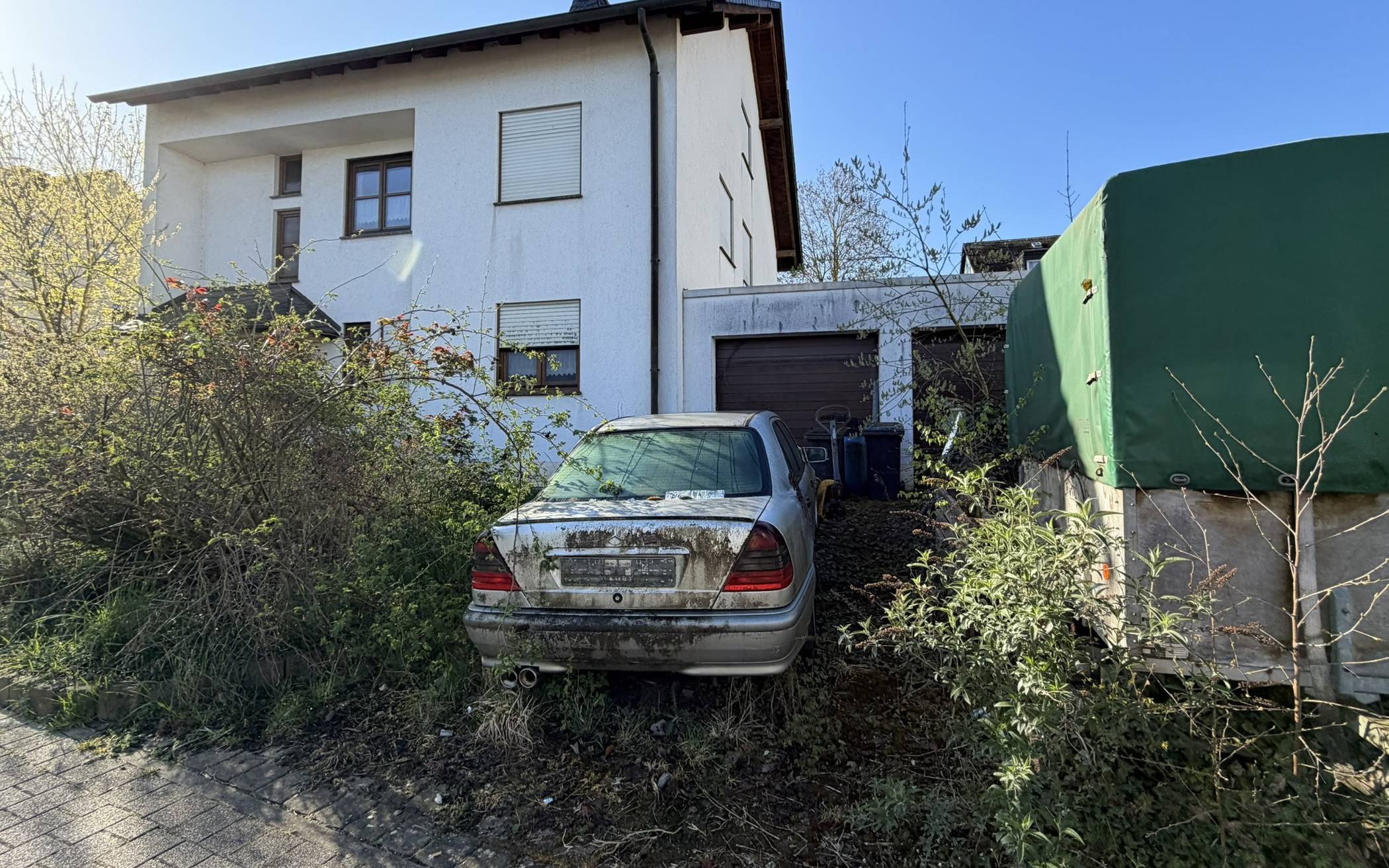
This “Lost Place” near Trier shows what happens when properties sit empty, an increasingly common sight in rural regions.
The numbers are sobering. That cute 1960s bungalow in a Speckgürtel (commuter belt) community? You’re looking at €200,000 or more just to modernize it properly. Not for luxury, bare minimum. We’re talking Dämmung (insulation) that meets current EnEV (Energy Saving Ordinance) standards, replacing Ölheizung (oil heating) before the 2045 ban, removing Asbest (asbestos) and Formaldehyd (formaldehyde) from 60s-era Baumaterialien (building materials), and updating electrical systems that predate the internet.
As one observer noted, many Boomer properties feature “Küche aus 1969, alte Leitungen, ineffiziente Heizung.” The cost calculation is brutal: In many cases, a Neubau (new build) is economically equivalent to buying plus renovating. The land might have value, but the structure itself? Sometimes negative.
This isn’t theoretical. In many ländlichen Regionen (rural regions), the Bodenrichtwert (standard land value) exceeds the value of the actual building. Subtract the land price from the Verkaufspreis (sale price), and you’re left with a Gebäudewert (building value) that’s often negligible, or even negative when you factor in demolition costs.
Location Is Everything, and Everything Is Urban
Here’s where the dream really collapses: Location trumps supply, every single time.
Germany’s Urbanisierung (urbanization) isn’t slowing, it’s accelerating. Young professionals cluster in München, Berlin, Hamburg, Frankfurt, and Köln. Meanwhile, structurally weak regions in the former East or remote Eifel villages face the opposite problem: Leerstand (vacancy) and falling values.
The Jacasa study reveals a clear Ost-West-Gefälle (East-West divide). In some rural eastern Kreise (districts), nearly half of properties belong to Boomers. In prosperous Oberbayern (Upper Bavaria), the concentration is lower, but demand is infinitely higher.
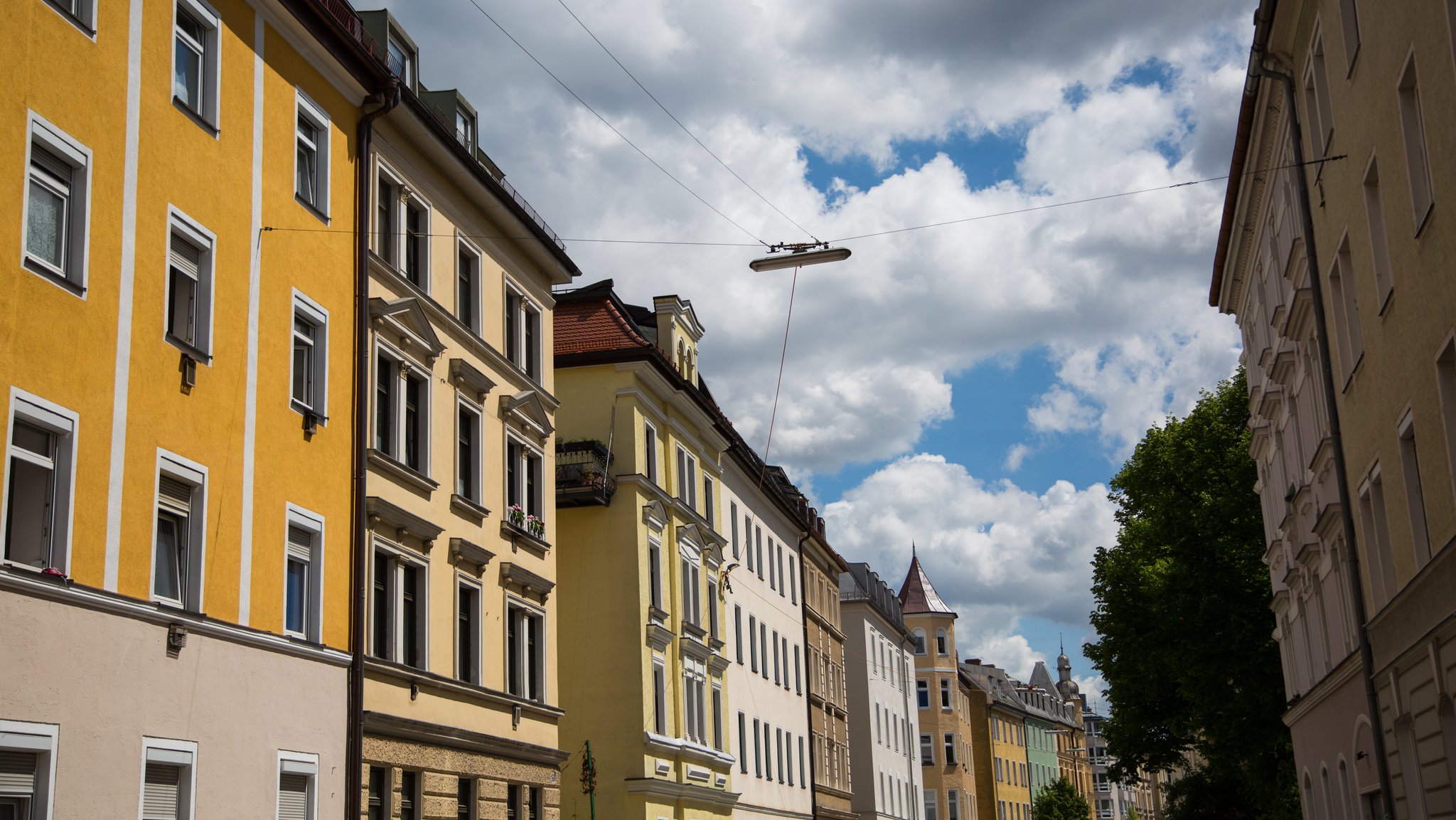
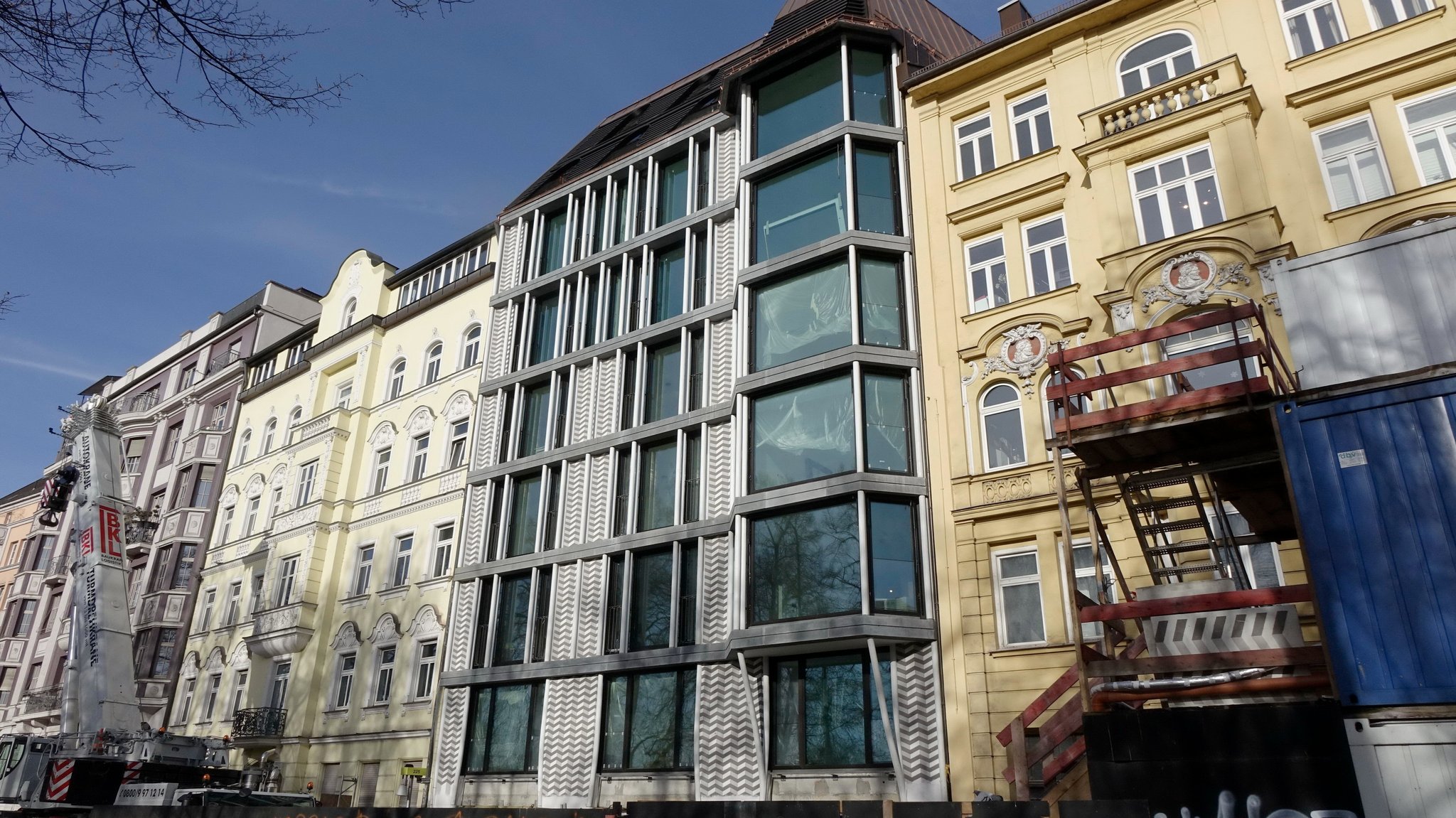
Munich’s streetscapes show why urban properties remain immune to demographic shifts.
The math is simple:
– Städte (Cities): High demand + limited supply = prices stay high or climb
– Land (Countryside): Low demand + aging population = prices stagnate or crash
That three-day-a-week Büropflicht (office requirement) many companies now enforce? It kills the remote-work fantasy. You can’t live in a cheap village four hours from your Frankfurt Arbeitsplatz (workplace) when you’re commuting three days a week. The radius of acceptable Wohnort (residence) has expanded slightly from five-day office life, but not enough to save rural markets.
The Inheritance Trap: Why Properties Vanish Before They Reach You
Perhaps the biggest myth-buster: Most Boomer properties never reach the freier Markt (open market).
German inheritance patterns create a massive Dämpfungseffekt (dampening effect). Boomers averaged just one child. That child, often already 50-60 years old with their own Wohneigentum, inherits. They don’t sell. They vermieten (rent out) the property, use it as a Zweitwohnsitz (second home), or let it leerstehen (stand empty).
One analyst explains: “Ein großer Teil dieser Immobilien wird nicht verkauft, sondern vererbt.” The Erbe (heir) is often financially stable enough to hold the property indefinitely. This removes supply before it can even hit the market.
Even when properties do sell, it’s often under the Hand (under the table), within family networks. Many young buyers report feeling locked out: “Alles über Generationen hinweg weggegeben wird.” The result? A shadow market that never appears in Immobilienportalen (real estate portals) statistics.
The Interest Rate Reality Check
Here’s the uncomfortable truth: Even if prices dropped 20%, you might still not afford it.
The Zinsfaktor (interest rate factor) dominates everything. German buyers in the 1980s paid 8-9% interest but lower nominal prices. Today’s 3.5-4% rates seem low, but combined with inflated purchase prices, the monthly burden can be higher.
Prof. Dr. Bernd Raffelhüschen from Universität Freiburg cuts through the noise: “Immobilienpreise tendieren nicht dazu, zu fallen.” He measures affordability in Arbeitszeit (working time), not Euro. Shockingly, today’s buyers spend 6.5x their annual income, while Boomers paid 8-9x and their parents 12-14x.
But here’s the catch: significant renovation and operating costs can easily add €1,000+ monthly to your budget. That €250 monthly Betriebskosten (operating costs) fantasy many first-time buyers calculate? “250 Euro pro Monat schaffst du in einem Haus never ever”, as real owners will tell you.
The Regional Split: Where the Real Opportunities Hide
The Jacasa study’s “Silver-Tsunami-Index” reveals stark differences. While 32% of German properties are Boomer-owned nationwide, the range is dramatic:
- Eifelkreis Bitburg-Prüm: Only 24.92% Boomer-owned, lowest risk of price pressure
- Some eastern districts: Nearly 50% Boomer-owned, potential oversupply
- Munich: 29.8% Boomer-owned but massive demand keeps prices stable
Munich remains Germany’s price leader, demographic shift or not.
Martin Voigtländer from the Institut für Deutsche Wirtschaft predicts a “zunehmende Spaltung zwischen Stadt und Land.” Rural regions will see more supply from inheritance, but young people want cities. This widening gap means historical housing price comparisons are misleading, your parents’ cheap 1990s purchase in a now-trendy neighborhood has no bearing on today’s market dynamics.
The Renovation Cost Death Spiral
Let’s get specific about those Sanierungskosten (renovation costs), because this is where dreams go to die.
A typical 1970s Einfamilienhaus might need:
– Dachsanierung (roof renovation): €30,000-50,000
– Fassadendämmung (facade insulation): €40,000-60,000
– Heizungstausch (heating system replacement): €15,000-25,000
– Elektrik (electrical): €10,000-20,000
– Asbestsanierung: €5,000-15,000
– Küche/Bad: €20,000-40,000
Total: €120,000-250,000. And that’s before you address the “persönliche Spassanbauten” (personal fun additions) like that 15-year-old Sauna in the Keller (basement) the seller insists adds value.
The worst part? Banks know this. They’re increasingly hesitant to finance older properties without massive Eigenkapital (equity). Your 20% down payment might need to be 40% for a sanierungsbedürftig (renovation-needed) Boomer house. This creates a generational credit access barrier that locks out younger buyers even if they could afford the purchase price.
What This Means for Your Actual Strategy
Stop waiting for the Boomer wave. It’s not coming to save you. Instead:
If you’re buying in a city: The “Silver Tsunami” is irrelevant. Focus on your Finanzierungsplan (financing plan), build Eigenkapital, and accept that fixed-rate mortgage lock-in effects mean timing matters more than market timing. Consider Neubau over Bestand (existing property), the price difference often evaporates when you factor in renovations.
If you’re flexible on location: Look at structurally sound Mittelstädte (medium-sized cities) with good ÖPNV (public transport) connections. The sweet spot is places like Wuppertal, top Lage (location) for reaching Köln/Düsseldorf, but priced below the major metros.
If you’re inheriting: Don’t assume keeping the property is smart. Calculate the Sanierungsstau honestly. Sometimes selling and buying something that fits your Lebenssituation (life situation) beats inherited headaches.
If you’re a Boomer owner: Don’t wait until 80 to plan. The Verkauf (sale) in schwachen Regionen (weak regions) takes years. Start early, get a Gutachter (appraiser), and be realistic: your “persönliche Spassanbauten” add zero to market value.
The Bottom Line
The German real estate market isn’t a monolith that will rise or fall based on one generation. It’s fragmenting, splintering into a thousand micro-markets where location, condition, and financing matter more than demographics.
That 4.8 million figure? It’s a statistical curiosity, not a market mover. Most of those properties will never reach you. The ones that do will cost more than you expect. And the ones you actually want? They were never part of the “Silver Tsunami” to begin with.
The real story isn’t about Boomers leaving. It’s about a market that has learned to price in demographics before they happen. While you’re waiting for the wave, the market has already built a dam.
Your move.