The Swiss Property Delusion: Why Renting Builds More Wealth Than Owning
The math behind Swiss homeownership reveals a brutal truth: that mortgage you’re chasing might be the worst investment of your life. Here’s why renting and investing elsewhere crushes owning property in Switzerland.
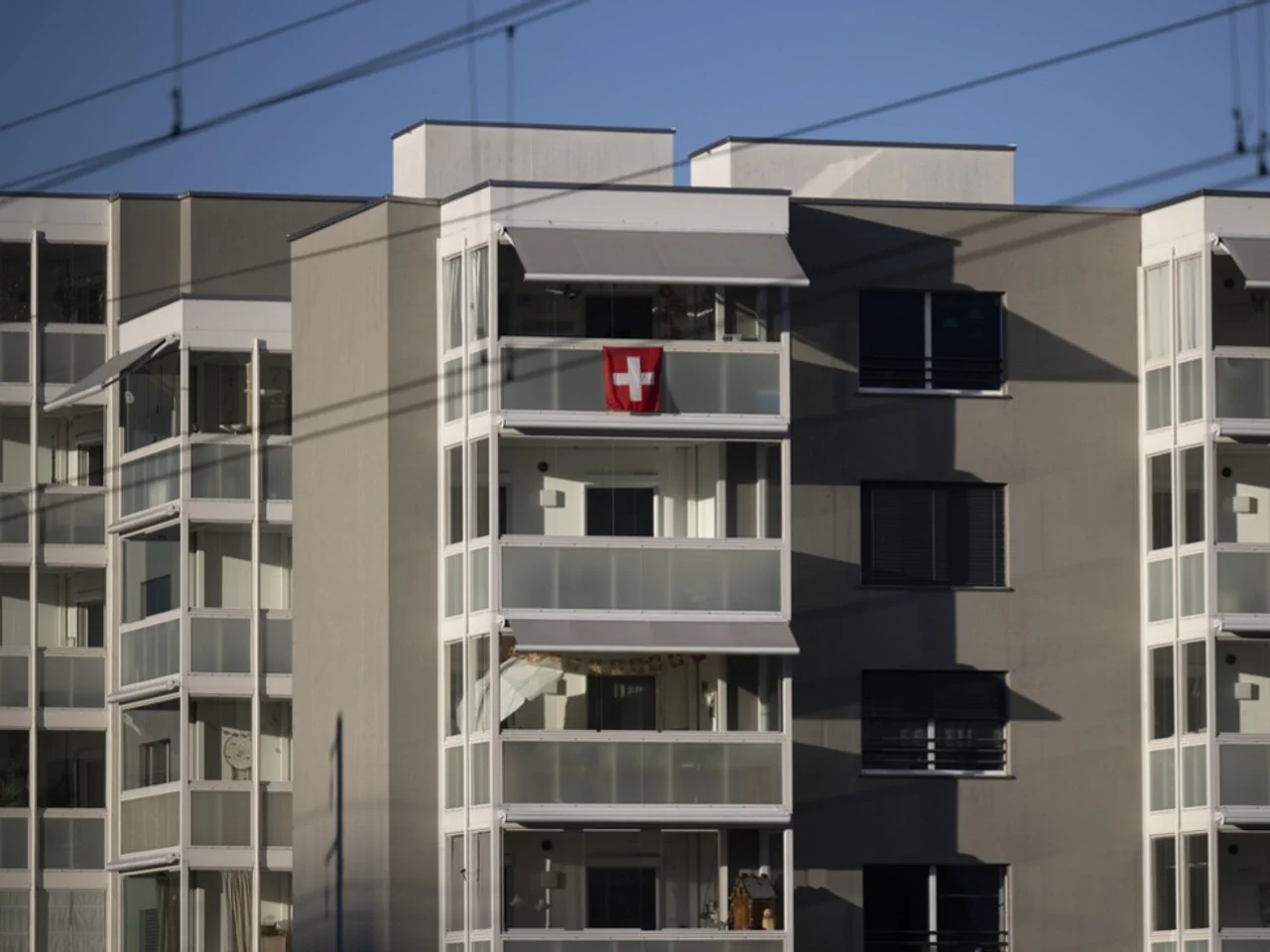
You’re sitting in a Zürich café, scrolling through property listings while your Kaffee gets cold. That Eigentumswohnung (condominium) in Kreis 3 costs CHF 1 million. Your banker says it’s a “solid investment.” Your parents back home keep asking when you’ll “stop throwing money away on rent.”
But here’s what nobody’s telling you: that mortgage is a wealth trap disguised as a status symbol. The numbers don’t just whisper this, they scream it.
Let me show you why renting in Switzerland isn’t just acceptable, it’s often the financially superior nuclear option.
The 33x Rule That Destroys Returns
The core problem? Swiss property prices trade at roughly 33 times annual rent. Let that sink in.
Take a place renting for CHF 2,500 monthly. That’s CHF 30,000 annually. Buying something comparable? Around CHF 1 million. You’re not buying a home, you’re buying 33 years of prepaid rent.
Buying Scenario
- Purchase price: CHF 1,000,000
- Your equity: CHF 200,000 (20% down)
- Mortgage: CHF 800,000 at 1.5% interest
Cost Breakdown
Your annual mortgage interest: CHF 12,000. Sounds reasonable, right? But that CHF 200,000 you sank into the property isn’t free. If you’d invested it elsewhere at a conservative 5% return, that’s another CHF 10,000 in opportunity cost you’re ignoring.
Before maintenance, taxes, or transaction fees, your true annual housing cost is already CHF 22,000.
Renting Scenario
- Gross rent: CHF 30,000/year
- Actual housing consumption avoided by owning: ~85% of rent (some costs exist either way) = CHF 25,500
The difference? A measly CHF 3,500 annual “benefit” to owning. One new heating system, one façade repair, one special assessment from your Gemeinde (municipality), and that advantage evaporates.
This isn’t theoretical. Many international residents who’ve crunched these numbers report finding Swiss property math “underwhelming” at best. The cultural pressure to buy clashes hard with spreadsheet reality.
The Leverage Trap: Why 5x Multiplication Is a Mirage
“But wait”, your mortgage broker interrupts, “you’re forgetting leverage! With CHF 200,000, you control CHF 1 million of real estate. If property values rise 2% annually, you gain CHF 20,000, that’s a 10% return on your equity!“
Nice try. Let’s actually compare apples to apples.
That 2% property appreciation? Historically, about 1.4% annually comes from building investment, renovations, upgrades, maintenance that owners pay for but rarely count as costs. The real organic appreciation is closer to 0.6%.
Meanwhile, your CHF 200,000 in global ETFs historically returns 7-8% annually. The leverage argument only works if property outperforms other investments, which it rarely does in Switzerland.
More importantly, leverage cuts both ways. Lose your job and can’t service that CHF 800,000 mortgage? The bank doesn’t care about your “long-term investment.” As some financial advisors bluntly put it: housing leverage is riskier than it appears because it’s concentrated in a single, illiquid asset.
The comparison to options trading with 5x leverage gets thrown around in finance circles, but here’s the difference: options can be hedged and exited quickly. A house in a slow-moving Swiss market? You’re locked in.
The 2026 Tax Twist That Changes Everything
Just when you thought you’d mastered the math, Switzerland rewrote the rules. As of 2026, the Eigenmietwert (deemed rental value) tax is abolished.
Under the old system, homeowners paid income tax on a fictional rent they’d pay themselves. It was annoying, but it partially offset mortgage interest deductions. Now? That complexity is gone, for primary residences.
But here’s the catch: Kantone (cantons) can introduce new object taxes on second homes. If you’re buying that “investment property” in Graubünden or Valais, you might face new annual levies that renters avoid entirely.
This tax shift further tilts the equation toward renting for flexibility. Why lock yourself into ownership when the tax landscape is actively changing?
The “Third Way” Nobody Talks About
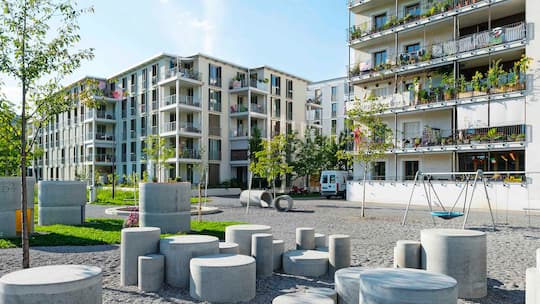
Frustrated by both options? There’s a middle path: Wohngenossenschaften (housing cooperatives).
In Zurich’s popular Hunziker Aarel, residents buy shares in a cooperative rather than individual property. You get stability without the crushing capital requirements. No 20% down payment. No CHF 1 million leverage. No exposure to a single asset.
The trade-off? You don’t “own” in the traditional sense. But given that Swiss homeownership is often more about ego than economics, cooperatives deserve serious consideration.
When Buying Actually Makes Sense
Let’s be fair. Buying isn’t always wrong. It makes sense when:
- You value stability over returns. If you need to know your kids can stay in the same school until university, ownership delivers peace of mind that spreadsheets can’t measure.
- You’re hedging against rent inflation. In tight markets like Zurich or Geneva, owning protects you from Mietzins (rent) increases.
- You need leverage for wealth building AND accept the concentration risk.
But recognize this: you’re buying a lifestyle and inflation hedge, not an investment. As one recent buyer admitted, “To me, buying rather than renting is a lifestyle decision, not a financial one.”
The problem arises when people confuse the two.
The Opportunity Cost Killer
Here’s what really destroys wealth: concentration risk.
That CHF 200,000 down payment represents 80% of many people’s liquid net worth. Plunging it into a single property in a single Swiss Kanton violates every diversification principle.
Meanwhile, the renter who invests that same CHF 200,000 across global equities, bonds, and perhaps some crypto gains diversification, liquidity, and higher expected returns.
The math becomes even more brutal when you factor in transaction costs. Notary fees, property transfer taxes, and agent commissions can easily hit 5% of purchase price, that’s CHF 50,000 on your CHF 1 million apartment, gone before you get the keys.
The Market Timing Trap
Swiss property prices rose 4.7% in the year to Q1 2026, with urban agglomerations up 3.1% in just three months. The headlines scream “buy now before it’s too late!”
But remember: you’re competing with institutional investors and wealthy foreigners who view Swiss property as a safe haven, not a home. They’re driving prices to levels where yields make no sense for owner-occupiers.
The typical buyer who waits for a “dip” often waits forever. Meanwhile, the renter-investor is building wealth in markets that actually reward capital.
The Psychological Warfare
Swiss culture venerates ownership. Your colleagues at the Betrieb (company) ask about your “property plans.” Your Steueramt (Tax Office) paperwork assumes you’ll eventually buy. The mortgage industry spends millions reinforcing the narrative.
This cultural pressure leads to what behavioral economists call “commitment bias.” Once you start saving for a down payment, you feel compelled to complete the purchase even when the numbers turn against you.
I’ve seen couples stretch to buy “before prices go higher”, only to realize they can’t afford a second child because their mortgage consumes 40% of net income. The Wohneigentum (homeownership) dream becomes a financial cage.
The Verdict: Rent, Invest, Relax
Unless you have a specific, non-financial reason to buy, the Swiss property market rewards renters who invest elsewhere.
Your action plan:
- Run your own numbers. Don’t trust bank calculators that ignore opportunity cost.
- Max out your Säule 3a (Third Pillar) ** and global ETFs first.
- Rent well. In Switzerland, tenant protections are strong. Use that security to invest aggressively.
- ** Wait for the right life reason.** If you find a place you want to die in, buy it. Until then, rent.
The Swiss banking system operates with the same reliability as an SBB train, usually impeccable, until construction slows the line. Your mortgage is that construction project. It might get you there eventually, but you’ll arrive with less wealth than the renter who took the express.
impact of financing costs on rental profitability
Bottom line: In Switzerland, renting isn’t settling. It’s often the smartest financial move you can make. The property ladder everyone obsesses over? It might just be a staircase to nowhere.