
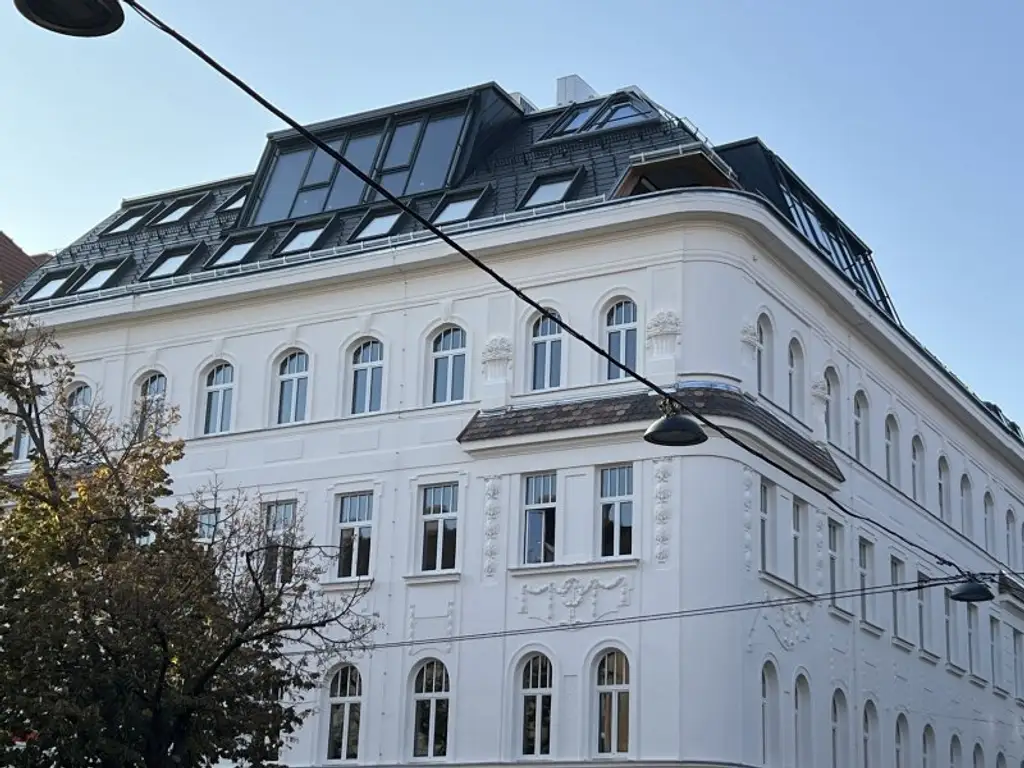
Welcome to Austrian buy-to-let financing in 2026, where the Euribor (Euro Interbank Offered Rate) fluctuations are giving everyone motion sickness and your spreadsheet assumptions are about as stable as a chair with three legs.
The Euribor Reality Check Nobody Asked For
Let’s get something straight: the Euribor isn’t just some abstract number economists tweet about. It’s the foundation for your variable-rate Baufinanzierung (construction financing), and right now it’s behaving like a caffeinated squirrel. After the ECB held rates at 2.0% through most of 2025, the Iran conflict sent everything spiraling upward in early 2026. We’re seeing 10-year fixed mortgages hovering between 3.5% and 4.2%, which, yes, is still historically moderate (remember the 2000s when 5% felt like a gift?), but when you’re calculating rental yields, that extra percentage point transforms your cash flow from “comfortable retirement plan” to “I guess I’ll work until I’m 85.”
The real kicker? That Reddit post from the guy buying a rental house with “Renovierungsstau” (renovation backlog) who thought 4.2% was “fair” tells you everything about how expectations have shifted. Two years ago, 4.2% would have been robbery. Today, it’s Tuesday.
Fixed vs. Variable: The Austrian Landlord’s Dilemma
Here’s where your Austrian banker will smile politely and watch you squirm. Fixed-rate mortgages give you Planungssicherheit (planning security) for 10, 15, or 20 years, but you’ll pay a premium. Variable rates tied to Euribor plus a margin look sexy when rates are stable, but you’re essentially gambling that the ECB won’t panic about inflation again.
I spoke with a couple in Graz last month who went variable in late 2025 because the margin was only 0.8% above Euribor. They saved €180 monthly, until February 2026, when their payment jumped €340 overnight. Their tenant’s rent? Locked for three years thanks to Austrian Mietrechtsgesetz (tenancy law). The math got ugly fast.
The controversial take: In this environment, variable rates are for gamblers and people who actually understand derivative instruments. Everyone else should lock in a fixed rate and accept that you’re paying for peace of mind. The Austrian housing market moves slowly enough that you’ll likely hold this property for a decade anyway, so optimize for sleep, not speculation.
Renovation Financing: The Hidden Cash Flow Killer
That €50,000 renovation budget you scribbled on a napkin? Let me introduce you to how Austrian banks actually handle Modernisierungskredite (modernization loans).
Most lenders will finance renovations, but they treat them differently than the purchase price. You’ll need detailed Gutachten (expert reports), Bauanträge (building permits), and at least three quotes from certified contractors. The bank releases the money in tranches, each requiring proof of work completed. Miss a deadline because your plumber disappeared to Croatia for three weeks? That tranche gets delayed, and your contractor still wants payment.
Worse, the interest rate on renovation portions is often 0.3-0.5% higher than the primary mortgage. Why? Higher risk. You might over-improve for the neighborhood, or the work might not increase the Beleihungswert (mortgage lending value) proportionally. Banks in Austria are famously conservative, they’d rather finance a boring apartment in a stable district than your “vision” of a designer loft in a transitional area.
The practical workaround: Structure your purchase price to include as much “as-is” value as possible. Use your Eigenkapital (equity) for renovations rather than borrowing it all. Yes, this means saving longer, but it also means your rental yield calculations don’t get murdered by higher interest on the improvement loan.
Austrian Tax Reality: When the Finanzamt Becomes Your Silent Partner
Here’s what those German finance blogs won’t tell you: Austria’s tax treatment of rental income is particularly brutal for leveraged properties. You can deduct interest payments, maintenance, and depreciation (AfA, Absetzung für Abnutzung), but the Finanzamt (Tax Office) will scrutinize every cent.
The Kest (capital gains tax) at 27.5% applies when you sell, but here’s the spicy part: if the Finanzamt classifies you as a “Gewerbebetrieb” (commercial operation) because you’re “overly active” in property management, you could face income tax rates up to 55%. What counts as “overly active”? There’s no clear line, but if you’re renovating between tenants, managing multiple properties, and spending more than 20 hours weekly on landlord duties, you might cross into commercial territory.
Then there’s the Grunderwerbsteuer (real estate transfer tax) at 3.5% of purchase price, non-negotiable, due immediately. Notary fees add another 1.5-2%. Your €350,000 apartment actually costs €366,250 before you’ve even picked up a paintbrush.
The Vienna-Specific Complication
If you’re buying in Vienna, you’re not just fighting interest rates, you’re fighting a market where pressures in the local housing market forcing homeownership have created a perfect storm. The city’s rent control system (Mietpreisbremse) limits what you can charge, but it doesn’t limit your financing costs.

I know a landlord who bought a 70m² Altbau in Josefstadt for €420,000 in 2024. His monthly payment at 3.8% fixed is €1,680. The legal maximum rent he can charge? €1,120. He’s subsidizing his tenant by €560 monthly, hoping appreciation will bail him out. That’s not investing, that’s philanthropy with extra steps.
The only way this works is if you bought years ago, inherited the property, or find an underpriced gem in a neighborhood about to gentrify. In 2026 Vienna, those gems are rarer than a quiet night in the Gürtel.
Forward Darlehen: Your Interest Rate Insurance Policy
Smart Austrian investors are using Forward-Darlehen (forward loans) to hedge against rate increases. You can lock in today’s rates for up to five years before your current financing expires. Given that rising interest rates on government savings instruments suggest the broader rate environment is shifting, this isn’t just clever, it’s survival.
The catch? You pay a premium of about 0.02% per month of forward time. Lock in three years early and you’re adding 0.72% to your rate. But compare that to the risk of rates jumping another 1.5% if geopolitical tensions worsen, and it starts looking like cheap insurance.
The Numbers That Actually Matter
Stop obsessing over the purchase price. In this rate environment, three numbers determine your success:
- Your equity ratio: Below 30% equity, banks penalize you with higher rates. Above 40%, you get the best conditions. That’s not a suggestion, it’s the difference between 3.8% and 4.3%.
- Debt service coverage ratio: Annual rental income divided by annual mortgage payments. Below 1.0, you’re bleeding cash. Aim for 1.25 minimum, which means that €1,680 monthly payment needs €2,100 in rent. In most Austrian cities, that requires buying well below market average.
- Renovation cost per square meter: Above €800/m² for standard renovations, you’ll never recoup it through rent. Austrian tenants won’t pay premium rents for premium finishes unless you’re in Vienna’s first district or luxury segments in Innsbruck or Salzburg.
So What Should You Actually Do?
First, run your numbers at 5% interest, not 4%. If the deal still works, proceed. If not, walk away. Rates could easily climb another half-point by 2027.
Second, prioritize properties needing cosmetic work over structural renovations. New paint and floors improve rentability without triggering the bank’s risk radar. Touch the load-bearing walls and you’re in a different financing category.
Third, consider Bausparen (building savings contracts) as a parallel strategy. Lock in a future loan at today’s rates while you save equity. It’s the Austrian way, slow, conservative, but it works.
Finally, accept that the days of easy leverage are over. Your parents’ generation got rich on 80% mortgages and inflation eating their debt. You’re playing a different game. In 2026 Austria, rental property is a wealth preservation tool, not a wealth creation tool. Adjust your expectations or prepare for disappointment.
The uncomfortable truth: Sometimes the best buy-to-let decision is not buying. Park your money in a Bundesschatz (federal treasury bond) at 1.95%, avoid the tenant headaches, and sleep soundly. But if you must buy, at least now you know which traps have sharpened sticks at the bottom.