
Picture this: It’s 2 AM, you’re scrolling through your banking app, and you notice a notification that ING is finally launching a proper credit card this year. Your first thought? “Finally, I can ditch my Debitkarte (debit card) for real.” Your second thought, seconds later? “Wait, what’s this about subscriptions?”
That’s the exact emotional whiplash hitting ING customers right now. The bank that built its German empire on free Girokonten (current accounts) is plotting something that sounds suspiciously like a Netflix subscription for your money. And trust me, the comments sections across German finance forums are absolutely on fire.
The German banking system operates with the same efficiency as a Deutsche Bahn train, usually impeccable, until there’s construction on the line. And right now, ING is doing major construction.
The Credit Card Comeback Nobody Asked For (But Everyone Wants)
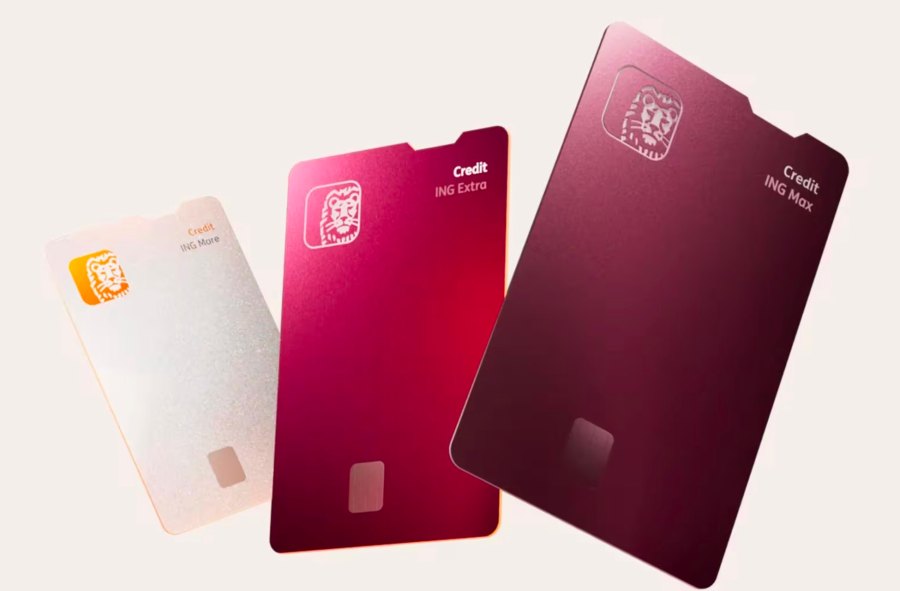
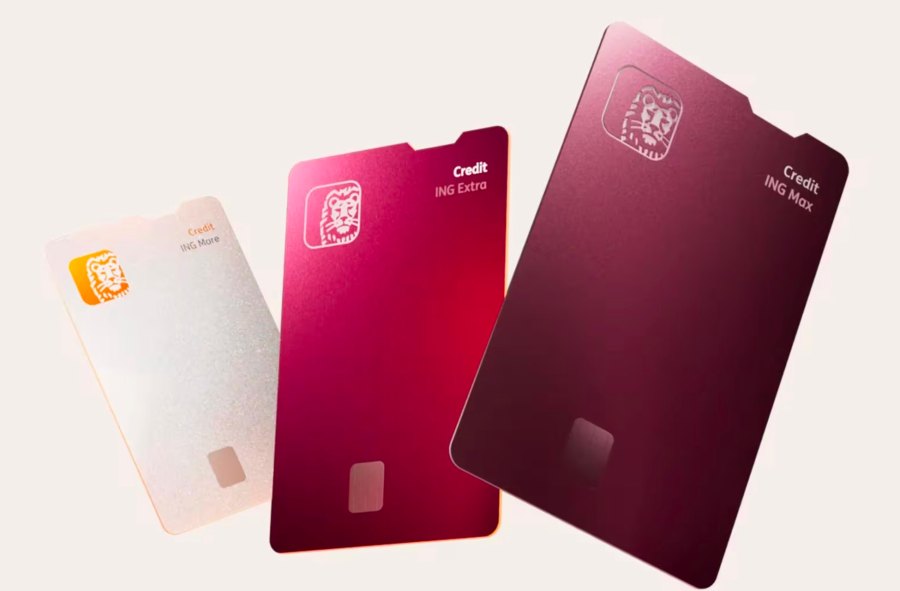
Let’s start with the good news. ING Deutschland chief Lars Stoy confirmed to dpa that customers should be able to buy their Christmas presents this year using an actual ING credit card. That’s right, the bank that’s been making do with Visa Debit cards is finally stepping into the big leagues.
Here’s why this matters more than you might think: A real Kreditkarte (credit card) operates differently from a debit card. When you use a debit card, the money leaves your account instantly. A true credit card offers a credit line, which is crucial for things like:
- Hotel bookings that block funds
- Car rentals that require real credit cards
- International purchases where debit cards sometimes get rejected
The current dynamic pricing models and consumer financial traps in Germany show how financial products can sometimes complicate rather than simplify. But honestly, the credit card is the straightforward part of this story.
The bank has been promising this since the product offensive was announced in 2025. The timing is strategic too, they’re missing out on summer travel revenue because customers need real credit cards abroad, so they’re targeting the Weihnachtsgeschäft (Christmas shopping season) instead.
The Real News: Your Free Account Might Not Stay Free
Now for the part that’s making long-time ING customers reach for the “cancel account” button. The bank confirmed it’s working on a unified subscription model with four tiers that should launch in Germany by mid-2027. Across other ING markets, these packages look like this:
ING Go
€4/month (basic)
ING More
€7/month (middle tier)
ING Extra
€15.99/month (premium)
ING Max
€44.99/month (luxury with extras like Disney+)
Current conditions in Germany: free if you have €1,000+ monthly incoming transfers or if you’re under 28. Otherwise, it’s €4.90 monthly. So the question on everyone’s mind: Will there still be a free tier?
Stoy isn’t committing. He promises a “competitive offering” but carefully avoids confirming free accounts will survive. That’s like your landlord saying they want to keep things “fair and competitive” while refusing to rule out doubling your rent.
Why Everyone’s Threatening to Leave (And Why Banks Don’t Care)
Here’s where it gets spicy. The prevailing sentiment among international residents and German customers alike is frustration. People who’ve been with ING for 10, 20, even 25 years are threatening to walk. Many say they’d rather deal with the hassle of switching banks than pay monthly fees for basic banking.
But here’s the uncomfortable truth: Switching banks isn’t as easy as switching your phone carrier. Your salary arrives via [your bank’s routing], your insurance payments are set up, and any automatic transfers need updating. For joint accounts (Gemeinschaftskonto), the process gets even more complicated. And there’s the Schufa (credit score) factor, your oldest account’s age contributes to your credit score.
Some users have already jumped to alternatives like C24, DKB, or N26. Others are considering going back to traditional banks like Sparkasse (savings bank), which is ironic, since Sparkasse’s fees were originally why many people fled to ING in the first place.
One commenter summed it up perfectly: “If I wanted to pay 5-20€ monthly for accounting, I would have stayed with Sparkasse.” Ouch.
The “Abo” Marketing Problem
Let me put on my marketing analyst hat for a second. Calling bank account fees an “Abo” (subscription) is either genius or tone-deaf, I can’t decide.
On one hand, presenting these as lifestyle packages makes them seem more valuable than “account maintenance fees.” You’re not paying for basic banking, you’re paying for an experience that includes insurance, streaming services, and travel perks.
On the other hand, Germans have a particular relationship with their money. They don’t want their bank to feel like a streaming service. And here’s a striking comment that captures the mood: “When I give someone my money and they can use it to issue loans, I’ve already done way more than enough for them.”
This isn’t just about ING being greedy. The entire German banking landscape is shifting. Traditional banking models are getting disrupted, and free banking was never truly sustainable, it was a customer acquisition strategy. Now that ING has millions of customers, they’re looking to monetize them.
What’s Actually in These Subscription Tiers?
If you’re an ING customer, or considering becoming one, you’re probably wondering what you’re actually getting for your money. Based on the models rolled out in other European markets:
Entry Level (€4/month)
You get basic banking, a current account, and a payment card. Essentially what costs €4.90 today in Germany but with a different wrapper.
Mid Tier (€7/month)
Adds insurance products, travel insurance, and maybe airport lounge access. If you book flights more than twice a year, this could actually pay for itself.
Premium tiers (€15.99-€44.99/month)
These bundle lifestyle services, insurance packages, premium travel perks, potentially streaming subscriptions. The €44.99 tier is basically banking mixed with lifestyle management. Whether anyone needs Disney+ bundled into their bank account is an open question.
The reality is: if you’re a basic banking customer, you’re probably paying more for less. If you’re someone who uses multiple financial products, the subscription might actually consolidate your costs.
A German Banking Reality Check
Let me share a perspective that rarely gets airtime in the outrage machine. The rising cost of living and financial pressure in Germany means banks need to adapt their models too. ING Group posted substantial profits, over 6 billion euros in 2025, but that doesn’t mean they’re not looking for new revenue streams.
As one commenter pointed out: “Of course they want to charge now, they’ve spent years acquiring customers with free accounts, and now they want to make money from them.”
This is just smart business. Germany’s stagnant median wealth ranking shows that most Germans don’t have vast sums sitting in banks, and the brutal math of long-term financial planning means banks can’t rely on interest margins alone.
The uncomfortable question: Would you rather pay €4-7 monthly for a bank you trust, or chase “free” accounts at banks that might disappear or downgrade services?
What Should You Actually Do?
Here’s my practical advice, with a cynical German twist:
If you’re under 28
Enjoy the free account while it lasts. But start checking alternatives now. Some banks like C24 currently offer genuinely free accounts with no conditions, that’s a viable backup plan if you need to manage irregular income.
If you’re happy with ING’s services
Wait for the actual pricing. If the €4/month tier is just rebranded versions of current fees, you’re not losing anything. If they eliminate the free tier entirely and make you pay €49/year for what used to be free, start shopping around.
If you’re ready to switch
Remember that comparing banks means looking at what you actually use. Do you need a credit card? Do you travel abroad? Do you use Apple Pay or Google Pay? The cheapest bank isn’t always the best deal.
The Bottom Line
ING is taking a calculated risk. They’ve been Germany’s favorite bank for years precisely because they offered free accounts and no-nonsense service. By introducing subscription models, they’re testing how much loyalty actually translates into willingness to pay.
Here’s what I think will happen: The €4/month tier will remain free-ish or at least affordable for most people, the premium tiers will be marketed to the type of customer who already has multiple banking products, and ING will keep most of their customers. The threats to leave are loud online, but managing personal finances in uncertain banking environments means most people will stick with the devil they know.
As for the credit card, if it comes with no annual fee and good conditions for international use, it might actually be worth switching your main banking to ING for. The problem is, they’re launching it right before subscription models take effect. Coincidence? Absolutely not.
Your bank is becoming a subscription service, just like your streaming platforms, your phone plan, and increasingly your groceries. The question isn’t whether ING will charge for banking, it’s whether the price will match the value.
And if you’re reading this thinking “I’ll just switch banks if it gets too expensive”, welcome to the club. Just remember that everyone else is thinking the same thing, and the alternatives might not stay free for long either.