
The promise sounds irresistible: electricity prices that drop to zero, or even go negative, when the sun is blazing and wind turbines are spinning faster than a Berlin club at 3 AM. Switch your washing machine to noon, charge your electric car at midnight, and watch your bills shrink. The reality? Most households end up paying more while providers pocket guaranteed fees and the truly savvy few with the right setup actually cash in.
The Too-Good-To-Be-True Hook That Reels You In
Here’s how they get you. You see headlines about “573 hours of negative electricity prices in 2025” and think: Free electricity! You imagine yourself as a financial genius, timing your dishwasher like a day trader. What the glossy ads don’t show you is the fine print that would make a German lawyer weep with joy.
The Reddit crowd has already figured this out. Some users report making literal cents per hour by running inefficient hardware during negative price windows, essentially earning enough for a roll of toilet paper per year. Others point out that even when the Börsenstrompreis (stock exchange electricity price) hits -€0.48/kWh, you’re still paying around €0.024/kWh in processing fees plus VAT. That’s not free, that’s just a very small discount on a very large problem.
The real kicker? That negative price moment you waited all week for gets consumed by your fridge, router, and the three phone chargers you forgot to unplug. Your “flexible” consumption is probably less than 10% of your total usage unless you’ve got specific hardware.
The Architecture of Hidden Costs
Let’s dissect where your money actually goes, because this is where dynamic tariffs reveal their true nature as a financial product designed for providers, not consumers.
The Fixed Fee Fortress
According to Finanztip’s analysis, provider fees for dynamic tariffs range from €100 to €500 per year. These aren’t optional add-ons, they’re the foundation of your bill. The Börsenstrompreis might swing wildly, but your Anbietergebühr (provider fee) sits there like a bouncer at Berghain, unimpressed and immovable.
- Anbietergebühr auf den Arbeitspreis: A per-kWh markup (typically 2-5 ct/kWh)
- Anbietergebühr auf den Grundpreis: A fixed monthly fee (€5-15/month)
Even if you manage to grab electricity at 15 ct/kWh during a sunny Tuesday afternoon, you’re still paying that provider markup, plus Netzentgelte (grid fees), Steuern (taxes), and Umlagen (levies). These fixed components represent roughly 60% of your total price, completely unaffected by your clever timing.
The Smart Meter Tax
Since January 2025, every German electricity provider must offer a dynamic tariff under §41a EnWG (Energy Industry Act). But here’s what they don’t advertise: you cannot use a dynamic tariff without a Smart Meter (intelligentes Messsystem).
For households consuming over 6,000 kWh annually, installation is mandatory. For everyone else, it’s “gradually being introduced”, German bureaucratese for “you’ll wait and you’ll like it.” The cost? Typically €100 extra for voluntary installation, or bundled into your tariff with creative accounting.
Many international residents report waiting weeks for installation appointments, despite Germany’s reputation for efficiency. The device itself isn’t the problem, it’s the administrative overhead, the technician scheduling, and the realization that your 1970s-era meter cabinet needs €300 of upgrades before it can accommodate modern technology.
The Automation Imperative: Why Manual Optimization is a Myth
You cannot succeed at this game without automation. Period.
The math is brutal: there are 8,760 hours in a year. Even with 573 hours of negative prices, you’re talking about 6.5% of the time. But those cheap hours aren’t conveniently clustered, they’re scattered across windy nights and sunny lunch breaks when you’re at work.
Without automation, you’re competing against algorithms. Your washing machine’s delay-start timer is cute, but it’s not checking the EPEX Spot Day-Ahead price forecast and adjusting to grid conditions.
- Smart wallboxes that automatically charge when prices drop below their threshold
- Heat pumps that pre-heat water during price dips
- Home Energy Management Systems (HEMS) that orchestrate everything
- Sometimes, server racks running distributed computing jobs
A typical family might shift 30-35% of their consumption to cheaper hours through sheer discipline. That sounds impressive until you realize it translates to maybe €30-50 annual savings, easily wiped out by one month where you forget to manually delay the dishwasher and it runs during peak evening hours at 45 ct/kWh.
The Profiles: Who Wins, Who Loses
The Clear Winners (300+ €/year savings)
Household Profile: 9,000 kWh annual consumption, heat pump, electric car, 9 kW PV system with battery storage
This is the golden combination. Your heat pump and wallbox represent 55-65% flexible load. Your PV system covers daytime use. Your battery captures cheap overnight power. You’re playing chess while everyone else plays checkers.
Realistic numbers:
- Fixed tariff cost: €3,051/year at 33.9 ct/kWh
- Dynamic tariff effective price: 30.5 ct/kWh
- Annual savings: €291
But achieving this requires €15,000+ in hardware and the technical know-how to integrate it all. This isn’t a hack, it’s a lifestyle.
The Marginal Cases (€30-50/year savings)
Household Profile: 4,500 kWh family, no EV, no heat pump, just disciplined appliance scheduling
You run the washing machine at noon, the dishwasher at 2 PM. You’re doing everything right. But your baseline consumption, cooking, lights, entertainment, still happens during expensive evening hours. Your savings barely cover the extra Messkosten (measurement costs).
The danger: One bad month where you’re sick and home all day running the heater, and your annual savings evaporate.
The Trap Victims (Paying MORE)
Household Profile: 2,500 kWh single household, minimal flexibility
You heard dynamic tariffs were the future. You paid for Smart Meter installation. You check prices manually. Your reward? Paying €47.50 MORE per year than a good fixed tariff.
Why? Your small consumption means even perfect optimization yields tiny absolute savings. The provider’s base fee and measurement costs dwarf any price advantage. You’re essentially subsidizing the crypto miners and heat pump owners.
The German-Specific Complications
This is where the German approach to energy policy creates unique friction. The EEG-Umlage (Renewable Energy Sources Act levy) and network fees are politically determined and regionally variable. In some Netzgebiete (grid areas), the fees are so high that even zero-cost electricity hours result in 15-20 ct/kWh final prices.
The bureaucracy doesn’t stop there. The Finanztip analysis reveals that many providers “hide” their dynamic tariffs, they’re not prominently advertised, sometimes requiring special applications. Why? Because they’d rather sell you profitable fixed tariffs. The dynamic offering exists to comply with §41a EnWG, not because they want you to use it.
Then there’s the data privacy angle. Your Smart Meter transmits consumption data every 15 minutes. That’s a detailed behavioral profile. While the Bundesnetzagentur insists on secure data handling, many privacy-conscious Germans view this as another surveillance vector, trading privacy for potential savings that may never materialize.
The Inflation Connection
Here’s where those internal links become relevant. Rising inflation eroding purchasing power makes every euro count more than ever. When your real income drops 25% in four years, saving €300 on electricity feels like a lifeline. But chasing that savings without proper setup is like managing essential household costs by moving to a cheaper apartment that’s 50km from work, the math works on paper, but the hidden costs destroy the benefit.
Energy costs have become a primary battleground for household financial stability. Dynamic tariffs prey on this desperation, promising control where many feel powerless. The psychological appeal is undeniable: Finally, I can do something about my bills. But financial products that require substantial upfront investment and technical expertise tend to benefit those who already have resources, not those struggling with energy poverty.
The Verdict: A Tool, Not a Miracle
Pros: When to Consider It
- Already have or plan to install a Smart Meter (free or low-cost)
- Own an electric vehicle with a smart wallbox
- Have a heat pump with flexible scheduling
- Possess a PV system with battery storage
- Are comfortable with automation technology
- Consume more than 6,000 kWh annually
Cons: Run Away If
- Live in a small apartment with basic appliances
- Rent and cannot modify electrical systems
- Lack the time or interest for technical optimization
- Have consumption under 3,000 kWh/year
- Prefer predictable monthly bills
The uncomfortable truth is that dynamic tariffs are Germany’s energy transition on micro-scale: environmentally logical, bureaucratically complex, and economically regressive. They reward those who can afford the entry ticket while presenting a mirage of savings to everyone else.
The next time you see someone bragging about their negative-price electricity wins, ask them about their setup cost. Then ask about their time investment. The real price of dynamic tariffs isn’t just measured in cents per kilowatt-hour, it’s measured in hardware, knowledge, and attention. For most of us, a good fixed tariff from a reputable provider remains the smartest financial decision.
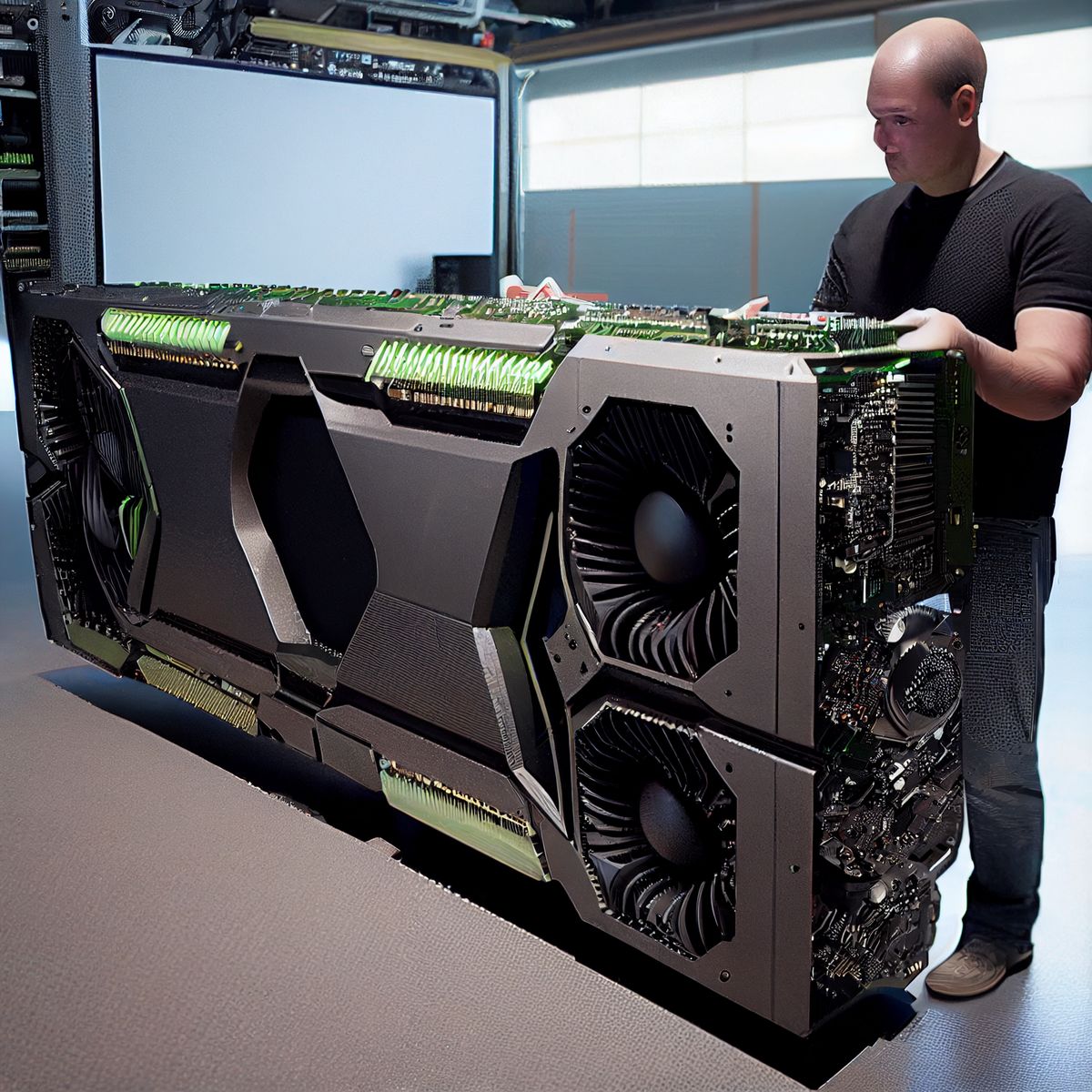
And that guy with the RTX 5090? He’s not printing money. He’s just found an expensive way to heat his apartment while wearing out €2,000 hardware. Don’t be that guy.