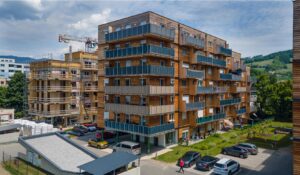
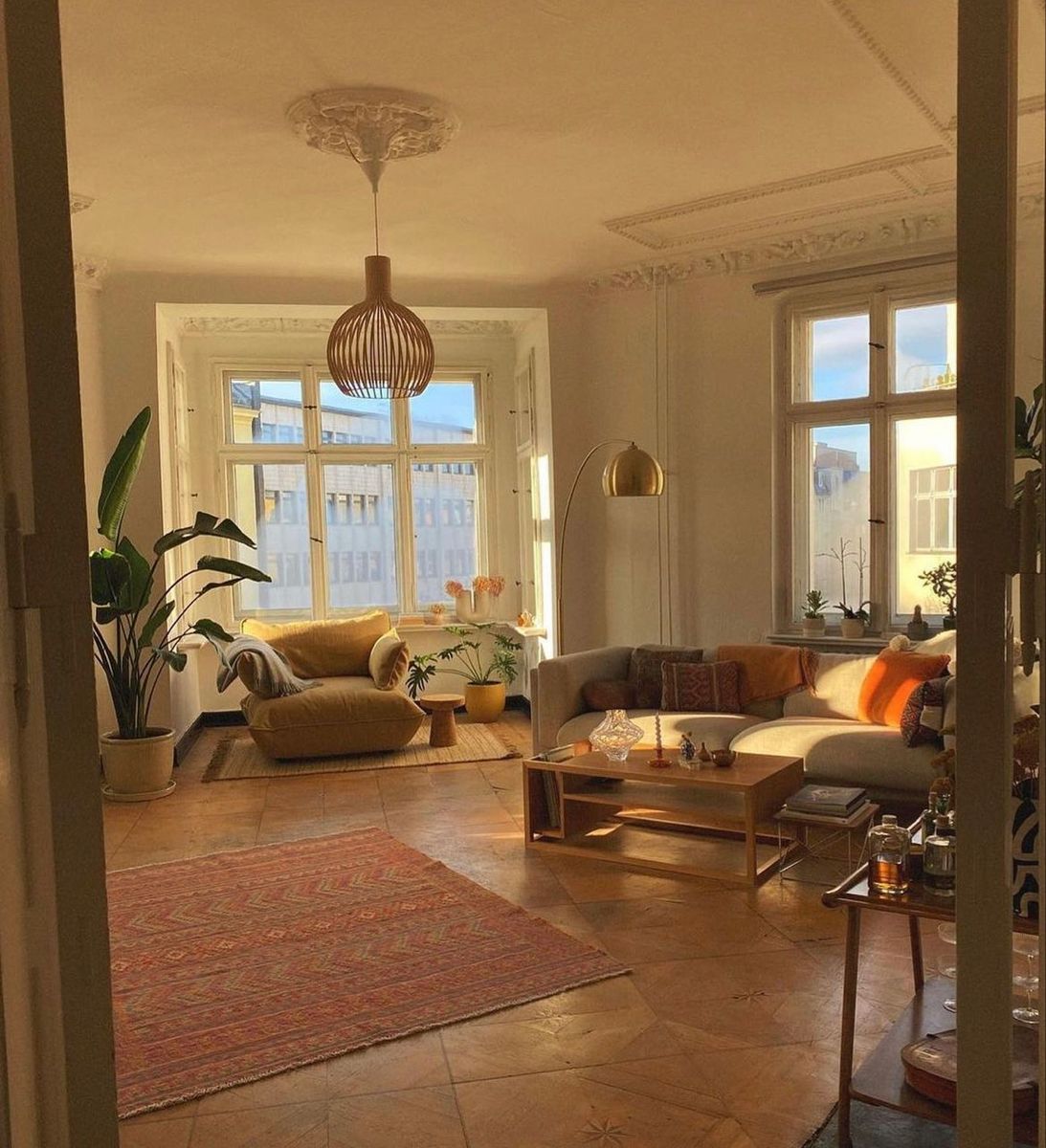
You’re sitting in a Viennese coffee house, third Melange (coffee with milk) in front of you, calculator app open on your phone. The numbers don’t lie: that €450,000 two-room Altbau (historic building apartment) in the fourth district would cost you €2,800 a month with current interest rates. Or you could keep renting your perfectly adequate place for €900 and dump the difference into ETFs. Your mother wants grandchildren in a “proper home.” Your portfolio wants compound interest. Welcome to Austria’s most expensive identity crisis.
The Brick-and-Mortar Addiction
Let’s call it what it is: Austria has a Wohneigentum (home ownership) fetish. According to Statistik Austria, 47% of Austrians live in owned property. Compare that to the measly 31% who own stocks, according to the Wiener Börse (Vienna Stock Exchange). The gap isn’t just statistical, it’s cultural. Austrian families don’t gather around the dinner table to discuss their MSCI World allocation. They discuss square meters, renovation costs, and whether the neighbor’s new balcony violates building codes.
Many international residents report waiting weeks for banking appointments in Vienna, despite Austria’s reputation for efficiency. This bureaucracy becomes even more intimidating when you’re trying to secure an Immobilienkredit (mortgage). The emotional pull of “eigene vier Wände” (own four walls) runs so deep that even financially sophisticated people convince themselves that paying 3% interest to a bank is somehow more virtuous than paying 3% rent to a landlord.
The prevailing sentiment among international residents is that Austrian bureaucracy ranks among the most confusing systems they’ve encountered. This confusion extends to the property market, where hidden costs can turn a “good investment” into a wealth trap.
The Math That Austrian Banks Don’t Want You to See
Here’s where things get uncomfortable. The MSCI World index has returned an average of 7.7% annually since 1970. Austrian property? In Vienna’s prime districts, you’re looking at maybe 3-4% annual appreciation, if you’re lucky and bought before the latest bubble. The math isn’t complex, but it is damning.
Detailed Breakdown
Take the classic example from Der Standard’s analysis: a couple with €100,000 down payment choosing between a €450,000 apartment or renting and investing. Over 40 years, the renter who invests the difference comes out significantly ahead, if they maintain discipline.
The homeowner pays Grunderwerbsteuer (property purchase tax) of 3.5%, Maklerprovision (agent commission) up to 3% plus 20% VAT, Notarkosten (notary costs) of 1.5%, and then faces ongoing maintenance costs of 1-2% of the property value annually.
That’s before we talk about the real Austrian property killer: Sanierungskosten (renovation costs). Your Altbau might have Jugendstil (Art Nouveau) charm, but it also has Jugendstil plumbing and Jugendstil wiring that hasn’t been updated since Franz Joseph was emperor. One new heating system and you’re down €30,000.
The Flexibility Tax Nobody Calculates
Liquidity Matters
Selling property in Austria costs you another 3% agent commission plus capital gains tax if you sell within ten years. Compare that to selling ETFs: a few clicks, €5 transaction fee, done. The emotional stress of trying to sell an Austrian property has driven many to accept lowball offers just to escape the Notar (notary) appointments and endless paperwork.
Life Changes Plans
Life doesn’t follow your 30-year financing plan. You get a job offer in Berlin. Your partner wants to move to the countryside. You realize the Gemeindebau (municipal housing) next door offers better quality for half the cost. Suddenly, that “investment” becomes an anchor.
Many newcomers express frustration, finding the Vienna rental market nearly impossible to navigate without local contacts. Ironically, this difficulty pushes people toward buying, even when it’s financially irrational. The system essentially punishes flexibility and rewards permanence, even if that permanence is expensive.
The Interest Rate Trap That’s Snapping Shut Right Now
Remember 2021? You could get a 1.15% fixed-rate mortgage in Vienna. Those days are gone. Current rates hover around 4-5%, which fundamentally changes the calculation. At 1.15%, buying could make sense. At 4.5%, you’re subsidizing the bank’s profits.
One commenter noted:
With current Kreditraten (loan rates), their mortgage payment would be double their current rent.
The alternative, staying in their affordable Genossenschaftswohnung (cooperative apartment) and investing the difference in ETFs, suddenly looks brilliant.
This is where the risks of buying rental property become starkly visible. That “cheap” Altbau apartment often comes with tenants paying Mietpreisbindung (rent-controlled) rates from the 1970s. You’re not buying an investment, you’re buying a social obligation.
Why Austrians Fear Stocks More Than Overleveraged Property
The Wiener Börse has done a terrible job marketing. While 47% of Austrians have property, only 31% own stocks. The fear is palpable: “Aktien sind Glücksspiel” (stocks are gambling), they say, while taking out a €400,000 loan on a single, illiquid asset in a city they might leave in three years.
Tax Reality
The Kest (capital gains tax) in Austria is 27.5% on investment profits, but here’s the secret: you only pay it on realized gains. Your property’s “unrealized gains” come with no tax bill, until you sell and get hit with Grunderwerbsteuer and all the transaction costs.
ETF Cost Advantages
The cost advantages of ETF investing have never been clearer. With fees now at 0.05% for some MSCI World ETFs, the transaction cost difference is brutal: €20,000 in property fees versus €50 in ETF fees for the same capital.
The Third Way: Genossenschaft and Grow
Down Payment
Take the difference, let’s say €80,000, and invest it.
Annual Returns
At 7.7% returns, that’s €6,160 annually.
Additional Savings
Your rent savings might add another €300 monthly to invest.
After 30 years, you’re looking at a portfolio of €1.2 million instead of a depreciating building that needs a new roof.
The accessibility of starting investing has improved dramatically. You don’t need to be wealthy to start. Many Austrian brokers now offer Sparpläne (savings plans) from €25 monthly.
The Vienna-Specific Reality Check
Let’s get hyper-local. In Vienna’s 9th district, a 60m² Altbau costs around €450,000. Rent for a similar unit: €900. The mortgage at 4.5% with 20% down: €1,850 monthly plus €400 Nebenkosten (utilities and building fees). That’s €1,350 extra monthly you could invest.

The process of buying property in Austria involves numerous steps and costs that can significantly impact your overall returns.
Over 30 years, investing €1,350 monthly at 7.7% gives you €1.89 million. The owned apartment? After 30 years of maintenance, taxes, and opportunity cost, it’s worth maybe €600,000, and you can’t sell just the kitchen to fund your retirement.
Even investment portfolio diversification strategies that include real estate investment trusts (REITs) offer better liquidity and diversification than a single Viennese apartment.
Making the Decision: A Framework for Austrian Residents
Forget the “always buy” or “always rent” dogma. Here’s what actually matters:
Buy If
- You’re staying 15+ years with 90% certainty
- Your total housing costs (mortgage, maintenance, taxes) are within 20% of equivalent rent
- You have 30% down payment to avoid overleveraging
- You’ve run the numbers with current interest rates, not 2021 rates
Rent and Invest If
- Your job might change locations
- Renting costs less than 60% of buying costs
- You’re comfortable with market volatility (spoiler: it’s less risky than a single property)
- You can automate monthly ETF investments and not panic during downturns
Consider the Hybrid
- Genossenschaftswohnung (cooperative apartment) for housing stability
- Aggressive ETF investing for wealth building
- This gives you Austrian-style security with global-market returns
Just don’t call it your “pension plan.” Call it your expensive hobby. Your real pension plan is the ETF Sparplan (savings plan) you set up today, automated, boring, and brutally effective.
Final Word: The Luxury of Choice
So treat this decision with the gravity it deserves. Run actual numbers with an Austrian mortgage calculator that includes all taxes and fees. Compare it to an ETF calculator with 27.5% Kest. Then, and this is crucial, ask yourself which choice lets you sleep at night.
Wealth is what you don’t see: the invested money, the flexibility, the optionality. Property is what you show off at dinner parties. In Austria’s current market, you rarely get both.
Choose wisely. Your 65-year-old self is watching.