
You walk into your local Edeka (grocery store) and the bill feels lighter. You fill up the tank and wince. You scroll through the news, and every headline, from the Wirtschaftsweisen (economic experts) to the latest ARD-DeutschlandTrend, seems designed to make you want to crawl under a blanket.
You are not imagining it. The mood has shifted. The latest ARD-DeutschlandTrend dropped a bomb: only 13 percent of Germans view the economic situation positively, a level not seen since the Euro crisis. A staggering 38 percent expect their personal financial situation to worsen over the next year. For the first time in a long while, Wirtschaft (the economy) has dethroned Migration (migration) as the nation’s top concern.
This isn’t just background noise for your morning coffee. This is the sound of a foundational assumption cracking: the idea that Germany, the export powerhouse, is an automatic guarantee of stability. So, what happens when the engine starts sputtering? And more importantly, how do you protect the financial life you are building here from the fallout?
The Numbers That Should Make You Squirm
Let’s look past the political theater, the falling approval ratings for the Merz government, the AfD climbing to 27 percent, and look at the cold, hard data that is fueling this fire. It is a confluence of crises that feels designed to make a portfolio weep.
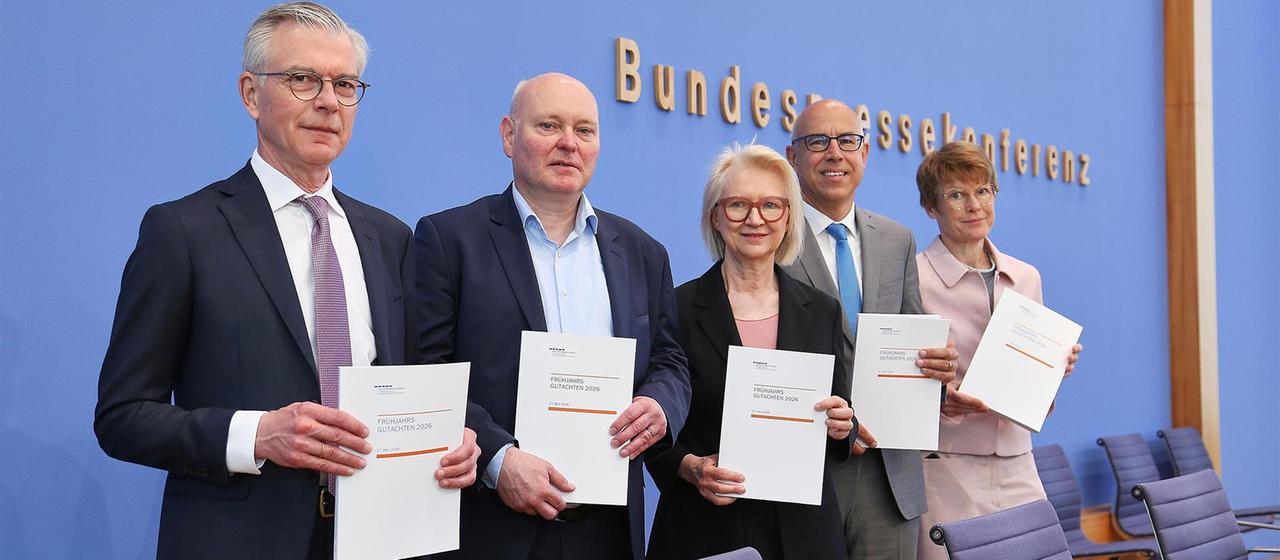
The Wirtschaftsweisen (economic wise men) just released their Frühjahrsgutachten (spring report). Their assessment? Bleak. They have slashed the 2026 growth forecast to a pathetic 0.5 percent. The IW (Institut der deutschen Wirtschaft) is even gloomier, predicting just 0.4 percent. The culprit? The Iran conflict has sent energy prices soaring, acting as a cold shower on any hope of a recovery. We are staring down the barrel of Stagflation, zero growth plus rising inflation.
What This Means for Your Wallet
- Inflation is Eating Your Raises: The IW predicts inflation hitting 3.0 percent in 2026. Any salary increase below that is a pay cut.
- Job Security is Questionable: German exports are expected to fall for the fourth consecutive year. When the factory orders dry up, the Kurzarbeit (short-time work) and layoff notices are not far behind.
- Your “Safe” Tagesgeldkonto (Savings Account) Might Be Safe, But It’s Shrinking: With inflation outpacing interest rates, your cash savings are losing real value every single day.
This isn’t just a “bad quarter.” The Sachverständigenrat (Council of Economic Experts) is warning that the Sozialversicherungsbeiträge (social security contributions) will hit 50 percent by 2040. Every euro you earn is increasingly spoken for before you even see it.
A prominent German economist recently put it bluntly: the government needs to prepare for “another year of stagflation or even a renewed recession with relatively high inflation.” This is the official prognosis. The floor is not the floor. The worry is that we haven’t hit bottom yet.
The Personal Finance Defense: Fortifying Your German Portfolio
Panic is not a strategy. But neither is ignoring reality. The right move now is to check your assumptions at the door and build a portfolio that can survive an “Abstieg” (decline). Here is how to translate the macro fear into smart, tactical moves.
1. Diversify Away from “Made in Germany”
This is the big one. It is tempting and patriotic to load up on the DAX, on Volkswagen, on Deutsche Bank. But the structural problems hitting Germany, high energy costs, Chinese competition in autos, demographic decline, are domestic problems. If you are an expat living in Germany, your income is already 100 percent dependent on the German economy. You do not need your portfolio to be double-exposed.
Your Depot (portfolio) should be your hedge against the country you live in. That means a heavy tilt toward global equities.
- Global ETF: Your core holding should be an MSCI World or FTSE All-World ETF. This gives you exposure to the US tech sector, emerging market growth, and healthcare innovation, sectors that are less tied to German industrial fortunes.
- Tilts to Resilience: Within your global allocation, consider tilting toward sectors that benefit from the current crisis: energy, defense, and healthcare.
- Avoid “Heimat-Bias” (Home Country Bias): The German index (DAX) is not your friend if Germany enters a prolonged slump. Keep your German stock allocation to 10-15 percent of your equities at most.
2. Fortify Your Emergency Fund (The Notgroschen)
In a recession, your biggest risk is being forced to sell your assets at a loss to pay for a broken Heizung (heating system) or a surprise dental bill. The Notgroschen (emergency fund) is your shield.
If the economic outlook is dark, you need to increase your cash buffer. Aim for 6 to 9 months of your Nettogehalt (net salary) in a high-yield Tagesgeldkonto or a Festgeldkonto (fixed-term deposit) that you can access quickly. This isn’t for growth. It’s for survival. It stops you from being a forced seller.
3. Protect Yourself from Rising Nebenkosten (Ancillary Costs)
The energy crisis is going to hit your Nebenkostenabrechnung (utility bill settlement) like a freight train. The Wirtschaftsweisen are predicting a 40-percent spike in heating oil costs. This isn’t a macro problem, it’s a line item on your rent statement.
- Audit Your Energy: Switch providers. Use Verivox or Check24 to find a cheaper electricity or gas tariff. Every euro saved on Nebenkosten is a euro that can go into your emergency fund.
- Hedge Your Rent: If you are renting, a Kaution (security deposit) of three months’ cold rent is standard. Make sure that deposit is in a Kautionskonto (official deposit account) earning interest, not sitting in the landlord’s pocket. In a recession, protecting your deposit is crucial.
The Long Game: Look for the Cracks of Light
It is easy to get buried in the doom and gloom. The ARD-DeutschlandTrend shows a nation that is tired, worried, and losing faith in its institutions. But bear markets and economic slumps are where long-term wealth is built.
- Buy When Others Are Fearful: Current market pessimism is high. While you should not be reckless, systematically investing during a downturn (through your ETF-Sparplan (savings plan)) allows you to buy stocks at a discount.
- Rethink Real Estate: The current real estate investment sentiment is divided, but falling prices and rising mortgage rates can create opportunities for cash-rich buyers who can negotiate.
- Reconsider Your “Altersvorsorge” (Retirement Planning): This is a perfect time to review your retirement strategy. Is your Riester-Rente (Riester pension) still good? Should you be maxing out your bAV (company pension)? The journey to your first million requires discipline, and a recession is the ultimate test of that discipline.
The Final Word
The ARD-DeutschlandTrend is not just a political snapshot. It is a chilling weather report for your personal finances. The storm clouds are gathering. The fear of wirtschaftlichem Abstieg (economic decline) is palpable. But you don’t have to be a passenger on this potential crash course.
The most successful financial moves in history are the ones made before the panic fully sets in. Diversify your portfolio away from Germany. Bulletproof your cash reserves. Tighten your household budget now, before inflation forces you to.
Germany might be facing a long, dark winter for its economy. But if you build a fortress now, you will not just survive it. You will emerge stronger, smarter, and ready to capitalize on the inevitable recovery. The fear is real. The action plan is in your hands. Don’t wait until the headlines get even worse.