
You finally sit down with your partner to map out the post-baby budget. The maternity leave countdown has started, and reality is knocking. You pull up the spreadsheet, coffee in hand, and there it is: 5,300 CHF annually for restaurants. That’s roughly 440 CHF per month – for two people who are about to have zero time, energy, or babysitting options. Someone online just pointed out this number is “a lot”, and they’re not wrong. But here’s the real kicker: this couple lives in Aargau, works in Zug, and somehow has zero savings beyond their mandatory Säule 3a (Third Pillar) contributions. Welcome to Swiss family finance, where even the privileged feel the pinch.
The Reddit budget that sparked this conversation tells a story I’ve seen repeatedly. A mid-30s couple, presumably earning decent salaries given their Zug employment, posts their projected numbers after maternity leave. The comments immediately zero in on the restaurant line item, but that’s just the appetizer. The main course is a financial system that quietly erodes wealth through cross-canton complexity, childcare roulette, and housing costs that laugh at your income.
The Cross-Canton Tax Trap Nobody Warns You About
Living in Aargau while working in Zug sounds smart on paper. Lower property prices, more space for your growing family, still close to Zurich’s economic hub. But you’ve just signed up for a bureaucratic tango that will cost you months of your life and thousands of francs in professional fees.
Here’s what happens: You’ll pay Quellensteuer (withholding tax) in Zug at source, but your actual tax liability gets calculated based on your Aargau residence. Zug’s famously low rates become a distant memory when Aargau’s Steueramt (Tax Office) sends the final bill. The difference isn’t trivial – we’re talking about potentially 5-15% more tax on the same income, depending on your Gemeinde (municipality). That “saving” on rent evaporates faster than free prosecco at a bank reception.
The budget in question shows this couple just moved a few months ago, which means their Nebenkosten (ancillary costs) are pure estimates. They admit it’s high – higher than their mortgage, which already raised eyebrows. In Aargau, these ancillary costs include everything from garbage collection to property maintenance funds, and they vary wildly by municipality. Get the estimate wrong, and you’re either bleeding cash monthly or facing a brutal Nachzahlung (additional payment) next year.
The Kita Cost Lottery: Your Postcode Determines Your Fate
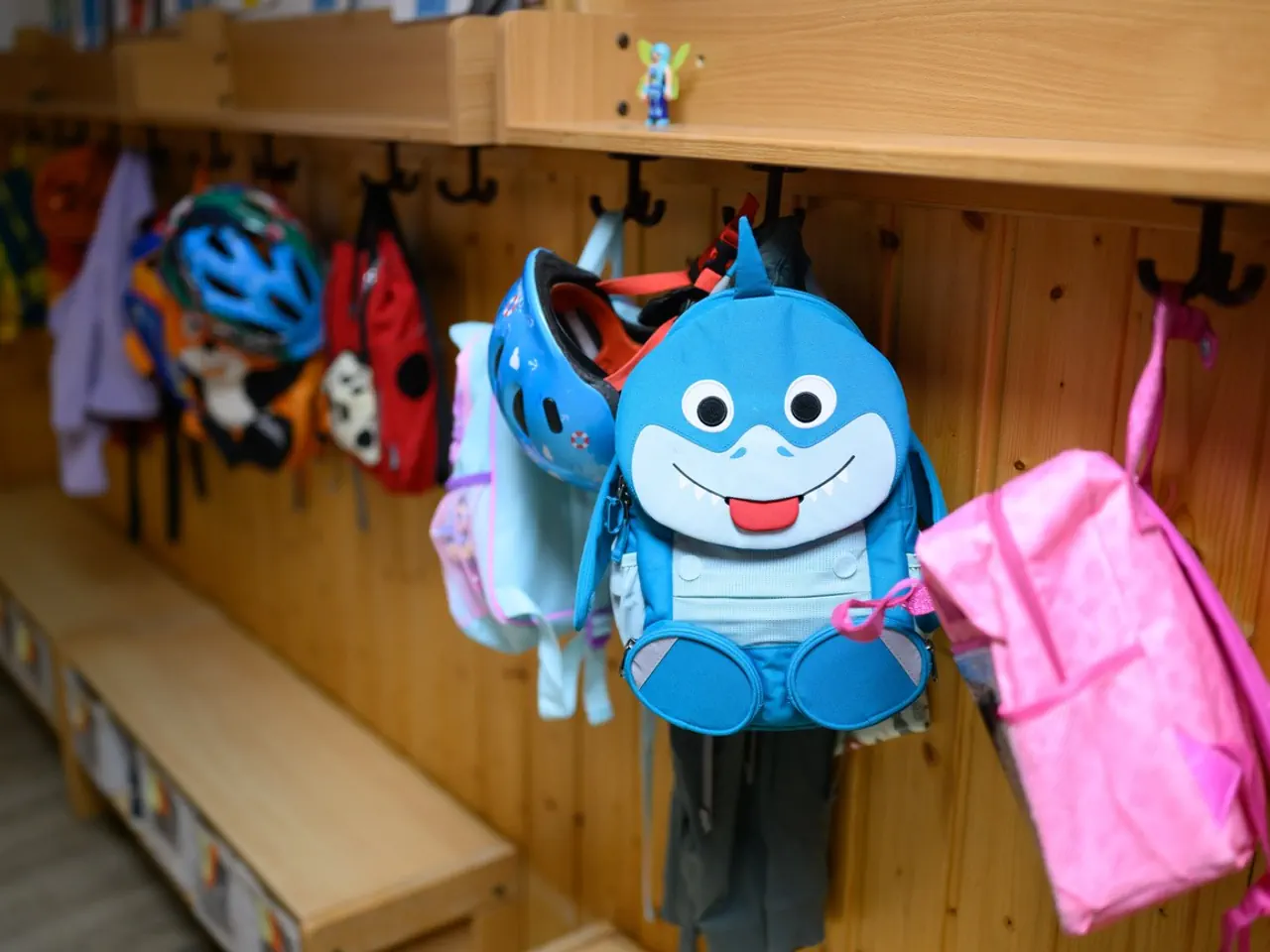
Now for the childcare bombshell. This couple mentions they’re “pretty lucky with our family-kita situation”, which translates to: they probably have grandparents nearby or secured a subsidized spot. For everyone else, the numbers are brutal.
A recent SRF analysis confirms what parents already know – Kita (childcare) costs differ massively across Switzerland. The study from Avenir Suisse highlights that while some cantons pour money into institutions, others (more efficiently) support parents directly through vouchers. But efficiency doesn’t mean affordability. In Zurich, you’re looking at 2,000-3,000 CHF monthly for a full-time Kita spot. In more subsidized cantons like Vaud or Geneva, it might drop to 1,200-1,800 CHF. Aargau sits somewhere in the middle, but good luck finding an available spot.
The federal government just passed a Kita law promising Betreuungszulagen (childcare allowances), but here’s the catch: cantons decide how to implement them. Aargau might give you 200 CHF monthly, Zug could offer 400 CHF. Your budget needs to bridge that gap for years, and most couples don’t realize this until they’re already pregnant and on waitlists.
The Restaurant Budget Isn’t the Problem – It’s a Symptom
Let’s address the 5,300 CHF elephant in the room. Commenters called it excessive, others defended it as “not even 100 CHF weekly.” Both miss the point. This line item represents the last gasp of a pre-baby lifestyle that will vanish anyway, as one commenter bluntly noted: “this category will just magically vanish for a few years.”
But here’s what concerns me more: this couple has no liquid savings. Their only “savings” is the mandatory Säule 3a (Third Pillar) contribution tied to their mortgage amortization. They’re house-rich and cash-poor, which is a terrifying place to be with a newborn. One medical emergency, one unexpected renovation, one job loss away from crisis.
This pattern shows up constantly in Swiss budgets. The combination of high fixed costs – mortgage, Nebenkosten (ancillary costs), insurance, pillar contributions – leaves little for actual savings. When maternity leave cuts income by 20-40% (after the 80% salary replacement expires), something has to give. Usually it’s the “fun” categories like restaurants, but the real issue is the structural rigidity.
Why Your Nebenkosten Are Eating Your Wealth
The budget shows Nebenkosten higher than the mortgage itself. That’s not a typo – it’s Swiss property ownership. These ancillary costs include:
- Property maintenance funds (often 0.5-1% of property value annually)
- Garbage collection (150-300 CHF annually)
- Water and sewage (500-1,000 CHF)
- Building insurance
- Communal taxes and contributions
In Aargau, these costs scale with property value, so that “affordable” house in the suburbs comes with a hidden subscription to municipal fees that rivals your mortgage interest. The couple admits their number includes future renovations, which is smart but also reveals a harsh truth: Swiss properties require constant investment, and most buyers severely underestimate this.
This is where identifying recurring monthly expenses becomes crucial. That 5,300 CHF restaurant budget might be easier to slash than the 12,000 CHF in fixed ancillary costs that hit your account like clockwork.
The Swiss Wage Trap Nobody Talks About
Here’s the uncomfortable truth: this couple likely earns well above median Swiss income, yet they’re still treading water. They’re experiencing the same Swiss wage stagnation context that traps wealth management directors. Base salaries haven’t moved meaningfully since 2014, but fixed costs have exploded.
Your 120,000 CHF salary in 2015 bought you a very different lifestyle than it does in 2026. Health insurance premiums? Up 40%. Property prices? Up 60% in Aargau. Kita costs? Up 50%. Restaurant prices? That 5,300 CHF budget buys you fewer meals each year.
When maternity leave hits, you’re not just losing income temporarily. You’re losing ground in a system where costs outpace wages, and your tax situation becomes more complex precisely when you have less bandwidth to manage it.
What Actually Works: A Reality-Based Swiss Family Budget
1. Cantonal arbitrage is real, but calculate the total cost. That cheaper Aargau house needs to save you at least 20,000 CHF annually to offset higher taxes and potentially longer commutes. Use the official cantonal tax calculators before you move, not after.
2. Treat Kita costs like a second mortgage. Start saving 1,500-2,000 CHF monthly before you conceive. This builds the habit and creates a buffer for when you finally get a spot 18 months later. If you secure a subsidized place, redirect that money to actual savings.
3. Restaurant spending will die naturally. Don’t waste energy judging it. Instead, focus on the structural issues: can you refinance your mortgage? Renegotiate insurance? Challenge your Nebenkosten (ancillary costs) estimate with the property manager? These moves save thousands, not hundreds.
4. Build a “Swiss bureaucracy buffer.” Set aside 5,000 CHF specifically for tax advisor fees, permit renewals, and unexpected Gemeinde (municipality) charges. Cross-canton families need professional tax help – it’s not optional.
5. The 3a is not savings. It’s tax optimization. You need separate, liquid emergency funds. Aim for 3-6 months of reduced post-baby expenses, not your current lifestyle costs.
The Bottom Line: Your Budget Isn’t Failing, The System Is Just Expensive
That 5,300 CHF restaurant budget? It’s a red herring. The real story is how a dual-income, property-owning couple in one of the world’s wealthiest countries can have zero liquid savings. The cross-canton complexity, the Kita postcode lottery, the relentless Nebenkosten (ancillary costs) – these are the actual villains.
The controversial part isn’t the restaurant spending, it’s that Switzerland’s family support system assumes you have a village (or at least grandparents) to fill the gaps. Without that, you’re one unexpected bill away from financial stress, regardless of your income bracket.
So before you judge that restaurant line item, check your own Nebenkosten, Kita waitlist position, and cross-canton tax differential. You might find your own budget has bigger problems than where you eat dinner.