

The 150K Trap: Why Swiss Wealth Management Directors Are Stuck in a Decade-Old Pay Freeze
A freshly promoted UBS director expects champagne, gets sparkling water. Here’s the unfiltered truth about Swiss banking compensation, where base salaries haven’t moved since 2014, but CEO pay hit 14.9 million.

You’ve just cracked the code. After a decade of corporate chess, endless nights polishing PowerPoints, and navigating the Byzantine politics of a Swiss banking floor, you’ve landed the promotion: Director at UBS Wealth Management. The champagne’s on ice, you’re mentally redecorating your Zürich apartment, and then, reality delivers a gut punch.
150,000 CHF base. Maybe 10% bonus. Same numbers since 2014.
Welcome to the Swiss banking compensation paradox, where the view from the top isn’t quite what the climb promised.
The Salary Time Machine That Won’t Budge
Here’s what industry insiders confirm: a freshly minted Director within UBS Wealth Management can expect a base salary hovering around 150,000 Swiss francs. The bonus? Typically that 10% kicker, pushing your total compensation to roughly 165,000 CHF. If you’re feeling underwhelmed, you’re not alone.
Many professionals report this figure has remained frozen for over a decade, creating a bizarre time warp where your 2025 salary buys significantly less in one of Europe’s most expensive markets. The frustration runs deep—imagine grinding through corporate hierarchies only to discover a junior developer at Google outpaces your earnings without the political minefield.
Analyst (Investment Banking): 120,000 CHF base right out of university
Associate Officer: Often begins at the same 120k mark
Your Position: Two rungs higher, extra 30k and fancier business card?
When Your Boss Earns 100 Times More
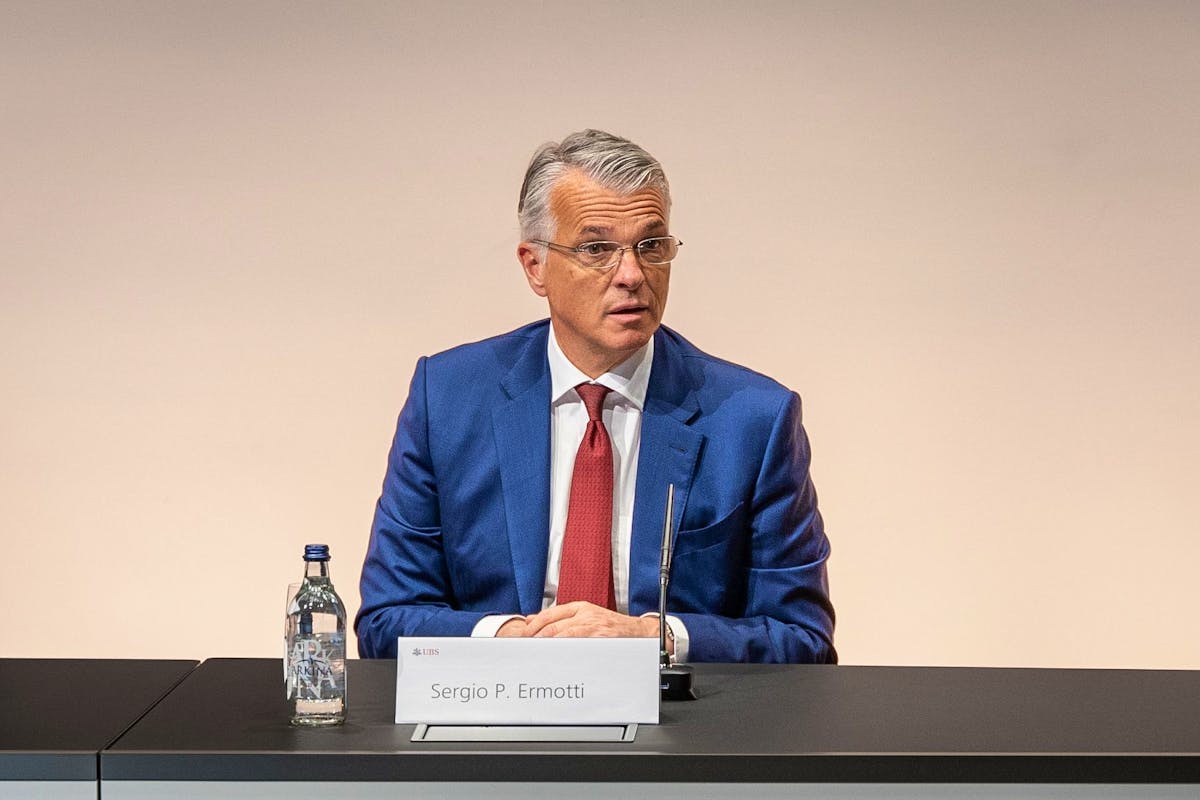
Let’s talk about the elephant in the boardroom: CEO compensation. While directors wrestle with stagnant pay, UBS CEO Sergio Ermotti pocketed 14.9 million francs last year—2.8 million in base salary, with a staggering 12.1 million in variable components. That’s roughly 90 times what a standard director earns.
Julius Bär’s CEO Stefan Bollinger wasn’t far behind at 8.27 million CHF. Even the President of the Swiss National Bank, Martin Schlegel, earned 1.016 million francs (plus another 78,898 CHF for his board seat at the Bank for International Settlements).
The gap isn’t just wide—it’s Grand Canyon territory. And it raises an uncomfortable question: if the bank can justify nine-figure CEO packages, why has director-level compensation flatlined since the iPhone 5 was revolutionary?
The Bonus Battle: Why Your Variable Pay Is Under Siege
Here’s where Swiss politics enters your wallet. The Ständerat (Council of States) recently voted 32 to 9 to reject a complete ban on bonus payments for systemically important banks like UBS. The National Council had pushed for stricter rules after the Credit Suisse collapse, but the upper house decided a full prohibition “goes too far.” Finance Minister Karin Keller-Sutter called the proposed ban “rechtsradikal” (legally radical), arguing it would eliminate important incentives.
The compromise? Banks must revise compensation systems to ensure bonuses don’t create perverse incentives, meaning no massive payouts if business success evaporates.
For you, this regulatory dance means two things: first, bonuses aren’t disappearing, but second, they’re increasingly tied to metrics you probably can’t control. Your 10% variable component lives another day, but don’t expect it to grow substantially.
The Private Bank Escape Hatch
Feeling trapped? Many directors are. The insider consensus reveals a critical escape route: smaller private banks often pay “significantly more” for equivalent roles. While UBS directors wrestle with corporate bureaucracy and standardized pay bands, boutique wealth managers compete aggressively for talent.
One contact noted that even at “small private banks” the compensation packages outpace UBS significantly. The trade-off? Less brand prestige, potentially smaller deal flow, and a different client demographic.
But when we’re talking differences of 30-50% in total compensation, that trade-off starts looking attractive.
The Real Numbers: What Swiss Banking Actually Pays
- Analyst 1 (Investment Banking): 120,000 CHF base
- Associate Officer: 120,000 CHF starting
- Director (Wealth Management): 140,000-150,000 CHF base + 10% bonus
- Executive Director: Variable, but often not proportionally higher
- UBS CEO: 14,900,000 CHF total (2.8M base + 12.1M variable)
- Julius Bär CEO: 8,270,000 CHF total
- Novartis CEO: 25,000,000 CHF (for comparison across Swiss executives)
The pattern is clear: once you hit director level, the compensation curve flattens dramatically. The real money concentrates at the very top, while middle management fights over scraps.
Why HR Will “Always Try to F*** You”
A veteran banker put it bluntly: “HR WILL ALWAYS try to f*** you in negotiations. Even though it’s not their money they are paying you, people just love to be stingy.”
This isn’t paranoia—it’s Swiss banking culture. The compensation system operates with rigid bands and “historical fairness” principles that punish ambition. Your negotiating leverage? Surprisingly limited. The bank knows the market rate, and they’ve collectively decided 150k is the magic number.
The advice from those who’ve survived? Push hard on your base during initial hiring. Once you’re in the system, raises become incremental and political.
And consider the total package: pension contributions (BVG/LPP), health insurance subsidies, and those subtle Swiss perks that don’t show up in your monthly payslip but matter for your net worth.
The Currency Trap Making You Poorer
Here’s a twist many miss: even if your CHF salary stays flat, you’ve become “hella expensive” in USD and GBP terms over the last decade. The Swiss franc’s strength means your 150k today costs international clients and employers significantly more than in 2014.
This currency appreciation quietly erodes your global purchasing power and makes Swiss-based roles vulnerable to offshoring. Why pay you 150k in Zürich when a director in London or Singapore costs 30% less in real terms?
Navigating the System: What Actually Works
Jump Ship Strategically
The biggest pay bumps come from moving between banks, not internal promotions
Target Boutiques
Private banks and smaller players pay premiums for UBS-brand credibility
Negotiate the “Soft” Stuff
Extra vacation, flexible work, and training budgets are easier wins than base salary
In wealth management, your client relationships are your real leverage—nurture them.
Consider leaving Switzerland: Many report that director-level roles in London or Frankfurt offer better growth trajectories, even with higher taxes.
The harsh reality? Your 150k director salary in Zürich might afford you a comfortable life, but it’s not building generational wealth.
After taxes, social contributions, and Switzerland’s eye-watering cost of living, you’re saving less than a mid-level manager in a German Mittelstand company.
When you compare mid-level earnings to executive benchmarks in DACH finance, the Swiss banking promise starts looking suspiciously like a gilded cage. The view from the top is nice, but the pay stub feels eerily familiar to your younger self’s.
The Swiss banking system operates with the same reliability as an SBB train, usually impeccable, until you realize you’ve been riding the same compensation car for twelve years while the executives upgraded to first class.