


Picture this: You’re sitting at your kitchen table in your Frankfurt apartment, sorting through mail while your toddler builds a tower of Duplo blocks. Between the electricity bill and yet another Werbung (advertisement) from your local Sparkasse (savings bank), there’s an official-looking letter from your Krankenkasse (health insurance fund). You open it, expecting the usual bureaucratic nothingburger. Instead, you get punched in the gut: starting next year, your spouse’s free co-insurance is gone. You now owe an extra 225 Euro every month. That’s 2,700 Euro a year, poof, vanished from your already stretched budget.
Welcome to Germany’s latest Sozialreform (social reform), where the government’s solution to a gaping deficit in the gesetzliche Krankenversicherung (statutory health insurance, GKV) is to turn marriage into a line item expense.
What’s Actually Changing (And Why You Should Care)
Here’s the deal: Right now, if you’re employed and publicly insured in Germany, your non-working spouse can ride along on your policy for free. No extra premiums, no paperwork nightmares, just show your eheliches Band (marital bond) and you’re golden. This Familienversicherung (family insurance) has been a quiet pillar of German social security, covering roughly three million adults who either stay home with kids, are between jobs, or earn less than 565 Euro a month.
The coalition, yes, the same one that promised stability after the last election, wants to kill this. According to Handelsblatt reports from Koalitionskreisen (coalition circles), they’ll introduce a Mindestbeitrag (minimum contribution) of 225 Euro monthly: 200 Euro for health insurance, 25 Euro for Pflegeversicherung (nursing care insurance). Exceptions exist for families with children under six or those caring for pflegebedürftige Angehörige (relatives in need of care), but everyone else? You’re paying.
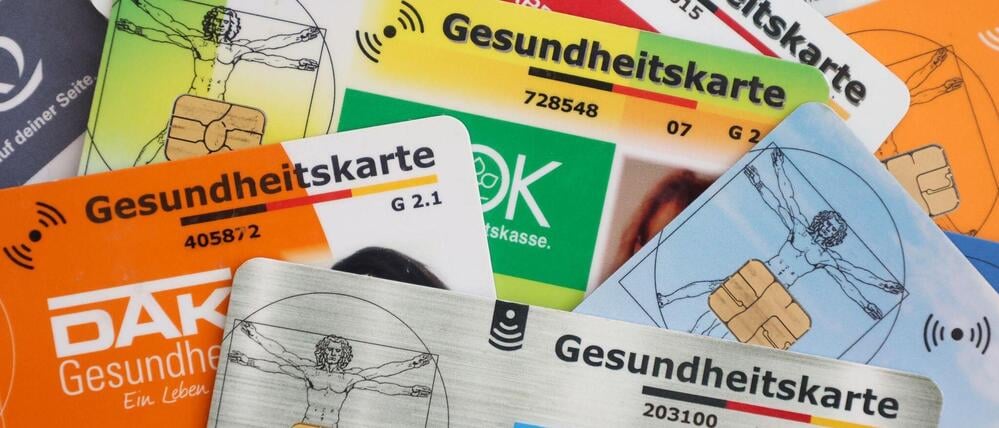
The justification from Berlin sounds almost reasonable: The Krankenkassen face a Milliardendefizit (billion-euro deficit), with spending growing faster than revenue. Health Minister Nina Warken’s team argues this reform will both plug the hole and nudge stay-at-home spouses back into the workforce. Ökonomen reportedly applaud the move, calling it an “Arbeitsanreiz” (incentive to work).
But let’s be honest, that’s political Sprech (speak) for “we need cash and this group can’t fight back.”.
The Math That Doesn’t Add Up
The government estimates this will save a “niedriger einstelliger Milliardenbetrag” (low single-digit billions) annually. Spread across the three million affected adults, that’s roughly 2,700 Euro per person per year, exactly the 225 Euro monthly they’re proposing. The numbers line up perfectly, which should make you suspicious.
What the official line doesn’t mention is who actually bears this cost. Many international residents report that young families in Germany already run on tight margins. In most urban centers, a single income won’t cover Warmmiete (warm rent) plus living expenses. The reality? Most mothers return to work after parental leave, often Teilzeit (part-time), because they have to.
The stereotype of the permanently non-working Hausfrau (housewife) is mostly just that, a stereotype. Yes, some Boomer-generation wives never returned to work after their kids left home, but they’re heading into retirement anyway. The real victims are different.
Who Actually Gets Crushed
Meet the hidden targets:
The Recent Immigrant
Your spouse has a medical degree from Tehran or Bangalore but is stuck in Anerkennungsbehörde (recognition office) purgatory. They’re learning German, volunteering, and earning 400 Euro at a Sprachschule (language school) while their credentials get recognized. That 225 Euro charge? It’s a penalty for not having a job they legally can’t yet hold.
The Startup Spouse
You moved to Berlin for your partner’s tech job. You’re freelancing, building a client base, earning 500 Euro a month while networking. Under current rules, you’re covered. Under the new rules? You either pay 225 Euro or lie about your income, a crime with Nachzahlungen (back payments) that can hit several thousand Euro.
The Caregiver
Your spouse stays home because daycare for two kids under six would cost 800 Euro monthly, and your combined income is 3,500 Euro net. The reform promises an exception for kids under six, but what happens when the youngest turns seven? You’re either 225 Euro poorer or forced to work just to cover the new insurance cost plus daycare, a zero-sum game that leaves you exhausted.
Many newcomers express frustration that the system punishes precisely the families who are trying to make it work without state handouts. This isn’t about luxury, it’s about staying afloat.
The Private Insurance Trap
Here’s where it gets spicy. Critics warn this reform could backfire spectacularly by making private Krankenversicherung (private health insurance, PKV) more attractive. If you’re a Gutverdiener (high earner) hovering just under the Beitragsbemessungsgrenze (contribution assessment ceiling), you might crunch the numbers and realize: “For 225 Euro, I could get private coverage with better service.”.
The risk? A mass exodus of healthy, high-income members from the GKV. That would leave the public system with sicker, older, poorer patients, a death spiral that raises premiums for everyone left behind. Martin Albrecht from IGES points this out explicitly: “Besonders problematisch für die Krankenkassen dürfte sein, dass ein Mindestbeitrag den Wettbewerb mit den privaten Krankenversicherungen verschärft.”.
This is the dirty secret of German health policy: every “reform” that makes the GKV less attractive nudges the whole system closer to a two-tier nightmare where the wealthy opt out and the rest fight over scraps.
The Intergenerational Heist
Scroll through any discussion about this reform and one sentiment dominates: “Wir nehmen von den Familien und verteilen es an Rentner.” (We take from families and give to retirees.)
The anger is palpable. Young families feel they’re paying for a demographic pyramid scheme where their grandparents’ generation wrote generous checks to themselves that the grandchildren must now cover. The numbers support this rage: while families face new costs, the coalition has been notably quiet about raising contributions for pensioners or taxing the massive wealth accumulated by older generations.
One particularly bitter comment captures the mood: “Wir Jungen werden gerade von der Politik ausgespielt. Mir völlig schleierhaft, wie man DEN gesellschaftlichen Konflikt unserer Zeit und unseres Landes nicht sehen kann.” (We young people are being played by politics. I can’t understand how you can’t see THE social conflict of our time and country.)
This isn’t just about health insurance anymore. It’s about fairness, about whether Germany’s social contract can survive when every crisis becomes an excuse to squeeze the middle.
What You Can Actually Do Right Now
Enough complaining. Let’s talk strategy.
1. Audit Your Status: Check if your spouse is currently familienversichert (family-insured). The Krankenkasse sends an annual questionnaire, make sure your income calculations are accurate. Werbungskosten (advertising costs/expenses) of 1,230 Euro annually can raise the income limit to 667.50 Euro monthly for employees.
2. Calculate the Hit: If you earn 4,000 Euro gross, the 225 Euro monthly fee represents a 5.6% net income cut. Use that number to pressure your employer for a raise or negotiate remote work to save on commuting costs.
3. Consider the PKV Switch: If you’re a high earner, run the numbers. Private insurance might offer better value, but watch out: PKV gets expensive with age and family size, and you can’t easily return to the GKV. For a deep dive, see our analysis on alternatives like switching to private health insurance.
4. Time Your Life Changes: Planning a baby? The under-six exception might influence timing. Thinking about a career break? Do the math on whether it’s worth it.
5. Join the Noise: Socialverbände (social associations) are mobilizing against this. Add your voice. The coalition is still waiting for Warken’s expert commission report, pressure works.

The Real Problem No One Wants to Fix
Here’s what infuriates policy watchers: the Krankenkassen deficit isn’t primarily caused by three million co-insured spouses. It’s driven by structural issues, drug prices, administrative bloat, an aging population, and the fact that Germany spends 369 Milliarden Euro (billion euros) annually on healthcare with costs rising 4% year-over-year.
Ending free spousal insurance is a Symbolpolitik (symbolic politics) move. It’s visible, it generates revenue, and it targets a group that’s politically weak. Real reforms, like merging the 100+ Krankenkassen to cut overhead, forcing pharmaceutical companies to accept reference pricing, or making Beamte (civil servants) pay full GKV contributions, would anger powerful lobbies.
Instead, they chose the path of least resistance: family budgets.
Final Thought: The Death of the German Dream?
For decades, Germany sold itself as a place where you could build a stable middle-class life, one where a single solid income could support a family with reasonable security. This reform, combined with exploding housing costs and stagnant wages, shreds that promise.
The message is clear: if you want to live here, both partners must work, preferably full-time, from the moment parental leave ends. Any deviation, any attempt to start a business, care for family, or simply survive while job-hunting, comes with a 225 Euro monthly penalty.
Is that the Germany you signed up for? Because that’s the Germany you’re getting.
The coalition will present Warken’s expert commission report soon, and the final decision will follow. Until then, check your coverage, sharpen your pencil, and maybe start a conversation with your partner about whether that second income is worth the logistical nightmare. The Krankenkasse certainly thinks it is.