
You’re 31, working IT at a DAX corporation (German stock index company), and you’ve just cracked the code. Five years ago, you started with a modest 200€ monthly ETF-Sparplan (ETF savings plan). Now you’re pumping 2000€ every month into your portfolio. Your colleagues think you’re a financial wizard. Your parents, simple retail and trade workers, don’t understand how you do it. But here’s what they don’t see: that 10x scaling has transformed you from a relaxed hobby investor into someone who loses sleep when the Nikkei hiccups at 3 AM.
This isn’t another “just invest more” cheerleading session. This is about what happens after you’ve optimized your expenses, negotiated your salary, and suddenly find yourself with serious monthly capital to deploy. The research data from a real German investor’s journey reveals that scaling from 200€ to 2000€ monthly isn’t just a bigger number, it’s a fundamentally different financial beast.
The Numbers That Look Impressive Until You Dig
Let’s start with the raw data. Our Reddit protagonist, a 31-year-old with only vocational training (Ausbildung) and zero family financial support, now invests roughly 2000€ monthly. He lives in southern Germany, pays 1200€ Warmmiete (warm rent including utilities) for 75 square meters, and works in IT for a DAX-listed company. No inheritance, no parental safety net, just pure salary optimization and disciplined saving.
His portfolio? A 50/50 split between A1JX52 (Vanguard FTSE All-World) and A0X8ZS (iShares MSCI EM IMI). He openly admits it’s risky. The comments section exploded with two questions: “How do you save that much?” and “What exactly do you do for work?” The answer, IT at a DAX corporation, tells you everything about modern German salary structures. While traditional Ausbildung paths in Handwerk (craft trades) might top out at 3,500€ gross, IT specialists at major German corporations can clear 5,000-6,000€ netto without a university degree.
But here’s the first uncomfortable truth: scaling reveals your risk concentration. When you’re investing 200€ monthly, a 50% emerging markets allocation is a minor volatility blip. At 2000€ monthly, that same allocation means watching 1000€ vaporize during a Turkish lira crisis or Chinese regulatory crackdown. The absolute numbers start messing with your head.
The Lifestyle Math Nobody Wants to Discuss
The most upvoted comment asked the obvious: “How do you set aside 2k monthly?” Our investor’s answer, “I don’t need more to live and the 2k is left over every month”, sounds simple. But dig deeper. He moved out at 21 and has been in rental apartments ever since. No car payments draining cash. No 20,000€ annual Urlaub (vacation) budget like some commenters admitted to. This is where the scaling debate gets spicy.
Many international residents in Germany report that the biggest adjustment isn’t the bureaucracy, it’s the cultural expectation of what constitutes a “good life.” Your German colleagues take three-week summer holidays to Mallorca. They drive company cars (Dienstwagen) leased through elaborate salary conversion schemes. They renovate their kitchens every seven years because “that’s just what you do.” Scaling your Sparplan to 2000€ monthly often means explicitly rejecting these norms.
One commenter confessed: “I probably blow 20k a year on vacation, if I didn’t, it would go to the depot.” That’s the trade-off in plain German. The 2000€ monthly investor has made his choice. Have you?
Why Your Portfolio Strategy Must Evolve With Scale
Our protagonist started with 80% emerging markets, took a 10,000€ hit, and is now adjusting. This is classic scaling pain. When you’re investing 200€ monthly, you can afford to be aggressive because your absolute exposure is low. At 2000€ monthly, a 10% drawdown means 2,400€ evaporated, real money that could have been a weekend in Berlin or a new laptop.
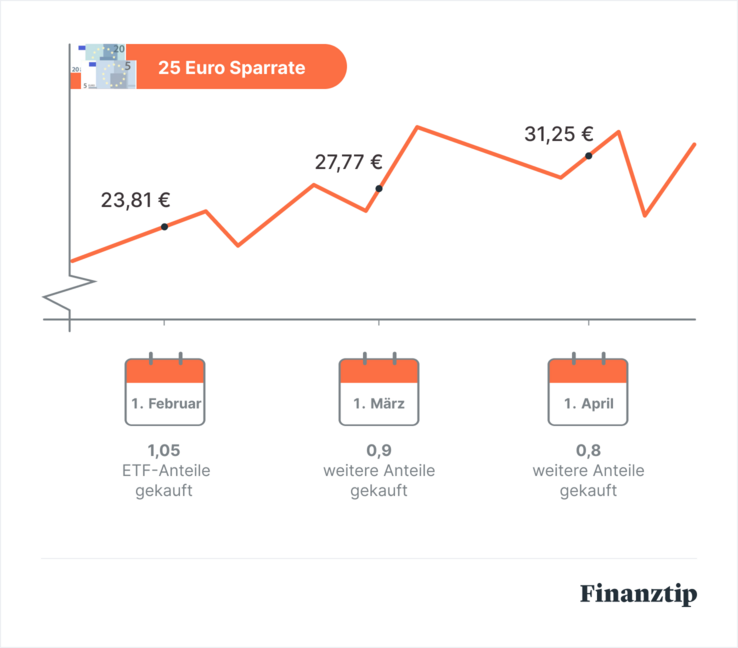
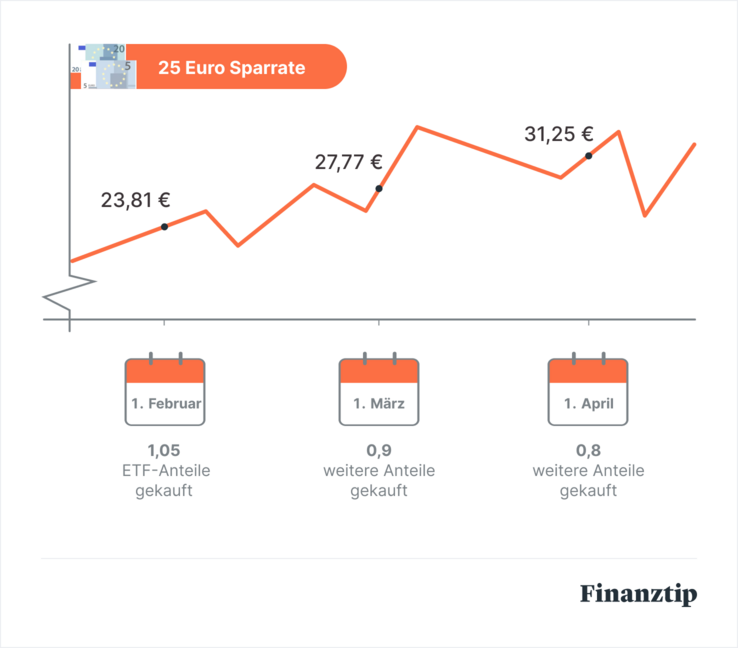
The Finanztip research confirms what experienced investors know: ETF-Sparplan (ETF savings plans) are flexible. You can increase, decrease, or pause anytime. But psychological flexibility is harder. Once you’ve tasted the dopamine hit of seeing your portfolio grow by 24,000€ annually, slowing down feels like failure.
Here’s the technical reality check: your risk profile should invert as you scale. Start aggressive when small, get more conservative as numbers grow. The 50/50 World/EM split might make sense at 200€ monthly. At 2000€, you should be adding bonds, REITs, or at minimum rebalancing to 70/30. The German tax system rewards this discipline, selling to rebalance triggers Abgeltungssteuer (capital gains tax) at 25%, but new contributions can rebalance without tax consequences if you plan smartly.
The Emergency Fund Trap That Snaps at Scale
Before you even think about 2000€ monthly investments, answer this: what’s your Notgroschen (emergency fund)? The German rule of thumb is three to six months of net salary. For our IT worker, that’s probably 15,000-30,000€. If you don’t have that parked in a Tagesgeldkonto (daily money account) first, you’re gambling.
This is where the internal link to ensuring liquidity buffers before committing significant monthly flows to markets becomes critical. Scaling your investments without a solid cash foundation is like building a penthouse on a sand foundation. When your car’s timing belt snaps (400€), your landlord surprises you with a Nebenkostenabrechnung (utility bill reconciliation) of 800€, or you need a new washing machine jetzt sofort (right now), you can’t wait for the next market rally to cash out.
One Reddit commenter joked: “I’d take that money off your hands if you’re just throwing it out the window.” But that’s exactly what you’re doing if you invest your emergency buffer. The 2000€ monthly investor has clearly solved this, he mentions having enough left over after all expenses. But for those scaling up, this is step zero.
The German Tax Reality of Large Monthly Contributions
Here’s something the ETF marketing brochures don’t emphasize: as your portfolio grows, the Finanztip 3×10 strategy becomes essential. This means switching your ETF every ten years to optimize taxes through LIFO (Last In, First Out) instead of FIFO (First In, First Out). At 2000€ monthly, your portfolio hits six figures in just over four years. Tax optimization isn’t optional anymore, it’s mandatory.
The German Abgeltungssteuer system automatically deducts taxes at source, but you still need to manage your Freistellungsauftrag (tax exemption order) across multiple banks. At 2000€ monthly contributions, your annual capital gains could easily exceed the 1,000€ tax-free allowance. If you have a spouse, you need to coordinate both allowances. If you have multiple Depots (brokerage accounts), you need to split the exemption intelligently.
And here’s the kicker: if you’re in a DAX corporation, you likely have employee stock purchase plans or bonus schemes. These can eat into your exemption before your ETF gains even get considered. The scaling investor needs to become a tax strategist, not just a contributor.
The Psychological Pivot Nobody Prepares You For
The most dangerous moment in scaling comes around the 1000€ monthly mark. Below that, you’re still in “hobby” territory. Above it, you start checking your portfolio daily. You read every ECB announcement. You understand what “OPEX” and “NFP Friday” mean. You become, against your better judgment, a market timer.
This is where the internal link about maintaining discipline and avoiding speculative behaviors with larger capital hits home. The 2000€ monthly investor admitted his portfolio was “initially 80% emerging markets, which is why I’m down 10k.” That’s not passive investing, that’s a bet. And bets get harder to swallow when four figures leave your account every month.
The German brokerage ecosystem doesn’t help. Apps from Trade Republic, Scalable Capital, and Smartbroker+ turn your phone into a slot machine with push notifications for every 2% market move. When you’re investing 200€, you laugh it off. At 2000€, that notification arrives while you’re in a meeting with your manager, and suddenly you’re calculating how many hours you worked for that loss.
The Career-Investment Nexus in Germany
Our protagonist works in IT at a DAX corporation. This is crucial context. In Germany, certain career paths make scaling possible while others don’t. The harsh reality is that unless you’re in IT, certain engineering roles, management consulting, or corporate leadership tracks, 2000€ monthly surplus is fantasy math.
The internal link about increasing earning potential to sustain higher investment allocations applies here, even though it’s Austrian-focused. The German market is similar, your earning potential has a ceiling based on your qualifications and industry. A 31-year-old with Ausbildung in IT can out-earn a university-educated Geisteswissenschaftler (humanities scholar) by age 28.
But this creates a dependency. Your investment strategy becomes tied to your employer’s stock performance (if you get employee shares), your industry’s cyclicality, and your ability to job-hop every 3-4 years for 15-20% salary bumps. The 2000€ monthly investor is implicitly betting that his DAX corporation will keep paying premium IT salaries. That’s not diversification, it’s concentration risk in your human capital.
The Real Estate Fork in the Road
At 2000€ monthly investments, you’re putting away 24,000€ annually. In five years, that’s 120,000€ plus growth, enough for a down payment on property in many German regions. This is where the internal link about comparing property purchase versus continued passive equity accumulation becomes unavoidable.
Our Reddit investor pays 1200€ Warmmiete. With his income, he could likely afford a 300,000€ apartment with monthly payments around 1400€. The math becomes: do I keep renting and building this massive ETF portfolio, or do I switch tracks and buy property? German tax law favors homeowners through Eigenheimzulage (homeowner subsidies) and tax-deductible mortgage interest for landlords. But property locks your capital and your mobility.
The 2000€ monthly investor is at this exact crossroads. Every month he chooses ETFs over equity is a month he’s betting on continued rental flexibility and market outperformance. That’s a legitimate choice, but it needs to be explicit, not default.
How to Scale Responsibly: A German-Specific Framework
If you’re currently at 200€ and dreaming of 2000€, here’s the unsexy but necessary roadmap:
Phase 1 (200-500€):
Aggressive accumulation in a thesaurierender (accumulating) MSCI World ETF. Build your Notgroschen to three months’ expenses. Live with roommates if in expensive cities like Munich or Frankfurt. Drive a 15-year-old Golf.
Phase 2 (500-1000€):
Rebalance to 70% World, 30% EM. Build Notgroschen to six months. Start tracking your Steuerfreistellung (tax exemption) religiously. Consider a Riester-Rente (Riester pension) or betriebliche Altersvorsorge (company pension) if your employer matches contributions, free money beats market returns.
Phase 3 (1000-2000€):
Now things get serious. Add 10-20% bonds (like Xtrackers Global Sovereign). Diversify into sectors or themes if you have conviction, but max 5% per position. Set up a second Depot at a different bank for the Finanztip 3×10 strategy. Most importantly: increase your lifestyle spending by 20% of the investment increase. If you go from 1000€ to 1500€ monthly investments, spend an extra 100€ on things that make you happy. This prevents burnout and keeps you in the game.
The research shows our Reddit investor is already implementing risk reduction and enjoying life more. Smart. The biggest mistake is scaling your investments while letting your life shrink to zero discretionary spending.
The Verdict: Is 2000€ Monthly Worth It?
The answer depends entirely on your personal utility function. If you’re 31, childless, and love your job, pumping 2000€ into ETFs might be optimal. If you’re 39 with a kid and aging parents, the internal link about accounting for compounding timelines when accelerating contributions later in life suggests you might need property stability and liquidity more than pure equity growth.
What the data makes clear: scaling from 200€ to 2000€ isn’t linear. It’s a series of psychological, strategic, and tactical pivots that most German finance blogs gloss over. The ETF-Sparplan is flexible, but your brain isn’t. Your risk tolerance changes with absolute numbers. Your career choices become investment-constrained. Your relationship with money transforms from “saving for later” to “active wealth building.”
The German system rewards consistency over intensity. Starting with 200€ at 22 and scaling gradually to 2000€ by 31 is far more sustainable than panic-investing 2000€ at 39 because you realized your Festgeld (fixed deposit) is losing to inflation. Our Reddit protagonist did it right, slow, steady, and self-aware enough to acknowledge when his strategy needed adjusting.
Your move isn’t to copy his numbers. It’s to copy his process: start where you are, scale as income allows, rebalance as life demands, and never let your portfolio size exceed your financial education. The 2000€ monthly investor who doesn’t understand FIFO vs LIFO is just a gambler with a better cash flow.
Now check your Kontostand (account balance). How much can you actually invest next month? Start there. The rest is just details.