
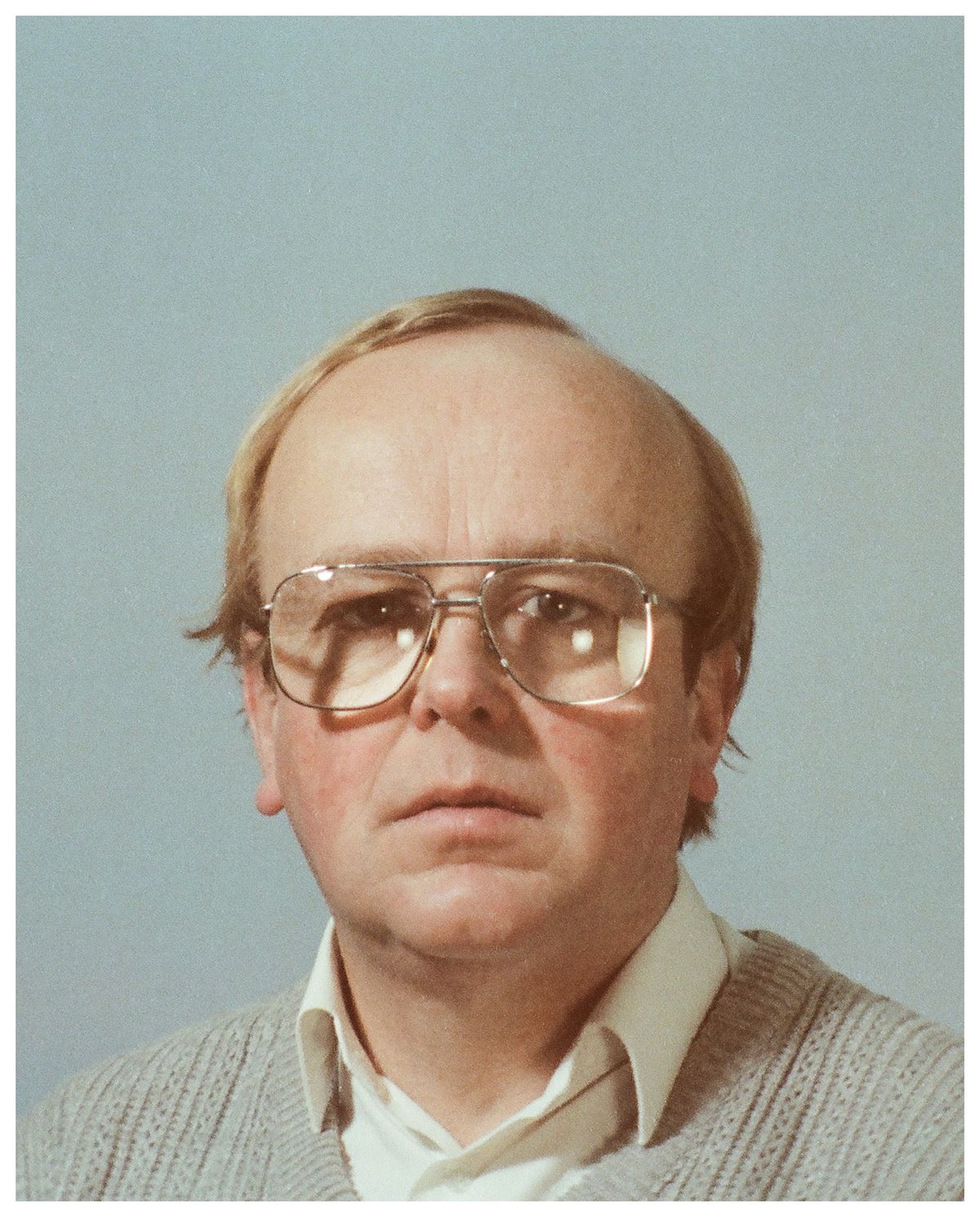
You’re 39, married, one kid, and you’ve just discovered that your Festgeld (fixed-term deposit) now pays a measly 3.2%, down from the 4.25% you locked in three years ago. The realization hits you at 11 PM while scrolling through your online banking: you’ve been letting your money hibernate when it should have been working overtime. That sinking feeling? It’s the weight of two decades of missed compound interest.
Welcome to the club. The German club of late-blooming investors who treated the Aktienmarkt (stock market) like a mysterious foreign land where only day-traders and Finanzinfluencer dared to tread. But here’s the thing: while you were dutifully parking your money in Tagesgeld (overnight money) and Festgeld, you weren’t entirely wrong, you were just following the cultural script. German banks have historically made investing about as pleasant as a visit to the Bürgeramt (citizens’ office), complete with incomprehensible forms and condescending looks.
The 39-Year-Old’s Midnight Regret
That Reddit post you saw? The 39-year-old who just set up two ETF-Sparpläne (ETF savings plans) and bought an impulse stock? That’s not just some random internet stranger, that’s every German who finally cracks open their first Finanzfluss video and realizes they’ve been leaving thousands on the table. The regret is real: “Ich ärgere mich das ich nicht schon mit 18 angefangen habe” (I regret not starting at 18). But regret is a useless emotion in German finance. The system rewards action, not sentimentality.
The brutal math: If you’d started at 18 with just €50 a month in a MSCI World ETF, you’d have roughly €45,000 by now (assuming historical returns). Starting at 39 with €300 a month? You’ll hit around €130,000 by retirement at 67. That’s not nothing, but it’s not freedom either. The gap is real, but it’s bridgeable, if you stop treating investing like a hobby and start treating it like a second job.
Why “Too Late” Is a German-Specific Trap
Here’s where the German context matters. The phrase “zu spät” (too late) gets thrown around in German finance forums with the same frequency as “Aktien sind Glücksspiel” (stocks are gambling). Both are wrong, but both feel true because the German system is designed to make you feel secure, not wealthy.
Your Festgeld at 3.2%? After Steuern (taxes) and Inflation, you’re barely breaking even. The Inflationsrate (inflation rate) in Germany has been eating away at your “safe” investments while your neighbors with ETF-Sparpläne have been building real wealth. The real trap isn’t starting late, it’s staying in the false security of German “safety products” that guarantee you’ll run out of money in retirement.
The Handelsblatt article about the 42-year-old who made only €1,000 profit after 15 years and €20,000 in contributions? That’s the reality of trusting your bank’s “sichere Altersvorsorge” (secure pension provision). A simple Sparbuch (savings book) would have done better. Let that sink in.
The Math Doesn’t Lie, But It Doesn’t Panic Either
At 39, you have 28 years until the standard German retirement age of 67. That’s not 40+ years of compounding, but it’s three full decades. The key is understanding that your strategy can’t be “set and forget.” It must be “set, increase, and obsess.”
Your Reality
- Monthly investment: €300
- Time horizon: 28 years
- Strategy: Standard Savings/Banks
Result: Breaking Even or Loss after Tax/Inflation
The Opportunity
- ETF Choice: FTSE All-World or MSCI ACWI I
- Expected Return: 6% net
- Tax Strategy: Optimized allowance usage
Result: ~€267,000 (+ growth)
But here’s the German twist: You must factor in the Abgeltungsteuer (capital gains tax) of 25% plus Solidaritätszuschlag (solidarity surcharge). Use your €1,000 Sparer-Pauschbetrag (savers’ allowance) wisely. If you’re married, that’s €2,000. Don’t leave free money on the table.
Aggressive Catch-Up: Your New Best Friend
“Spätanlage” (late investment) requires a different mindset than “Früh anfangen” (starting early). You don’t have time for conservative 50/50 stock-bond portfolios. You need aggression, but the German kind, disciplined, cost-optimized, tax-aware.
Strategy 1: The Brutal Sparrate Increase
That Reddit user planning €200-300 monthly? That’s a start, but it’s not catch-up. You need to aim for 20-25% of your net income. In Germany, where savings rates are culturally high but often parked in dead-end products, this means redirecting your existing savings discipline from Tagesgeld to ETFs. Every Euro you have sitting in a Sparkasse earning 0.1% is a Euro that’s betraying you.
Strategy 2: Tax Optimization as Performance Enhancement
This is where you can make up for lost time without taking more risk. Compare tax-optimized investment vehicles like Rürup-Rente versus private ETF-Sparpläne. Rürup gives you massive tax deductions now, up to €28,525 annually as of 2026, but locks your money until age 62 with strict withdrawal rules. Private ETFs give you flexibility but fewer tax breaks. At 39, you need both: Rürup for the immediate tax win, ETFs for growth and accessibility.
Strategy 3: The Side-Hustle Sparplan
Your main job funds your life. Your Nebenjob (side job) funds your future. In Germany, the €520 Minijob (mini-job) is tax-free. Take one, invest 100% of it. That’s €6,240 extra per year, which over 28 years at 6% becomes €415,000. Suddenly, “too late” becomes “comfortable retirement.”
The 70/30 Allocation Debate Among German Investors
The Reddit thread devolves into a religious war about 70/30 (MSCI World/EM) versus FTSE All-World. One commenter calls it a “Hirngespinst” (figment of the imagination) from Finanzfluss. Another defends Gerd Kommer’s original reasoning.
Here’s the practical German answer: It barely matters at this point. What matters is that you’re invested. The 70/30 split gives you slightly higher EM exposure, which might outperform over your 28-year horizon. But the FTSE All-World is simpler, automatically rebalancing, and avoids the temptation to tinker.
The real lesson from the German ETF community: Perfect is the enemy of good. The guy who started at 39 with a simple FTSE All-World ETF-Sparplan will outperform the 25-year-old who spends five years researching the perfect allocation and never starts.
Kinderdepot or Your Own Name? The Family Planning Trap
The Reddit user’s final question is crucial: “Wie sorgt ihr für eure Kinder vor?” (How do you provide for your children?) The German Kinderdepot (child depot) offers massive tax advantages, your kid gets their own €1,000 Sparer-Pauschbetrag and €12,096 Grundfreibetrag (basic allowance). In theory, you can shovel €13,096 per year into your child’s account tax-free.
But there’s a catch that German parents love to ignore: At 18, that money legally belongs to your child. They can blow it on Koks und Nutten (cocaine and prostitutes), as one brutally honest commenter noted. The German legal system gives 18-year-olds absolute control.
The pragmatic solution: Split it. Use a Kinderdepot for the tax-free growth, but only for amounts you can afford to lose control over. For the serious education/car/house-down-payment money, invest in your own name and mentally earmark it. Yes, you’ll pay taxes, but you’ll maintain control. At 39, you can’t afford to fund both your retirement and your child’s potential mistakes.
Choosing Your Weapon: German Brokers Compared
The FMH.de comparison is clear: Neobrokers like Traders Place, Scalable Capital, and finanzen.net zero dominate for ETF-Sparpläne. They offer kostenlose Sparpläne (free savings plans) and zero depot fees. Traditional banks like Sparkasse charge €10-30 annually plus €1.50 per Sparplan execution.
At 39, every Euro in fees is a Euro not compounding. The difference between a free broker and Sparkasse over 28 years? Roughly €8,000-12,000 in lost returns. That’s a year of retirement expenses.
The Reddit user’s screenshot shows they’re already using a modern broker. Good. Now maximize it: Set up automatic Sparpläne for the 1st and 15th of each month to average out volatility. Use thesaurierende ETFs (accumulating ETFs) to avoid dividend tax drag. And for God’s sake, claim your Freistellungsauftrag (exemption order) immediately.
The Lifestyle Inflation Killer
Here’s where most 39-year-old German investors fail: They try to fund their Sparplan by cutting back on small pleasures. Wrong approach. You need to attack the big three: housing, car, and Versicherungen (insurance).
That €1,200 Warmmiete (warm rent) in Berlin or Munich? Downsize. That €45,000 financed Audi on the company car scheme? Switch to a €5,000 Gebrauchtwagen (used car) and invest the difference. Those three overlapping life insurance policies your Vermögensberater (financial advisor) sold you? Cancel them and redirect the premiums.
Breaking lifestyle inflation to fund investments isn’t about giving up your daily Kaffee (coffee). It’s about making three or four big, uncomfortable decisions that free up €500-800 monthly. At 39, you don’t have time for latte-math.
The Verdict: It’s Not Too Late, But It’s Not Comfortable
Starting at 39 in Germany gives you one major advantage: You understand the system. You’ve paid into the gesetzliche Rentenversicherung (statutory pension insurance) for 20+ years. You know how high Steuern really are. You’ve seen inflation eat your Festgeld returns. You’re not naive.
Your Action Plan
- Aggressive: Minimum €500/month, ideally €750+
- Tax-optimized: Rürup + ETF-Sparplan combo
- Cost-obsessed: Zero-fee broker, accumulating ETFs
- Time-realistic: 15-20 year horizon minimum, 28 years optimal
- Family-aware: Split child investments between control and tax efficiency
The Reddit user who posted at 39 with €200-300 monthly? They’re on the right path, but they need to double down. The Handelsblatt journalist who woke up at 42? He’ll be fine because he started. The 39-year-old reading this and still hesitating? That’s who should be worried.
The German financial system operates with the same efficiency as a Deutsche Bahn train, usually impeccable, until there’s construction on the line. Right now, the line to retirement is under heavy construction. You can wait for the delays to clear, or you can find another route. At 39, you don’t wait.
Action item: Open that broker account today. Not tomorrow. Not after you research the perfect ETF. Today. Set up a €100 Sparplan on the FTSE All-World. Increase it by €50 monthly until it hurts. That’s how you make up for lost time in Germany.