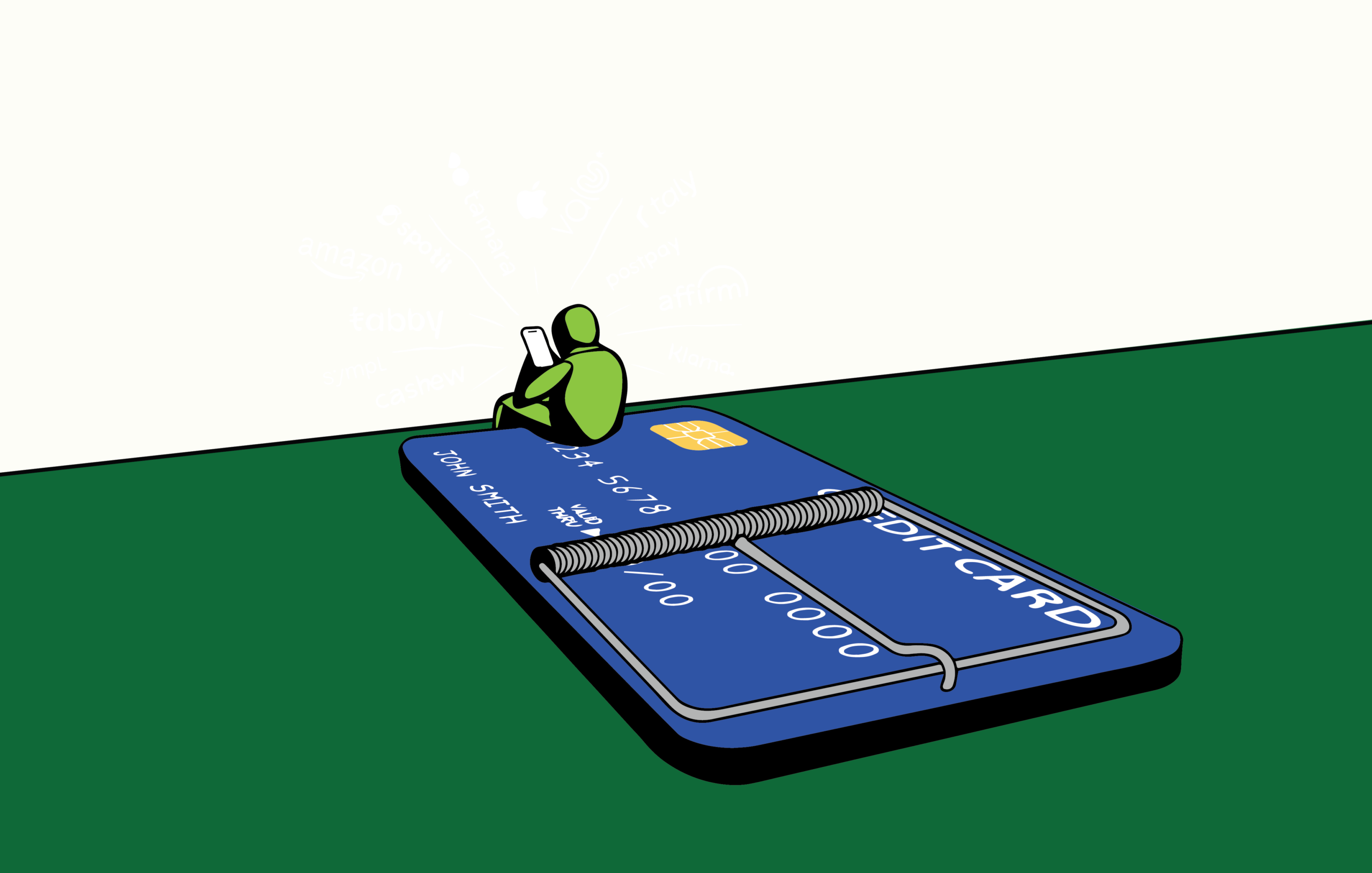
You’re scrolling through your social feed, and there it is, another influencer showing off a designer handbag. Your colleague mentions the new iPhone they “just got.” A friend casually drops that they’re financing a vacation that’s already over.
Nobody’s bragging about the interest rate they’re paying.
Here’s the uncomfortable question nobody wants to ask: When did buying everything on credit become the default move in Germany? Not just houses or cars, but clothes, electronics, even groceries? The German banking system operates with the same efficiency as a Deutsche Bahn train, usually impeccable, until there’s construction on the line. And right now, the tracks of consumer finance are starting to crack under the weight of installment purchases.
The Ratenkauf Revolution Nobody Signed Up For
Let me paint you a picture that might feel uncomfortably familiar. You’re checking out an online order, maybe a new laptop, perhaps a coffee machine that costs more than your monthly grocery budget. And there it is: the option to split your payment into 12 easy installments. Maybe even “0% financing!” The button is glowing, the text is friendly, and the math seems… fine?
That’s exactly how the Ratenkauf (installment purchase) trap works. It doesn’t feel like debt because it doesn’t look like the scary credit card bills you read about. It feels like a subscription, except you’re subscribing to a lifestyle you might not actually be able to afford.
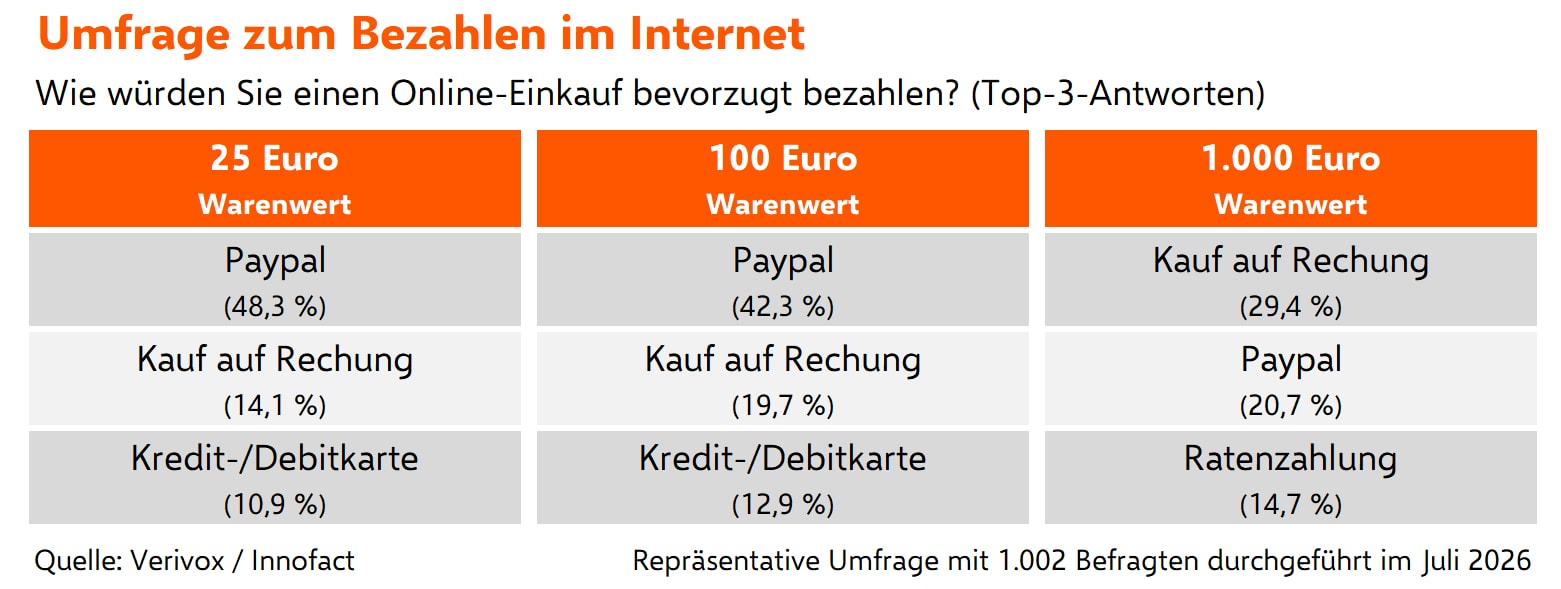
The numbers tell a striking story. According to a recent Verivox survey, 15 percent of Germans now prefer to pay for online purchases over €1,000 in installments, up from just 9 percent in 2024. That’s a 67 percent increase in just two years.
But here’s the kicker: when you break down who’s actually financing their purchases, the pattern reveals something uncomfortable about inequality in Germany.

The Income Divide You Can’t Ignore
Twenty-three percent of people earning under €2,000 net monthly would finance a €1,000 purchase. Among those earning €4,000+, that number drops to just 7 percent.
Let that sink in.
The people most likely to use installment plans are exactly the ones who can least afford to carry debt. This isn’t a coincidence, it’s a business model. Companies know that monthly payments feel more affordable than a lump sum. A €1,200 laptop at €100/month for 12 months doesn’t trigger the same financial alarm bells as seeing €1,200 vanish from your checking account.
One person captured the frustration perfectly: “Warum kaufen so viele Leute Sachen, die sie sich eigentlich gar nicht leisten können?” (Why do so many people buy things they can’t actually afford?) The answer, it turns out, is both simple and deeply psychological.
The 0% Financing Illusion
There’s a vocal group of financially savvy consumers who will tell you they use 0% financing strategically. Their logic? Why pay €1,200 today when you can invest that money and earn returns while paying €100 monthly? It’s the same argument people use for low-interest mortgages, leverage your capital, keep your investments growing, and let the bank wait for their money.
For maybe 5 percent of the population, this works brilliantly. For everyone else, it’s a dangerous rationalization.
The uncomfortable truth is that most people using installment payments aren’t investing the difference. They’re spending it on more stuff. The same people who rationalize 0% financing for a new phone are often carrying balances on multiple items simultaneously. Before long, those €50 monthly payments stack up: €50 for the phone, €80 for the laptop, €120 for the furniture, €45 for the new winter jacket. Suddenly you’ve created a shadow rent payment, money that disappears every month without building any equity.
What makes this particularly treacherous is how easy it’s become. PayPal offers installment options at checkout. Klarna splits payments into four chunks. Amazon lets you finance electronics over 12 months. The friction between wanting something and owning it has been reduced to nothing.
Debt as Status: The Social Media Effect
There’s another layer to this that’s harder to quantify but impossible to ignore: social comparison. A generation ago, people primarily compared themselves to their neighbors, people with similar incomes and lifestyles. Today, you’re comparing your life to a curated feed of people who may be deeply in debt themselves, but look rich while drowning in it.
Social media doesn’t just show you what rich people own. It shows you what ordinary people seem to own, constantly. That coworker who just got a new car? The friend who leased a luxury apartment? The influencer who travels monthly? Every one of these creates a subtle pressure to maintain a lifestyle that your salary might not support.
The classic German TV detective shows a single nurse living in a 300-square-meter Gründerzeit villa in Cologne, clearly fiction. But the pressure to keep up appearances is very real.
The Hidden Costs Nobody Mentions
Let’s talk about what installment purchases actually cost beyond the sticker price.
First, there’s the interest. While 0% financing exists, it’s usually reserved for people with excellent credit scores. The rest of the population faces rates between 10 and 20 percent APR depending on the retailer and your Schufa (German credit score) rating. That €1,000 couch suddenly costs €1,200 when you stretch payments over 24 months.
Second, there’s the Schufa impact. Every installment purchase gets reported. Multiple simultaneous financing agreements can lower your credit score, which then affects your ability to get a mortgage, rent an apartment, or even secure a mobile phone contract. That €50/month phone payment could cost you the home you want to rent next year.
Third, there’s the flexibility trap. When you’re carrying multiple installment payments, you lose the ability to respond to life’s curveballs. A job loss, an illness, an unexpected car repair, these become existential threats when 15 percent of your income is already committed to past purchases.
The Real Reasons Behind Rising Debt
The Statista data from the iff Überschuldungsreport 2026 reveals something that complicates the “irresponsible consumer” narrative. Illness remains the most common trigger for over-indebtedness at 17.8 percent, with single parents disproportionately affected (their risk index stands at 2.0, meaning they’re twice as represented in debt counseling as in the general population).
This isn’t just about people buying things they don’t need. It’s about the declining buffer between income and expenses in an era of rising costs for everyday leisure activities and squeezed middle-class budgets. When your salary barely covers rent, utilities, and groceries, an unexpected medical bill or reduced work hours can trigger a debt spiral that feels inescapable.
For younger Germans under 25, unemployment has now overtaken consumption as the leading cause of over-indebtedness (24.8 percent vs. 16 percent). The story isn’t “young people are irresponsible”, it’s “young people face structural economic barriers their parents never encountered.”
When Does Credit Actually Make Sense?
I’m not arguing that all credit is evil. The original poster in that discussion made a fair point: a mortgage for a home or financing a car when yours breaks down can be legitimate financial tools. If your washer dies and you need one next week, financing might be the pragmatic option.
Even 0% financing can make sense for disciplined savers who genuinely invest the difference. But here’s the test: if you’re using financing to buy things you want rather than things you need, you’re probably rationalizing.
Before you click “pay in installments”, ask yourself three questions:
-
Would I buy this if I had to pay cash today? If the answer is no, you’re purchasing on credit what you can’t afford, full stop.
-
What’s the effective interest rate, really? If it’s not 0%, calculate the actual markup. A 15% APR on a €1,500 purchase means you’re paying €225 in interest over two years. That’s not a convenience fee, that’s a bad deal.
-
What else could this monthly payment do for me? The long-term consequences of skipping saving versus investing are staggering. That €80/month you’re paying for last year’s iPhone could be building wealth that compounds for decades.
Breaking the Cycle
Germany has seen the risks and is responding. Starting November 20, stricter regulations require more comprehensive creditworthiness checks and clearer disclosure of costs and risks for installment financing. It’s a start, but regulation can only do so much.
The real change needs to happen on a personal level. That means:
- Build an emergency fund first, before buying on credit, ensure you have 3-6 months of expenses saved. This prevents the “my washer broke and I had to finance” emergency scenario.
- Adopt the 30-day rule, for any non-essential purchase over €100, wait 30 days. If you still want it, you can probably afford it.
- Track your commitments, know exactly how much of your monthly income is going to past purchases. If it’s more than 5 percent, you’re overextended.
- Consider the total cost, not the monthly payment, a €49/month commitment doesn’t sound bad until you realize it’s €588/year with no asset at the end.
The Freedom of Owing Nothing
There’s a particular kind of peace that comes with owning your life outright. No monthly payments tied to items you’ve already consumed. No anxiety about interest rates creeping up. No Schufa worries when you need to move or finance something important.
The emotional and financial consequences of consumer debt are often underestimated at the moment of purchase. That new furniture feels great for a week, the payments linger for years.
Germany’s relationship with property ownership as the ultimate financial goal already creates enough financial pressure. Adding consumer debt on top of that isn’t building a path to stability, it’s digging a hole that takes years to escape.
The next time that “0% financing” button catches your eye, remember: the easiest debt to avoid is the one you never take on. And the freedom of having no red numbers behind your lifestyle? That’s worth more than anything you can finance.