You remember the old way, right? The one where buying a single share of Siemens meant signing a form that looked like a mortgage application, then getting hit with a €15 “bearbeitungsgebühr” (processing fee) for the privilege. For years, the stock market felt like a private club for people who wore ties on weekends.
Then came the neobrokers. And the entire script flipped.
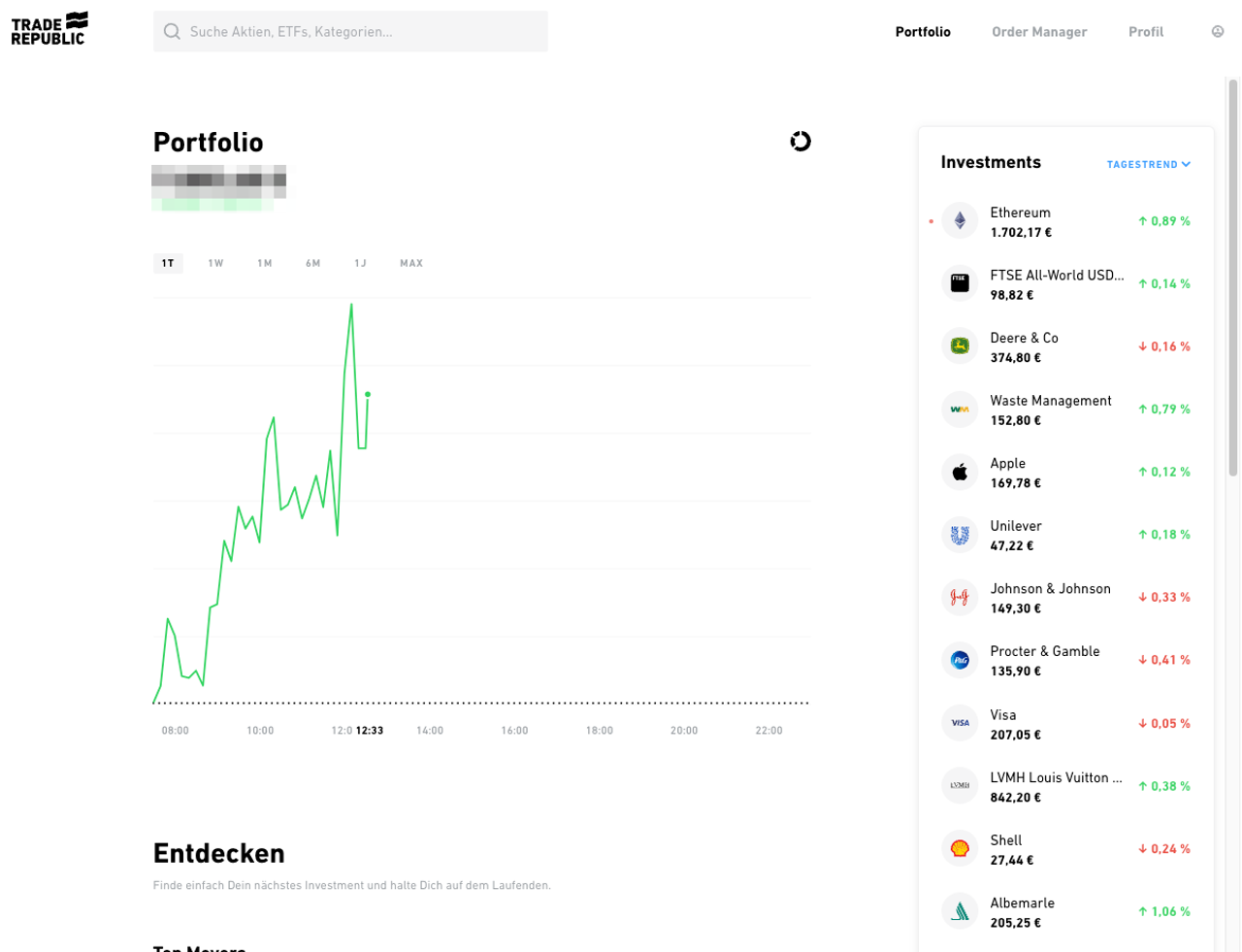
Suddenly, investing isn’t a chore you dread. It’s a dopamine hit you get from your phone while sitting on the U-Bahn. Trade Republic and Scalable Capital haven’t just made investing cheaper, they’ve turned it from a niche hobby into a full-blown cultural movement. The numbers are staggering. In just a few years, these platforms have sucked in billions of euros, and they’re showing no signs of slowing down.
This isn’t just a story about lower fees. It’s about a fundamental shift in who gets to play the game, and how traditional German banks like Sparkasse are responding to neobrokers such as Trade Republic.
The 1-Euro Empire: How Free Trading Broke the Model
Let’s be real. The headline-grabbing stat of the neobroker era is the 1-Euro trade. It sounds like a gimmick, some promotional loss-leader designed to hook you before they jack up the prices. But it’s the actual product.
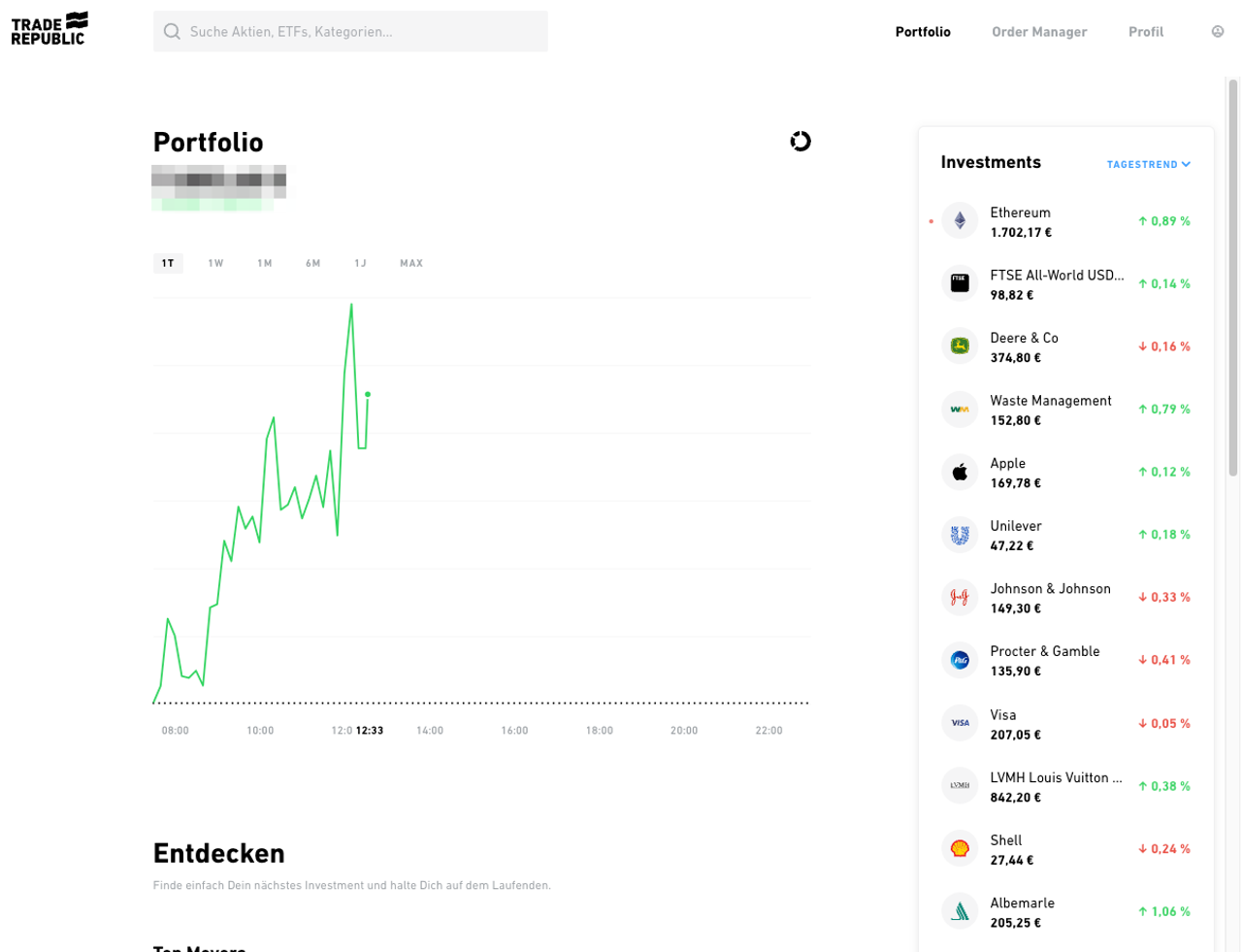
The logic runs on “Payment for Order Flow” (PFOF) and skinny margins from partner banks. The user experience is ruthlessly streamlined. No account maintenance fees. No custody fees. Just a flat 1 Euro per transaction (or 99 cents for Scalable Capital) and the ability to start a savings plan with a single Euro.
This decimated the old paradigm. The Handelsblatt comparison of online brokers shows that while a traditional broker like Comdirect charges a base of €4.90 + 0.25%, a Neobroker turns that into a flat 1 Euro. For someone executing a monthly 100 Euro ETF-Sparplan (ETF savings plan), that’s a difference of almost 10% in fees before the market even moves.
A sentiment echoed by many in the community sums it up: “I am glad I can now easily waste my money without paying high processing fees… without such apps, far fewer people would work on their financial provision.” The truth is, the friction of the old system wasn’t just financial, it was psychological. A 25-Euro commission creates a barrier to entry. A 1-Euro fee is a rounding error. This frictionless environment has unleashed the popularity and systemic impact of automated ETF savings plans on neobroker platforms, creating new systemic risks we are only beginning to understand.
Scalable Capital vs. Trade Republic: The “Steuereinfach” Showdown
While both apps look similar on the surface, the devil is in the Austrian tax detail. For anyone living in Austria and using a German broker, the question of “Steuereinfach” (tax simplicity) becomes the great decider.
Scalable Capital was initially simpler to set up for Austrian-based investors. However, a recent shift has occurred. Trade Republic announced they now handle the tax reporting for their Austrian clients, a move that stunned many expats who had written them off as “too German.”
The real game-changer in this ecosystem, however, is the “Steuereinfach” function for ETFs. Both platforms now automatically deduct the Kapitalertragssteuer (capital gains tax), meaning you don’t have to manually calculate your gains on the “Finanzonline” portal if you stick to standard listed ETFs. One Reddit user broke down their strategy beautifully:
“I use Trade Republic with the card as a family account including savings plans and Saveback. Scalable Capital for interest and stock trading. Flatex for long-term wealth building/retirement with ETFs.”
This points to a significant Sophistication of the user base. People aren’t just parking money. They are tax-optimizing their portfolios by using neobrokers for short-term trading and traditional brokers like Flatex for the “Steuereinfach” protection of their long-term positions.
However, this single-point-of-failure issue raises questions about security risks and misconceptions about neobroker accounts compared to traditional banks. When your entire investment plan relies on a single trading app, you need to know the risks.
The “Mid-Range” Portfolio: Why People Mix Platforms
Here’s the dirty secret the neobrokers don’t want you to know: they are rarely the final destination for a sophisticated portfolio. They are the starting line. The ideal portfolio for an Austrian investor in 2026 looks less like “all-in on Trade Republic” and more like a carefully curated three-tiered system.
Tier 1: The “Schwab” Fridge
This is your impulse buy zone. A few thousand euros in a savings plan. The cashback from the card goes here. You use it for liquidity and spontaneous bets. The 2.25% interest (as of mid-2026) on the non-invested cash is also a compelling hook.
Tier 2: The Steady Eddie
As one user noted, “Scalable Capital for interest.” Scalable Capital offers a dedicated Tagesgeldkonto (savings account) with up to 2.5% variable interest. This has become a “parking lot” for emergency funds that otherwise sat earning nothing.
Tier 3: The Vault
For the core retirement fund, the one you won’t touch for 20 years, many Austrian investors still prefer a broker with a more established Austrian desk, like Bitpanda (regulated by the FMA) or Flatex (which is “Steuereinfach” in Austria by default).
This “mix and match” approach is the new normal. It shows that neobrokers haven’t killed the traditional banks, they’ve forced them to specialize. The traditional broker is now a warehouse, while the neobroker is the retail store. This reflects how zero-fee models in Austria reflect broader trends in European neobroker competition, a trend that local institutions like Erste Bank are now trying to compete with.
The “Democratization” Paradox: Is Lowering the Floor Lowering the Barrier?
The celebratory narrative of “Democratization” is hard to argue with on the surface. A teenager with 10 euros can now own a piece of an American tech giant. This is objectively easier and cheaper than it was a decade ago.
But let’s inject a dose of reality. While the cost of entry has fallen, the risk of entry for an inexperienced investor remains astronomically high. The very app design that makes it so addictive, the flashy green numbers, the instant buy buttons, is the same design that encourages gamification.
A comment from the research data touches on this: “Sinnvoll vorsorgen heißt ETF Sparplan oder Qualitätsaktien… Gambeln heißt einfach spekulative Hype-Aktien kaufen weil mans hier auf Reddit oder sonst wo gelesen hat.” It’s the “gambling” versus “provision” dilemma. A 1-Euro trade makes experimenting with “meme stocks” feel like a cheap thrill, not a financial mistake. This lower barrier to speculation is leading to countless small losses that add up to huge fees for the heartbroken.
The real heroes of this story aren’t the apps themselves, but the financial literacy that has emerged alongside them. The forums like r/Finanzen, the blogs like Finanzfluss, and the YouTube channels dedicated to explaining the “Spread” and the “Swap” have been just as important as the 1-Euro trade.
The Verdict: More Choices, More Responsibility
The rise of neobrokers is a genuine paradigm shift. Austrian investors in Vienna, Linz, and Graz now have access to a product that was once the domain of high-net-worth individuals in London or New York.
However, the key takeaway isn’t “use Neobroker X.” It’s “use the model.” The neobroker model taught an entire generation that fees are a choice, not a tax. That knowledge is permanent.
So, will you stick to a strict ETF-Sparplan (ETF savings plan) strategy on Scalable Capital? Or will you test the waters with a few speculative bets on Trade Republic? Either way, the power is now in your pocket.
Just remember: the app is just the tool. The strategy is still on you. This trend represents how Austrian banks like Erste are adapting to the rise of neobrokers, and it’s a competition that benefits only the investor.