
Austria’s 3.1% Inflation Wake-Up Call: Why Your Festgeld Is Secretly Losing Money

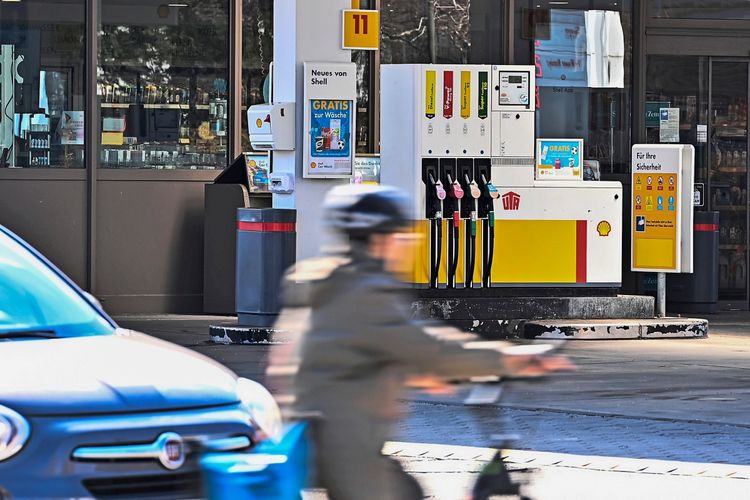
You felt it at the Shell station last week. That sinking sensation when the pump display ticked past €85 for a tank that cost €68 in February. That wasn’t just bad luck, that was Austria’s inflation rate launching from 2.2% to 3.1% in a single month, courtesy of the Iran war’s energy price shock.
Your bank account felt it too, though more quietly. While you were watching fuel prices, your Tagesgeld (call money account) sat there earning its pathetic 0.3% interest, losing purchasing power like a tire with a slow leak. The Statistik Austria numbers don’t lie: your €10,000 from January 2025 now buys what €9,700 bought then. You’ve been robbed of €300 in value, and the thief was inflation wearing a respectable suit.
The Austrian Inflation Reality Nobody Talks About
Here’s what the headlines miss: this 3.1% jump isn’t just statistics, it’s a regional inequality bomb. Wifo economist Josef Baumgartner spelled it out clearly: rural households get hammered harder because they depend on cars. In Vienna, you can escape to the U-Bahn. In Vorarlberg or Burgenland, you’re chained to your vehicle. The Spritpreisbremse (fuel price brake) starting in April might shave off 0.2 percentage points, but that’s like putting a Band-Aid on a severed artery.
The real kicker? Services are up 4.5%. That’s your restaurant bill, your Haarschnitt (haircut), your Billa delivery. Energy prices swung from -4.1% in February to +6.1% in March. These aren’t temporary blips, IHS economist Sebastian Koch warns we could see nearly 4% inflation before summer.
Why Your “Safe” Austrian Savings Are Dangerous
Let’s get brutal about Festgeld (fixed deposits). Capitalo’s March 2026 comparison shows DenizBank offering 2.35% for 12 months, Kommunalkredit at 2.30%, and Raiffeisen banks hovering around 2.20-2.25%. Sounds decent, right?
Wrong. After KESt (capital gains tax) at 27.5%, that 2.35% becomes 1.70%. With inflation at 3.1%, you’re losing 1.4% in real terms. Your €10,000 locked away “safely” will buy €860 less in five years. This is what the Sparkasse guide means when it says your money needs returns above inflation, not just above zero.

That older woman in the Supermarkt? She’s calculating whether the 30-cent Joghurt price increase fits her pension. She’s part of the group hit hardest, people with fixed incomes seeing food prices rise while their savings accounts bleed value. The real impact of inflation on salary is even starker: that €60k Austrian tech salary from 2020? It’s worth €45k now.
The Kollektivvertrag Trap
You might be waiting for your May KV-Erhöhung (collective bargaining increase). The comments on Austrian forums tell the story: one user sarcastically celebrated expecting “maybe 2%” while base inflation sits at 3%. Chemiker and Elektro workers are reportedly facing particularly tough negotiations. The ÖGB’s framework promises increases “above rolling inflation”, but with a 0.5% ceiling in 2026, you’re still falling behind.
Your employer knows this math. They hope you won’t do it. But you should: calculate your real wage. If you get 2.5% and inflation stays at 3.1%, you need a 7.5% raise just to maintain your 2025 purchasing power. Good luck with that.
1. The Festgeld-Leiter (Fixed Deposit Ladder) with a Twist
Don’t just lock everything in a 3-year Festgeld. Build a ladder: split €30,000 into three €10k chunks at 6, 12, and 24 months. This gives you liquidity and captures rising rates. Right now, Anadi Bank offers 2.00% at 6 months, DenizBank 2.35% at 12 months, and Klarna (Swedish deposit insurance) pays 2.65% at 24 months.
The twist? Watch EU banks. Klarna’s Swedish Einlagensicherung covers €105,186, and their 2.90% at 48 months might tempt you. But remember: you must declare foreign interest in your Steuererklärung (tax return) under Kennzahl 994. The 25% KESt still applies, and the Finanzamt will find out.
2. Rohstoff-ETCs: The Energy Inflation Hedge
When oil prices spike, Rohstoff-ETCs (commodity exchange-traded commodities) can offset your pain at the pump. Andreas Bernstein’s analysis shows energy ETCs jumped during the Iran crisis. But here’s the Austrian-specific catch: many use Futures-Kontrakte (futures contracts), creating Rollverluste (roll losses) in Contango markets. Physically-backed gold ETCs avoid this but carry storage costs.
Consider a 5-10% portfolio allocation. Products like the Xetra-Gold ETC (physically backed) or broad commodity baskets hedge against the very energy shocks causing this inflation spike. Just don’t expect them to replace your core holdings, they’re insurance, not investments.
3. Aktienfonds: The Long Game Austrian Banks Won’t Emphasize
Sparkasse’s guide correctly notes that companies pass costs to customers, making stocks an inflation hedge. But Austrian banks push Festgeld because it’s simple and profitable for them. The reality? Over 10-15 years, MSCI World ETFs have historically crushed inflation.
Open a Depot (brokerage account) with FlatexBIWAG or Dadat. Buy accumulating ETFs to defer KESt until sale. The E1kv form for capital gains loss offset becomes your secret weapon here, harvest losses to neutralize gains.
4. Immobilien: The Double-Edged Sword
Real estate seems obvious, Mieten (rents) are a major inflation driver. But Austrian prices are already overheated. Vienna’s Altbau (old building) market is insane. The trick? Look outside the bubble. Graz, Linz, or even Oberösterreich (Upper Austria) offer better yields. And if you finance with a fixed-rate Kredit (loan), inflation actually helps, your Schuld (debt) shrinks in real terms while your income rises.
Tax Reality: KESt Is Your Silent Killer
That 27.5% KESt on Zinserträge (interest income) is brutal. On a 2.35% Festgeld, you net 1.70%. To beat 3.1% inflation, you need a gross rate of 4.27%. No Austrian bank offers that.
Solution: use your Freistellungsauftrag (exemption order) up to €1,000 (single) or €2,000 (married). Put high-yield foreign Festgeld in your partner’s name to double the exemption. And for God’s sake, file that E1kv if you have any losses, the Finanzamt won’t remind you.
Government Help: Too Little, Too Late
The schwarz-rot-pinke coalition’s Spritpreisbremse and Mehrwertsteuersenkung sound helpful. The IHS estimates they’ll cut 0.6 percentage points from inflation. But these measures arrive after the damage is done. The BWB (Federal Competition Authority) checks won’t stop supermarkets from raising prices, they’ll just document the process.
And those higher costs? They’ll hit in 6-9 months when companies pass through energy costs. Your summer grocery bill will reflect March’s oil price spike. Planning a Urlaub (vacation)? Book now before transport costs surge.
Your Austrian Action Plan
Conservative (Age 50+)
Allocation:
- 50% Festgeld-Leiter (ladder across Austrian and top EU banks)
- 30% Anleihen-ETFs (bond ETFs)
- 20% Gold-ETC
Goal: Accept you’ll lose some purchasing power but protect capital.
Balanced (Age 30-50)
Allocation:
- 30% Festgeld for Notgroschen (emergency fund)
- 50% global equity ETFs
- 10% Rohstoff-ETCs
- 10% Österreichische Staatsanleihen (government bonds)
Goal: Use Bundesschatz raises rates for the bond portion.
Aggressive (Under 30)
Allocation:
- 10% Tagesgeld
- 70% equity ETFs (including 10% Austrian stocks for tax benefits)
- 10% Rohstoffe
- 10% crypto if you must
Goal: Your greatest asset is time to recover from volatility.
The Bottom Line
Austria’s 3.1% inflation isn’t just a number, it’s a wealth transfer from savers to borrowers, from urban to rural, from old to young. The government’s measures are political theater. Your bank’s Festgeld rates are a slow-motion heist. The only way out is to take calculated risks.
Stop treating your Austrian savings account like a security blanket. It’s a leaky bucket. Inflation doesn’t care about your Finanzamt (Tax Office) paperwork or your Raiffeisen loyalty. It just takes.
The question isn’t whether you can afford to invest. It’s whether you can afford not to.