
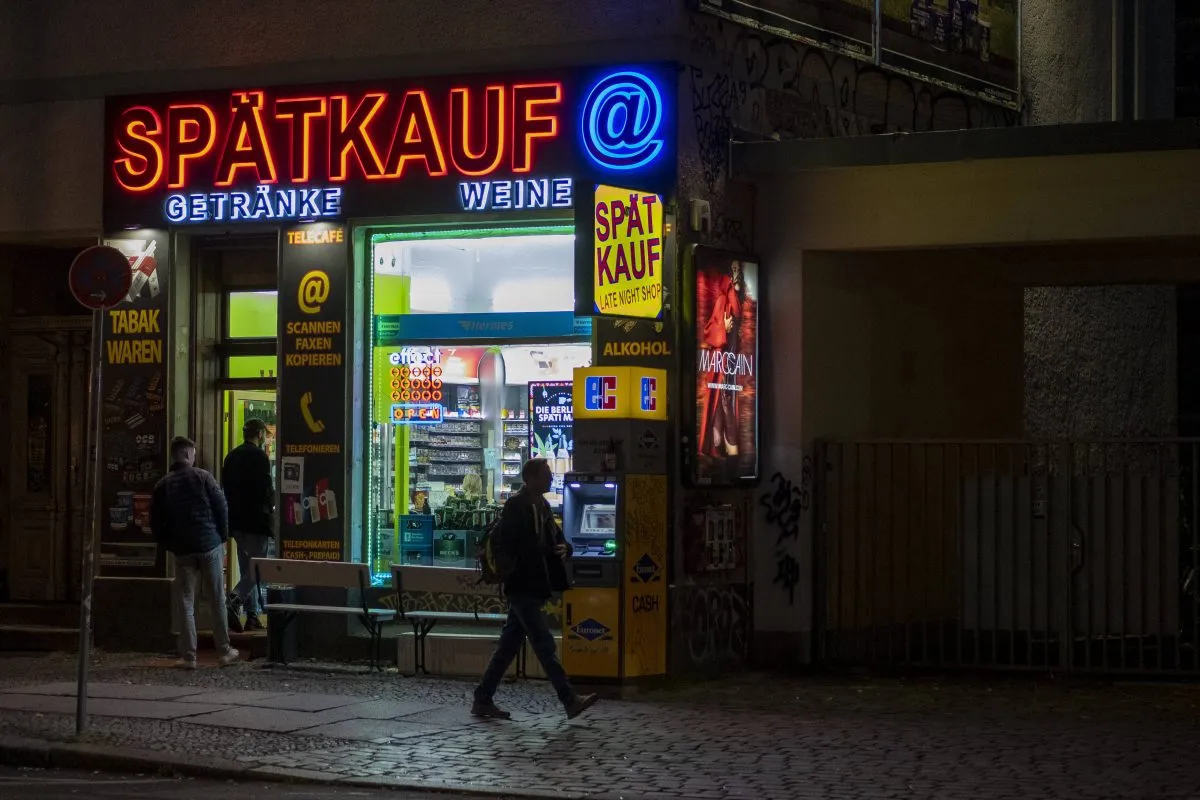
You’re standing at the counter of your neighborhood Späti (late-night convenience store) in Neukölln at 11 PM, clutching a €1.60 Club Mate and your smartphone. The cashier points at a yellowed sign: “Nur Barzahlung” (Cash only). Your wallet is empty. The nearest ATM is three blocks away, charges €4.50, and might be out of order. This moment, this specific Berlin frustration, could soon be illegal.
The city’s black-red coalition isn’t just annoyed by this scenario, they’re turning it into federal law. Their Bundesratsinitiative (Federal Council initiative) would force every shop, café, and Döner stand in Germany to accept at least one digital payment method. Cash stays, but “cash only” dies. The official line? Consumer convenience and tax fairness. The reality? A surveillance mechanism that makes the Finanzamt (Tax Office) giddy while small business owners reach for the aspirin.
The €70 Billion Elephant in the Room
Let’s cut through the political pleasantries. Berlin CDU faction leader Dirk Stettner told the B.Z. newspaper what this is really about: “I can’t think of any other reason why someone would insist on cash-only except to work around taxes.” That’s not a consumer protection argument, that’s an accusation.
And the numbers are staggering. The Deutsche Steuergewerkschaft (German Tax Union) and Bundesrechnungshof (Federal Court of Auditors) estimate Germany loses over €15 billion annually in VAT and profit taxes from cash-heavy sectors. Add unpaid payroll taxes from under-the-table workers, and some reports put the total damage at €70 billion per year. In Berlin alone, there are 80,000 “cash businesses”, yet in 2024, only 1.2% faced a Kassen-Nachschau (cash register audit).
This is the gap:
That’s not a compliance gap, it’s a compliance canyon.
The political math is simple: mandatory card payments create digital trails. Digital trails make tax evasion harder. Harder tax evasion means more revenue for the state without raising taxes on law-abiding citizens. It’s brilliant, really. Except if you’re a small business owner who built your entire operation on cash economics.
What the Mandate Actually Requires (And What It Costs)
Here’s where the rubber meets the road. The proposal isn’t a cash ban, it’s a cash-plus mandate. Every business must accept cash and at least one digital option: Girocard, credit card, mobile payment, or the upcoming Wero system. Violations could theoretically trigger Gewerbeordnung (Trade Regulation Act) penalties, though the draft hasn’t specified fines yet.
The costs? More manageable than Dehoga (German Hotel and Restaurant Association) claims, but not negligible. A basic card terminal runs €12.50 monthly. Per-transaction fees bite harder: 0.24% for EC cards (€0.12 on a €50 purchase) and 0.8-1.5% for credit cards.
For a Döner shop doing 200 transactions daily at €7 average, that’s roughly €100-€150 monthly in fees, plus the terminal cost and the time spent dealing with chargebacks and technical issues.
Dehoga’s spokesperson calls it “state coercion” that infringes on business freedom. They’re not wrong. The decision of how to accept payment has always been a core entrepreneurial right. But that argument lost the moment politicians reframed it as “why do you need cash unless you’re cheating?”
The Austrian Bank Playbook (And Why German Merchants Should Worry)
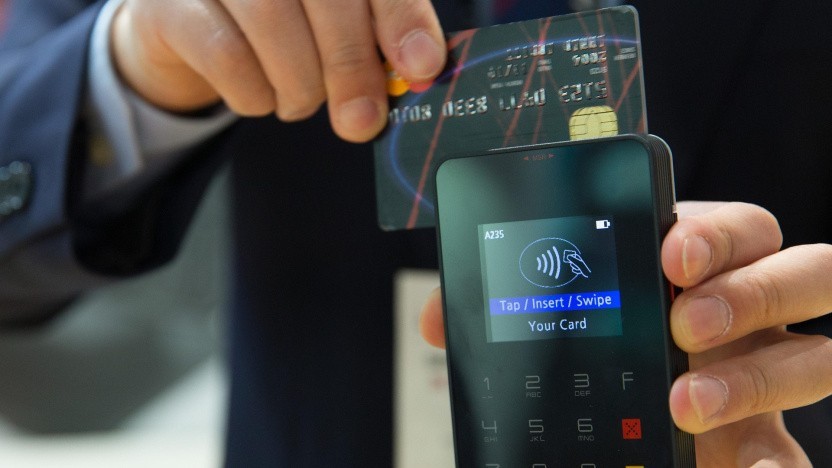
Austrian banks have already perfected the art of fee extraction from small businesses. They’ve transformed quarterly profits into fee revenue through creative charging structures that would make a German Sparkasse (savings bank) blush. German merchants face a similar future: once digital payments become mandatory, banks and payment processors gain leverage to increase fees incrementally.
What starts at 0.24% can easily creep higher when alternatives disappear. The small business banking fee revenue model shows how this plays out.
- First come the mandatory service fees.
- Then the “premium” features that are practically required.
- Then the compliance costs passed down the chain.
Within three years, that €12.50 terminal costs €25, and the transaction fees have doubled. Merchants can’t opt out because the law requires them to accept cards. It’s a captive market, and banks know it.
The Real Cost of “Free” Digital Payments

That “free” contactless tap isn’t free. Someone pays, and it’s not just the merchant. When credit card maintenance fees quietly drain consumer accounts and transaction costs inflate prices, everyone pays for the convenience of a digital system designed to eliminate tax leakage.
The question isn’t whether digital payments are good, of course they are. The question is whether the state should mandate them under the guise of consumer protection when the real goal is tax surveillance and financial control.
What Happens Next
The Bundesrat initiative launches after the coalition’s April 20-21 retreat. If approved, it amends the BGB or GewO by late 2026. The federal government already committed to this in their coalition agreement, they just needed Berlin to force their hand.
Meanwhile, the ECB races ahead with the digital Euro, promising “independence from US payment providers.” The irony is thick: escaping Visa and Mastercard by creating a system where the central bank tracks every transaction. It’s like fleeing a nosy neighbor by moving into a panopticon.
For consumers, life gets easier in the short term. No more ATM hunts. No more “minimum purchase €10 for card” signs (already illegal, but ubiquitous). For merchants, especially in Berlin’s cash-culture strongholds, Spätis in Wedding, bars in Friedrichshain, barbershops in Neukölln, the mandate means modernize or face penalties.