


You’ve been refreshing WG-Gesucht (shared apartment platform) for six hours straight. Your third coffee’s gone cold. Suddenly, a notification. A 12m² room in Berlin-Neukölln for 550€ warm (including utilities). You have exactly four minutes to write a life-changing message to a stranger who holds your entire semester in their hands. Welcome to student housing in Germany, 2026 edition.
The numbers dropped last week and they’re brutal. The Moses Mendelssohn Institut confirmed what your bank account already screamed: average rent for a WG-Zimmer (shared apartment room) hit 512€ monthly at the start of summer semester. That’s a 4% jump year-over-year, outpacing general inflation like a landlord chasing a moving van. But here’s the kicker that makes this genuinely unfair, that measly BAföG (German student financial aid) housing allowance? Frozen at 380€. The gap isn’t a crack, it’s a canyon.
The BAföG Gap: Where Your Dreams Go to Die
Let’s get specific. In Munich, you’re dropping 800€ for the privilege of a room where you can touch both walls simultaneously. Berlin and Hamburg clock in at 650€. Even “affordable” Saxony-Anhalt hits 358€, still 22€ over your state allowance. Stefan Brauckmann from the institute put it bluntly: “83.4 percent of students live in cities where the average rent exceeds the BAföG allowance.”
Translation? The state acknowledges you need financial help, then deliberately gives you less than the market demands. It’s like handing someone a 5€ ticket for the U-Bahn (subway) and telling them to cover the whole city. The math doesn’t just not add up, it’s actively hostile.
And before you think this only hits BAföG recipients, think again. That allowance sets the psychological floor for what’s “acceptable” to spend. When your maximum support covers barely half your actual costs, every student gets pulled into the vortex. Parents subsidize. Students work 20-hour weeks. Someone I know in Leipzig lives on 150€ food budget to funnel everything else into rent. This is what “affordable education” looks like in practice.
Regional Roulette: Why Your University Choice Determines Your Poverty Level
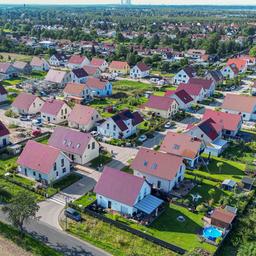
The disparity between cities isn’t just numbers, it’s different economic realities. In Munich, that 800€ gets you a room where the shower’s in the kitchen. In Chemnitz, 372€ might actually secure a proper room with natural light. The research shows the East-West divide persists, but here’s what’s interesting: eastern cities are catching up fast. Leipzig’s new-build suburbs might look promising, but they’re not student-priced.
Annegret Mülbaier from WG-Gesucht.de sees the chaos firsthand: “Demand clusters extremely on still relatively cheap WG rooms. Many offers are gone the same day.” This creates a bizarre hierarchy where speed matters more than suitability. If you’re not monitoring Telegram groups, WhatsApp chats, and three platforms simultaneously, you’re already too late. Students report creating notification bots, data-driven tools for rental hunting aren’t just clever, they’re survival mechanisms.
The Speed Game: How Fast You Need to Be
Here’s the unspoken rule: in Berlin’s competitive neighborhoods, you have under two hours to respond to a listing before it’s flooded. In Munich? Sometimes 30 minutes. The process has become a sprint where preparation beats desperation.
Successful students keep pre-written application templates, scanned documents ready, and Schufa (credit score) reports printed. Speaking of which, your Schufa score now matters more than your grades. One missed phone bill from your teenage years can torpedo your housing chances. If you’re worried about yours, check why your Schufa score just crashed before you start applying.
But speed alone won’t save you. Many landlords now require “personal interviews” that feel more like speed dating. They’re checking if you’ll “fit the WG culture”, which often means: are you quiet, clean, and unlikely to assert tenant rights? It’s a screening process for compliance.
Actually Actionable Strategies (Not the Usual “Just Budget Better” Nonsense)
1. Hack the Regional Disparity
If you’re flexible, target mid-sized cities with strong universities but lower rent pressure. Bielefeld, Göttingen, or Jena offer quality education at 30-40% lower housing costs. Your degree matters more than your zip code.
2. Exploit the “Nachmieter” (Successor) System
German law favors tenants finding their replacement. When someone moves out, they often search for their Nachmieter themselves. This bypasses the open-market bloodbath. Befriend people in desirable WGs, your network is your net worth here.
3. Time Your Search Counter-Cyclically
Everyone hunts in August/September. Start in June or look for “Zwischenmiete” (temporary sublet) positions that become permanent. Winter semester start? Search in November when others have given up.
4. The “Sozialwohnung” (Social Housing) Loophole
Some cities reserve student spots in social housing. In Bremen, you can apply for WBS (Wohnberechtigungsschein, housing entitlement certificate) as a low-income student. It’s bureaucratic hell but cuts rent by 40%.
5. Co-Living Corporations (The Lesser Evil)
Companies like The Fizz or YOUNIQ offer all-inclusive student dorms at premium prices (600-800€), but they guarantee a spot. For international students without Schufa or guarantees, this might be the only viable option. Yes, it’s expensive. Yes, it’s soulless. But it’s a roof.
Why This Isn’t Just a Student Problem
The housing crisis funnels into broader economic damage. Students delay graduation to work more hours. Talented international researchers choose Netherlands or Switzerland instead. The MLP Studentenwohnreport 2025 warned: “Lack of housing increasingly becomes a problem for Germany’s attractiveness as a university and business location.”
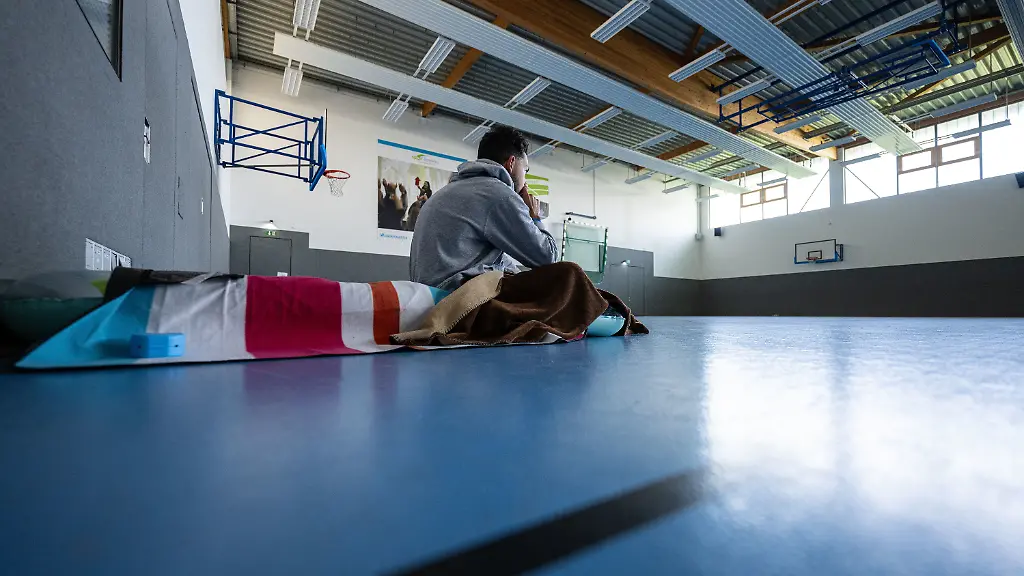
Even worse, it entrenches inequality. When only students with wealthy parents can afford Munich’s LMU (Ludwig Maximilian University) or Berlin’s HU (Humboldt University), you create an academic class system. Your future depends on your parents’ property portfolio.
The image above isn’t from a decade ago. It’s recent. Students sleeping in gymnasiums because the market failed. That’s where we’re at.
The Policy Failure (And Why Voting Won’t Fix It)
Research shows even raising BAföG to 440€ would only partially help. The real issue is supply. But building affordable student housing conflicts with local homeowner interests who vote against density. Many German voters, especially property owners, actively support policies that keep prices high. As one analysis noted, some Munich homeowners vote Green specifically because the party’s anti-development stance protects their property values.
So where does that leave you?
Bottom Line: Treat Housing Like a Full-Time Job
Stop thinking of apartment hunting as a side quest. It’s your main mission. Here’s your actual to-do list:
– Budget 45% of income for rent (not the old 30% rule, rent-to-income affordability standards are broken)
– Start three months early with alerts on every platform
– Build a “rental CV” with Schufa, income proof, and references
– Target temporary leases that convert to permanent
– Consider commuting from cheaper suburbs with semester tickets
The German promise of affordable, accessible education is cracking under housing costs. Until policy catches up, and don’t hold your breath, you’re on your own. But you’re not powerless. Play the game smarter, exploit the system’s loopholes, and remember: the fastest applicant wins, but the most persistent one survives.
Now refresh that page again. That 550€ Neukölln room just got 50 applications in the last three minutes. Good luck.