The €36K Vienna Savings Blueprint: How a Computer Engineer Banks Half His Salary in Europe’s Most Livable City
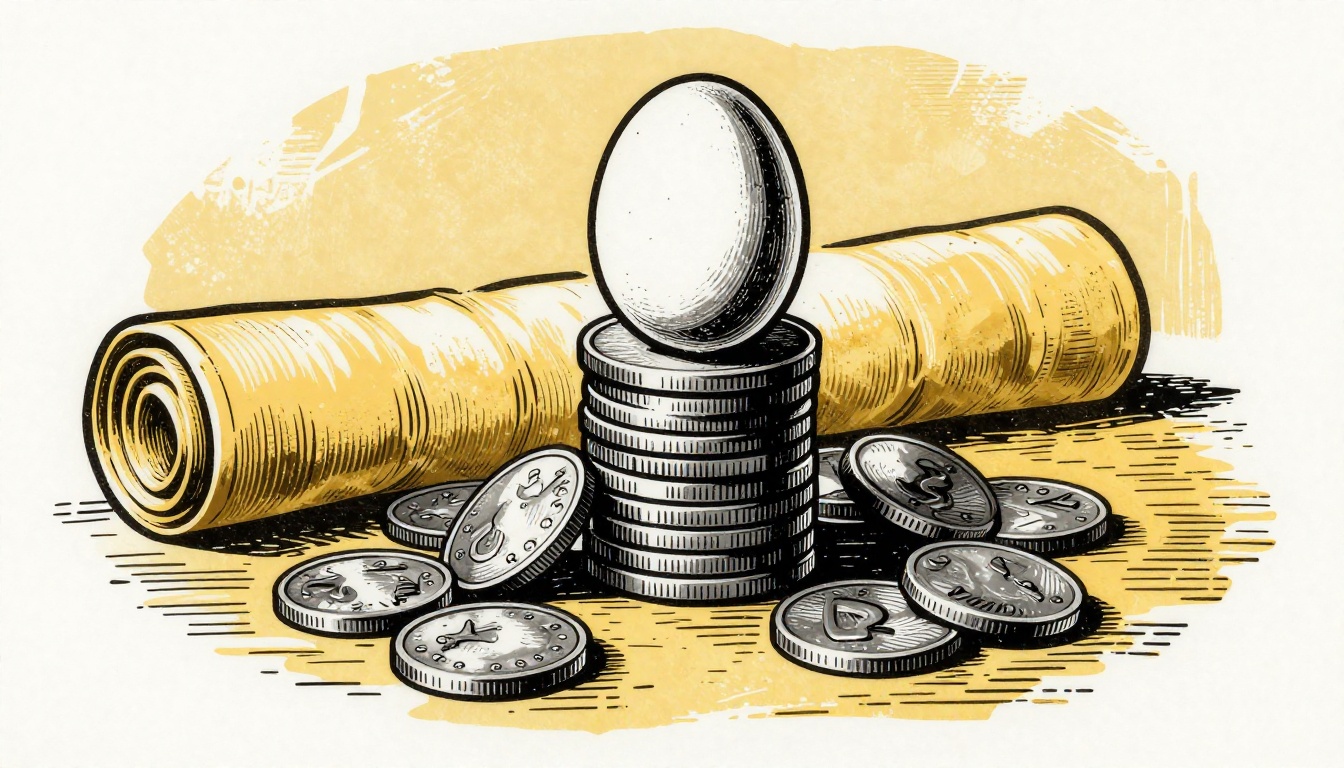
Meet the 30-year-old computer engineer who moved to Vienna last year with a €75,000 gross salary and a target that makes most Austrians choke on their Sachertorte: saving €36,000 annually. That’s not a typo. While Vienna regularly tops “most livable city” rankings, it’s also quietly become a playground for aggressive savers who’ve cracked the code on turning high costs into high savings rates. The catch? His monthly food budget is €75, his social life is practically non-existent, and his idea of leisure is reading books he shipped from his home country because buying new ones here would blow the budget.
This isn’t another “skip the lattes” lecture. This is about the Viennese-specific infrastructure that makes extreme saving possible, and the psychological price tag that comes with it.
The Vienna Paradox: Expensive City, Cheap Living
Here’s what confuses newcomers: Vienna feels expensive until you know where to look. Yes, the Lebenshaltungskosten (cost of living) can shock anyone fresh off the plane. Rental listings scream €1,200 for a 40m² Neubau (new build) in the Innere Stadt (inner district). A Wiener Melange at a tourist café costs €4.50. But beneath this veneer lies a socialist housing legacy that fundamentally changes the math.
The engineer’s secret weapon? A Gemeindebau (municipal housing unit) that keeps his housing costs at a fraction of market rate. While private market renters face the brutal reality of the understanding Austrian rental cost traps, Gemeindebauten operate on a completely different economic planet. We’re talking rents that haven’t been market-adjusted since the Social Democrats decided housing was a human right, not a commodity.
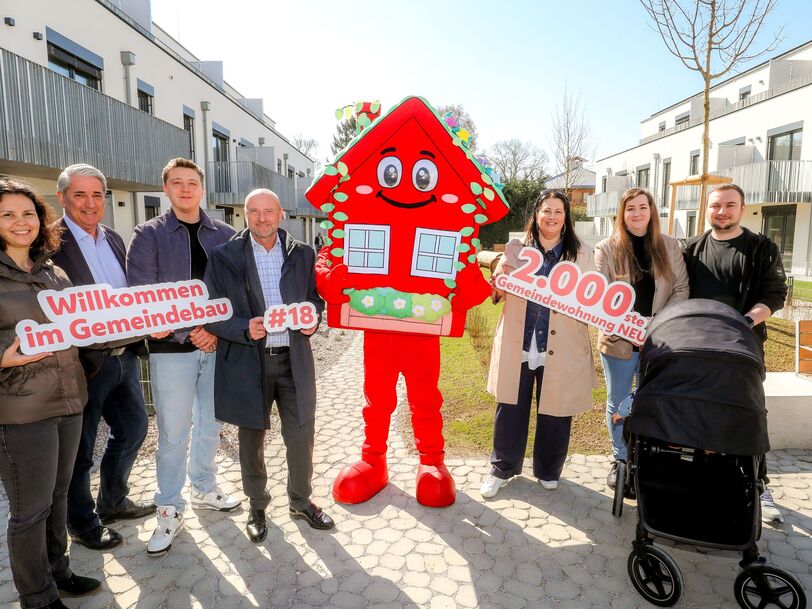
The city builds approximately 2,000 new Gemeindewohnungen (municipal apartments) annually, with recent projects like the CO₂-neutral building in Brockhausengasse showcasing Vienna’s commitment to affordable, sustainable housing. For the engineer, this means his biggest expense is locked down at a rate that would make Munich or Zurich residents weep.
The €75 Monthly Food Equation
Let’s address the elephant in the room: €75 for food. Critics immediately assume rice and beans, or worse, Kartoffelsuppe (potato soup) every night. The engineer’s actual strategy is more nuanced. He eats lunch at work (often subsidized Mitarbeiteressen), cooks dinner in batches where one meal stretches 2-3 days, and skips meat entirely. He’s not starving, he’s optimized.
This raises a controversial question: Where’s the line between disciplined frugality and self-imposed deprivation? Many international residents report that Austrian food prices, especially at discount chains like Hofer and Lidl, make such budgets feasible if you’re willing to abandon convenience. No Spar premium brands. No bio-section splurges. No organic quinoa from the Naschmarkt.
The engineer’s approach eliminates what most consider normal: no Spotify, no Netflix, no magazine subscriptions. His company provides his phone, his flat includes internet, and his entertainment is free, public libraries, Donauinsel walks, and the city’s endless free cultural events. It’s a lifestyle that works until it doesn’t.
Housing: Your Single Biggest Lever
If you’re serious about extreme saving in Vienna, housing isn’t just a line item, it’s your entire strategy. The private rental market will devour 40-50% of your net income without apology. A Genossenschaftswohnung (cooperative apartment) or Gemeindebau is the only path to keeping housing under 25% of net income.
Here’s the brutal truth: Getting into a Gemeindebau requires a Meldezettel (registration certificate) showing you’ve been registered in Vienna, often for years. You need to join the Warteliste (waiting list) early. The engineer’s advantage? He qualified through his employer-sponsored relocation, bypassing the decade-long wait many locals endure.
For those not so lucky, the Wohnberatung Wien offers the Wiener Wohn-Ticket, your entry pass to social housing. But competition is fierce. The city invests hundreds of millions annually through Wohnbauförderung (housing subsidies), but demand still outstrips supply. Your alternative? A Wohngemeinschaft (shared flat) in an Altbau (old building) where Maklerprovision (real estate commission) can still sting, but total costs stay manageable.
The Tax Optimization Game
Saving €36,000 on €75,000 gross means understanding Austrian tax law better than most locals. The engineer is in Steuerklasse (tax bracket) 1, single with no children. His €75,000 gross translates to roughly €52,000-55,000 net depending on Sozialversicherung (social insurance) contributions and Kirchensteuer (church tax) status.
But here’s where it gets interesting: Austria offers specific vehicles for aggressive savers. The Bausparen (building savings contract) provides tax-deductible contributions up to certain limits. Vermögenswirksame Leistungen (asset-building benefits) from employers can be directed into these accounts. The Finanzamt (Tax Office) allows deductions for professional development, which the engineer uses for his German courses.
The controversial part? Many of these benefits require you to stay in the system long-term. Early withdrawal penalties can erase years of gains. You’re not just saving money, you’re locking yourself into Austrian financial infrastructure.
Transportation: The €1-a-Day Mobility Hack
The engineer’s €365 annual Klimaticket (climate ticket) gives him unlimited public transport across Austria. Compare that to car owners facing €200+ monthly costs for insurance, parking, and fuel in Vienna’s Parkpickerl (parking permit) zones. The Wiener Linien system is so comprehensive that going car-free isn’t a sacrifice, it’s a financial superpower.
For suburban commuters, the Pendlerpauschale (commuter allowance) offers tax deductions that can recover 30-50% of transport costs. But the engineer doesn’t need it, he lives close enough to bike, and his Klimaticket handles everything else.
Where to Park Your €36,000
Saving is only half the battle. The engineer needs somewhere to put that €3,000 monthly surplus. Austrian savings strategy is counterintuitive. Traditional Tagesgeld (daily interest accounts) offer laughable 0.5% interest. The Bundesschatz (Federal Treasury) provides slightly better rates but locks your money.
This is where most extreme savers stumble. They optimize spending but park cash in the wrong vehicles. The optimal Austrian savings vehicles debate is fierce. Some advocate for Bausparverträge (building savings agreements) for the tax benefits. Others push Aktien (stocks) through Sparpläne (savings plans) to beat inflation.
The engineer’s strategy? He’s likely using a mix: maxing out tax-advantaged accounts first, then dumping the rest into low-cost ETFs through Austrian brokers like Flatex or Dadat. The Kest (capital gains tax) of 27.5% stings, but it’s still better than letting inflation erode purchasing power.
The Hidden Cost of Extreme Frugality
Let’s get real: The engineer admits he has “basically no friends.” His leisure requires “no money.” He’s grateful but isolated. This is the part that finance blogs gloss over.
Vienna’s social fabric runs on Kaffeehaus culture, Heuriger wine taverns, and shared meals. Opting out saves money but extracts a social tax. Many expats who attempt similar strategies report hitting a wall around year two. The Genossenschaftswohnung feels like a prison when you can’t afford to leave it. The €75 food budget becomes a source of shame when colleagues invite you to lunch.
One international resident noted: “After two years of extreme saving, I bought a second-hand motorbike on Willhaben (Austrian classifieds platform). Don’t be too frugal, over time it will consume you.” The engineer’s response? He’s planning to “limit contributions as I get older.” The sacrifice has an expiration date.
Your Actual Blueprint
- Housing: Get on the Gemeindebau waiting list yesterday. Or find a Wohngemeinschaft under €400/month. If you’re paying market rate, forget extreme saving.
- Transport: Buy the Klimaticket and sell your car. Immediately saves €200+/month.
- Food: Budget €100-150/month. Shop at Hofer, cook in batches, eliminate meat. It’s possible without malnutrition.
- Subscriptions: Zero. Use public libraries, free events, and employer-provided services.
- Tax optimization: Max out Bausparen contributions, claim all Werbungskosten (work-related expenses), consider Kirchenaustritt (leaving the church) to save 1-2% if you’re not religious.
- Income: You need €60,000+ gross for this to work. Below that, extreme saving becomes actual deprivation.
The Verdict
The €36K Vienna savings blueprint works. The city’s unique housing system, comprehensive public transport, and robust social safety net create conditions that don’t exist in London, Paris, or Zurich. But it demands a trade-off that most aren’t willing to make: years of social minimalism in exchange for financial acceleration.
The engineer’s plan targets retirement at 45-47. That’s 15 years of monk-like discipline in a city famous for its quality of life. The irony isn’t lost on anyone who understands Vienna. He’s sacrificing the present to afford a future in a city he’s not currently experiencing.
Is it worth it? That depends on your definition of wealth. If it’s a number in a brokerage account, the blueprint is proven. If it’s a life fully lived in one of Europe’s greatest cities, you might need a different strategy, one that allows for the occasional Schnitzel and Kaffee with friends.
The real lesson? Vienna gives you options. You can live like royalty on €3,000 a month or save like a miser on €4,500. The city doesn’t judge. But your future self might.
Bottom line: Start with housing. Everything else is optimization. Get your Meldezettel, register with the Finanzamt, and get on that Gemeindebau list. The rest is just details, and a lot of potatoes.