
Let me paint you a picture. It’s 2 AM, you’re exhausted, and you’ve just made it through the beautiful chaos of bringing a newborn home in Austria. Between the sleepless nights and the mountain of paperwork (because of course there’s paperwork), someone tells you the government just deposited €500 into an investment account for your baby. Then they mention it’s tax-free.
You’d think you’re hallucinating from sleep deprivation, right?
Well, pinch yourself. After months of political back-and-forth that would make even the most patient Viennese coffee house regular lose their cool, the Austrian coalition government finally agreed on the Zukunftsdepot (Future Depot) on October 17, 2026. And honestly? This might be the most parent-friendly financial policy Austria has ever produced.
Here’s what you need to know, what it means for your family’s finances, and why this is a bigger deal than most people realize.
The Short Version: What Just Happened?
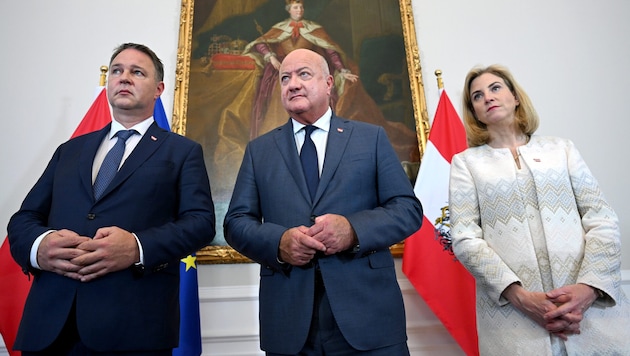
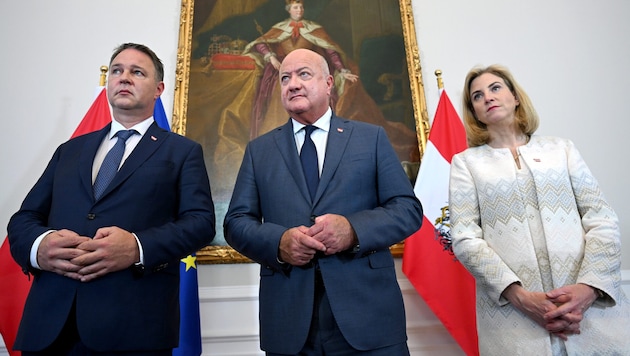
After a nine-hour “Arbeitstreffen” (working meeting) that felt more like a marathon negotiation session, Chancellor Christian Stocker, Vice-Chancellor Andreas Babler, and NEOS leader Beate Meinl-Reisinger emerged with a deal. The headline numbers:
- €500 government start bonus for every child born on or after January 1, 2027
- Up to €5,000 per year in tax-free investments, completely free from KESt (capital gains tax, normally 27.5%)
- Account locked until age 18, then released for education, housing, or career startup costs
- Depot launch: July 1, 2027, earlier than some feared
The financing comes from the Familienlastenausgleichsfonds (FLAF), the family equalization fund that already supports Austria’s family benefits. So yes, this is actual, real money being put toward your kids’ future.

The Fine Print That Actually Matters
Now, before you start planning your kid’s early retirement, let’s dig into the details. Because this is Austria, and nothing comes without conditions.
Who Gets the €500?
Only children born from January 1, 2027 onward qualify for the state’s €500 kickoff. If your child was born before that date, even on December 31, 2026, you’re out of luck on the free money. This has sparked plenty of debate, with many parents of slightly older kids feeling understandably shortchanged.
But here’s the crucial detail most people miss: your existing kids can still get the tax-free depot. The NEOS model, which appears to be the blueprint, allows all children under 18 to open a Zukunftsdepot. They just don’t get the €500 bonus. That means your 10-year-old can still benefit from 8 years of tax-free growth.
The Investment Rules
This is where the policy gets genuinely smart. According to the current framework:
Investments must be in UCITS-compliant funds (regulated EU investment funds, think quality ETFs, not penny stocks)
TER cap of 0.5%, this is huge. It explicitly excludes the overpriced bank house funds with 1.5%+ fees that have been bleeding Austrian investors for decades
No depot fees, banks must offer these accounts free of charge
Parents choose the specific investments, within the qualified universe.
If you’ve ever tried to buy a simple global ETF through your Austrian bank and been directed toward their “special” in-house fund with 2% annual costs, you’ll understand why this TER cap is revolutionary. The A2PKXG (Vanguard FTSE All-World) and similar low-cost index funds are expected to qualify.
The Math That Will Make You Reconsider Everything
Let’s talk numbers, because this is where the Zukunftsdepot transforms from “nice policy” to “genuinely life-changing financial tool.”
Say you max out the €5,000 annual contribution from birth until your child turns 18. That’s €90,000 of your own money. Using conservative historical returns of around 7% on a global equity index fund:
- Depot value at age 18: approximately €172,000
- Your contributions: €90,000
- Investment growth: €82,000
- Tax savings at 27.5% KESt: roughly €22,500
Let me repeat that: €22,500 in taxes you simply don’t pay. That’s not a rounding error. That’s a semester at university, a solid down payment on a Genossenschaftswohnung (cooperative apartment), or the freedom to start a business without suffocating debt.
Even at a more conservative €100 per month (€1,200 annually), you’re looking at around €33,900 at age 18 with 5% returns, and about €3,246 in tax savings. The zukunftsdepots.at calculator lets you model your own scenarios, and the numbers consistently impress.
The Elephant in the Room: Who Actually Benefits?
Here’s where the policy gets controversial. Not everyone is celebrating.
Critics, including the Momentum Institut, point out that the €5,000 annual contribution limit requires significant financial capacity. The reality is that many families simply can’t afford to invest €416 per month per child. The tax benefits, therefore, disproportionately favor higher-income households who can max out the allowance.
The counterargument? The €500 start bonus is universal and equal for every child. And the policy isn’t just about the rich getting richer, it’s about creating a culture of investing and financial literacy from birth. One person’s tax break is another family’s first real exposure to how capital markets actually work.
There’s also the question of what happens if the fund performs poorly. Unlike the Bundesschatz (federal treasury bond) that the SPÖ wanted as the default option, equity investments carry risk. An 18-year lock-up period means your child could inherit a portfolio that’s down 30% if they hit a market trough. Conservative investors might prefer the Bundesschatz option, which offers guaranteed returns but far less growth potential.
The Practical Questions Parents Are Asking
Can grandparents contribute?
Yes. The NEOS model explicitly allows third parties to contribute, with the €5,000 annual limit applying per child, not per contributor. So Oma and Opa can chip in for birthdays and Christmas without creating a tax nightmare.
What if we don’t open a depot?
The bonus doesn’t disappear. If parents fail to open an account, the government invests the €500 on the child’s behalf and releases it (with accrued returns) at age 18. You’re leaving money on the table by not actively managing it, but the state won’t pocket it either.
What happens at age 18?
The account unlocks. Your child gets full control of the money. This is simultaneously the policy’s greatest strength and its most terrifying aspect for parents. Eighteen-year-olds are not exactly known for their long-term financial planning. But that’s also the point, they’ll need to make decisions about education, housing, or career investments, and having real capital forces real thinking.
Can I transfer an existing child depot?
This remains unclear. If you already have a Wertpapierdepot (securities account) in your own name for your kids, the rules around transferring to the Zukunftsdepot haven’t been defined. The same applies to ETF portfolios you might want to move from international brokers. Until the Gesetzesentwurf (draft law) appears, existing accounts should probably stay put.
Why This Changes the Game for Austrian Families
Austria has historically been a nation of savers, not investors. The Sparbuch (savings book) mentality runs deep. But the Zukunftsdepot signals a real shift, the government actively encouraging citizens to engage with capital markets from birth.
For international residents, this is particularly significant. Many expats arrive in Austria assuming the conservative banking culture will limit their options. This policy proves otherwise. Combined with Austria’s unique ETF tax treatment, the Zukunftsdepot offers something genuinely rare: a government-sponsored path to wealth building without the usual bureaucratic friction.
The financial literacy angle can’t be overstated either. Kids who grow up knowing their Zukunftsdepot exists, watching it grow (or shrink) with market cycles, develop intuition about investing that most adults never gain. This is financial education that no school curriculum can replicate.
The Bottom Line
Is the Zukunftsdepot perfect? No. The €500 bonus excluding pre-2027 children stings. The €5,000 annual cap favors the financially comfortable. The start date of July 2027 feels unnecessarily delayed. And there’s still the small matter of whether Austria should impose domestic investment mandates, a debate that could reshape the policy before it launches.
But here’s the thing: this is real, concrete, and genuinely valuable. If you have children or are planning to have them in Austria, the Zukunftsdepot should be part of your family financial planning. Start thinking now about how you’ll contribute, which funds you’ll choose, and what you want that money to accomplish by the time your child turns 18.
The Austrian banking system might operate with the same efficiency as a Viennese coffee house, slow, ritualistic, and fond of paperwork, but occasionally, it delivers something worth getting excited about. The Zukunftsdepot is one of those moments.
Your move: When the Gesetzesentwurf (draft law) appears in the coming weeks, don’t skim past it. This policy will shape your children’s financial future, and the least you can do is understand it before your bank tries to explain it to you.