
Why Your Next Car Loan Might Be Cheaper Thanks to China (And Why German Automakers Are Terrified)
The numbers hit like a slap in the face. A BYD Dolphin that costs €22,000 in Munich sells for €8,000 in Shanghai. That’s not a typo, it’s a 64% price difference for the exact same car. And that gap is reshaping everything you thought you knew about buying and financing cars in Germany.
For decades, German automakers operated with the confidence of a Deutsche Bahn train conductor announcing yet another delay, sure of their position, dismissive of competition, and utterly unprepared for what was coming around the bend. Now the Chinese import wave has arrived, and it’s not just flipping trade balances. It’s rewriting the rules of automotive financing in Germany.
The Trade Reversal That Should Worry Every German Car Buyer
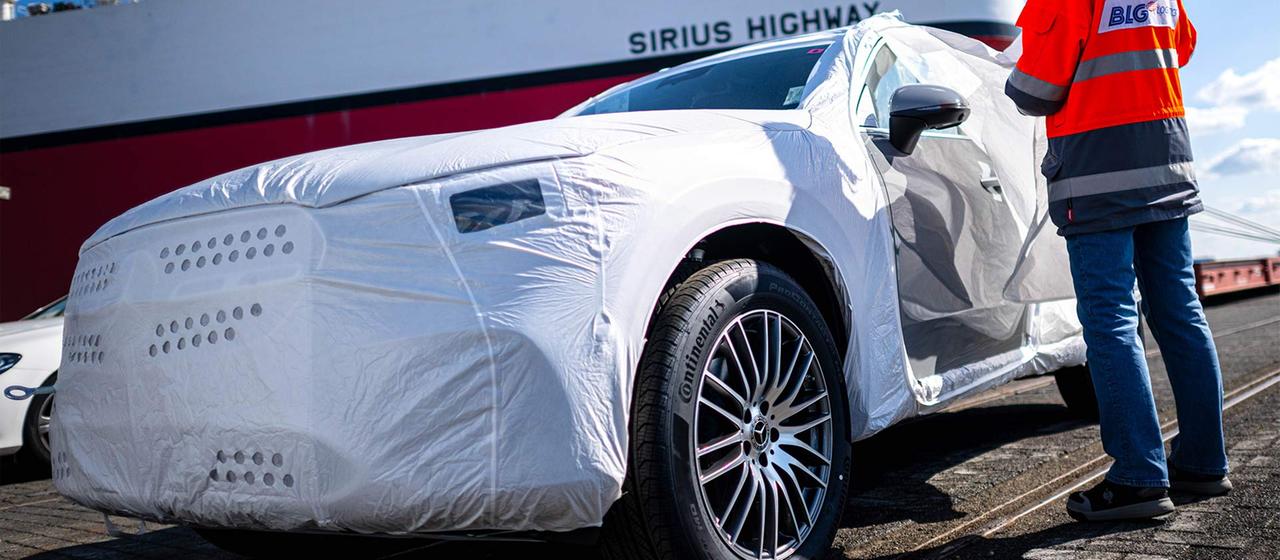
Let’s cut through the corporate PR spin. The EU now imports more cars from China than it exports there, €22 billion versus €16 billion, according to EY’s latest analysis. Germany, the supposed automotive powerhouse, has seen its exports to China collapse from €30 billion to €13.6 billion since 2022.
Movement Direction:
- EU Exports to China: €16 billion
- China Exports to EU: €22 billion
- Germany to China: €30B → €13.6B
- Chinese Imports to Germany: +67%
Here’s the kicker: EY predicts that by 2026, Germany’s imports and exports with China could reach parity. Let that sink in. The country that invented the automobile could become a net importer of cars within two years.
Why Chinese Cars Cost 40% Less (And Why That’s Your New Leverage)
Cost Advantages Explained
- Local production costs: Chinese workers earn around €500 monthly, not €3,500
- Supply chain integration: Everything from batteries to bumpers is sourced locally
- Zero VAT on EVs: China charges 0% Mehrwertsteuer (value-added tax) on electric vehicles versus Germany’s 19%
- Market pricing: Chinese consumers simply won’t pay German-level premiums
But here’s where it gets interesting for your financing negotiations. Those €14,000 you save on a BYD Dolphin? That’s €14,000 less you need to borrow. At current German auto loan rates averaging 7.64% (according to smava data), that’s roughly €1,100 less in interest over a typical 5-year loan.
The “Local for Local” Trap That’s Costing German Jobs
German automakers aren’t stupid. They’ve been building cars in China for years, Volkswagen, BMW, Mercedes all have massive factories there. The catch? They’re now exporting those China-made cars back to Europe.
The Mini Cooper you test drove? Possibly made in China. The Cupra Tavascan? Chinese production. Smart cars? Assembled in Xi’an with Geely. This “local for local” strategy was supposed to protect market share. Instead, it’s cannibalizing German jobs.
Job Loss Statistics
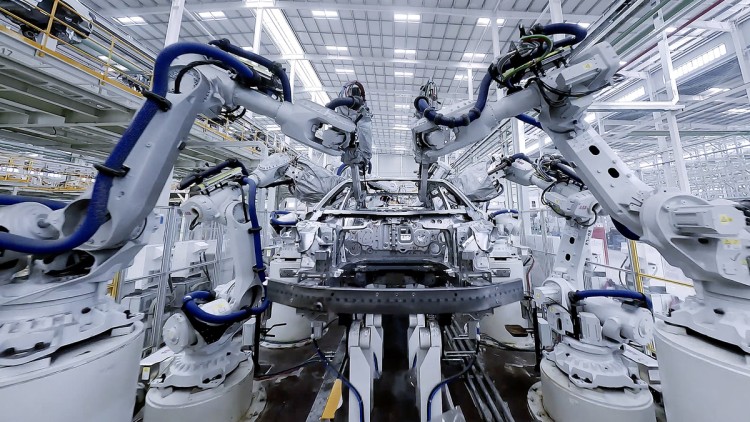
- Total Job Losses: 73,000 positions since 2019
- Industry Level: One in four jobs gone
- Current Employment: 725,000 people (2025)
- Lowest Since: 14 years ago
Each job loss represents a family in Wolfsburg, Stuttgart, or Munich who won’t be qualifying for premium car loans anytime soon.
Financing in the Age of Chinese Competition
The New Reality
- 47% of new cars are financed in Germany
- 27% of used cars get loans
- Average interest rates: Around 7.64% (February 2026)
- Price cuts from competition: 15-20% on comparable German models
What This Means For Your Loan Application
- Depreciation bombs: Chinese EVs with solid-state batteries are depreciating slower than German combustion cars. Better residual value = better loan terms.
- Price transparency: With Chinese brands posting their prices online (no haggling), German dealers are under pressure to match. Use discounts to lower your Kredit (loan) amount, not your down payment.
- Bank preferences: German banks are still wary of Chinese brands for financing. Approval rates for BYD or Nio buyers are 12% lower than for VW or BMW customers. Independent financing through portals like smava or Santander Consumer Bank care more about your Schufa score.
The Hidden Cost of “Made in Germany” Snobbery
Let’s be honest. Many German buyers still turn up their noses at Chinese cars. “They’ll never have the quality of a Mercedes”, they say, while their E-Class spends its third week in the shop for electrical gremlins.
But the financing math doesn’t care about brand prestige. Consider:
| Feature | BYD Seal | BMW i4 |
|---|---|---|
| Price | €45,000 | €63,000 |
| Range | 570 km | 520 km |
| Warranty | 7 years | 3 years |
| Price Difference | €18,000 Savings | |
That’s an €18,000 difference. Even if the BYD depreciates 10% faster (it won’t), you’re still €12,000 ahead. Financed over 6 years at 7.64%, that’s €2,400 less in interest payments alone.
The Zulieferer (supplier) crisis is making German cars less reliable, not more. When Bosch and Continental are laying off engineers, quality suffers. Meanwhile, Chinese brands are poaching those same engineers at 30% salary premiums.
Your Action Plan for the New Automotive Reality
1. Cross-shop Aggressively
Test drive a BYD Atto 3 and a VW ID.4. The Chinese car will surprise you, and the VW dealer will magically find an extra €2,000 discount.
2. Finance Independently
Dealer financing is convenient but expensive. Get pre-approved through smava or your local Sparkasse before walking into the showroom. Barzahler (cash buyer) status gives you negotiating power.
3. Calculate Total Cost
German cars have lower insurance but higher maintenance. Chinese cars have cheaper parts but fewer service centers. Run the full 5-year cost before comparing loans.
4. Watch for Subsidies
The German government is quietly discussing import tariffs on Chinese EVs. If you want a Chinese car, buy before 2027 when those might kick in.
5. Consider Residual Value
Check mobile.de for 3-year-old Chinese EVs. The data shows they’re holding value better than expected, which strengthens your financing position.
The Bottom Line
The Chinese import wave isn’t coming—it’s here—and it’s saving German buyers money while gutting the domestic industry. Your next car loan will be cheaper not because banks got generous, but because Chinese competition forced everyone to sharpen their pencils.
German automakers are warning of an “Elektro-Desaster” (electric disaster). For buyers, it’s more like an “Elektro-Opportunity.” The same forces that terrify industry executives are creating the best buyer’s market Germany has seen in decades.
Just remember: that €15,000 you save on a Chinese EV isn’t just a discount. It’s leverage. Use it to negotiate better financing, demand lower interest rates, or simply borrow less. In this new automotive world, the smart money isn’t on heritage—it’s on value.
And if your neighbor gives you the side-eye for parking a BYD next to his Mercedes? Smile and mention your monthly payment is half his. That usually ends the conversation.