
Trump’s Crypto Circus: Why Your German Banker Isn’t Losing Sleep Over US Market Drama
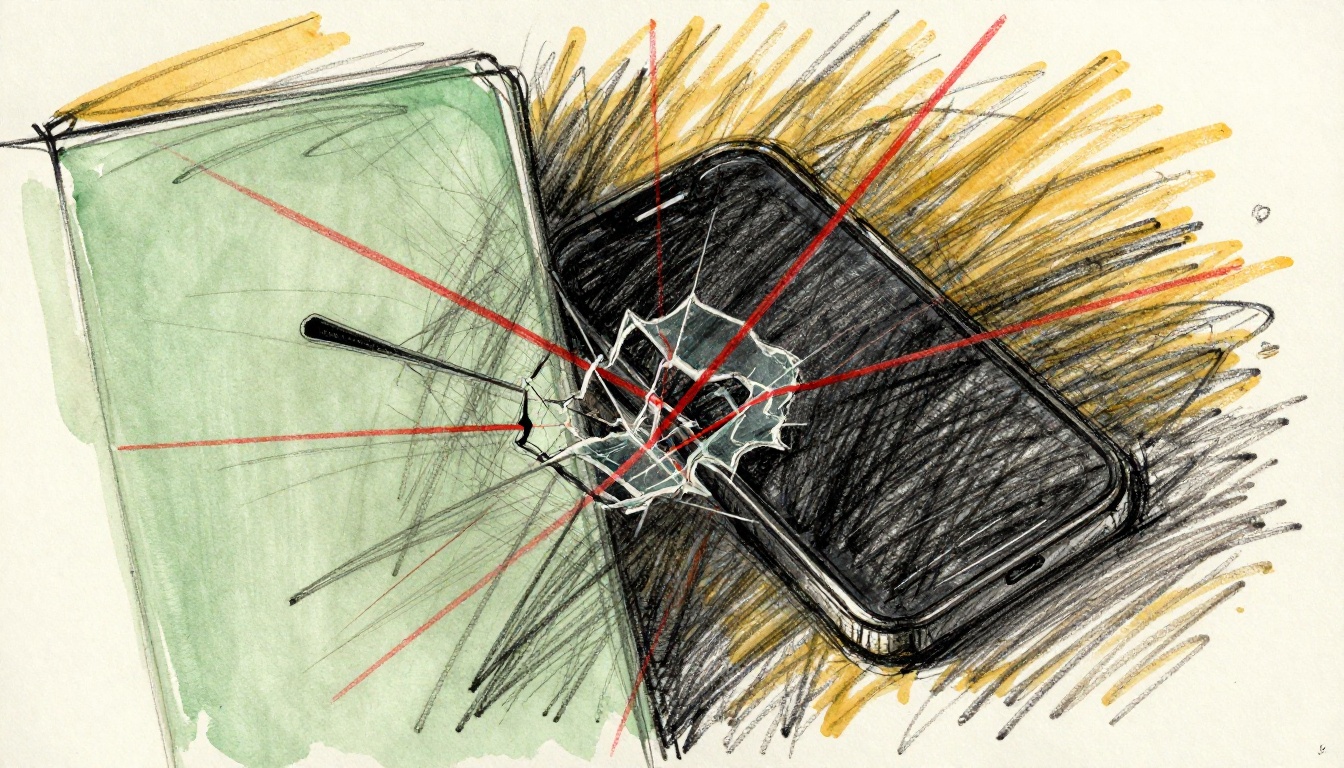
You’re sitting in your Berlin WG (shared apartment) kitchen, refreshing your crypto portfolio while your Mitbewohner (roommate) rants about rising Warmmiete (warm rent). Suddenly your phone explodes with notifications, Trump’s done something crazy with crypto again, markets are tanking, and that Telegram group of American traders is screaming about “market manipulation.” Your first thought: “Should I sell?” Your second thought: “Wait, I’m in Germany. Does any of this actually affect me?”
Here’s the uncomfortable truth: while US crypto markets swing like a pendulum on espresso, Germany’s financial watchdogs watch with the same expression your landlord makes when you ask to pay rent late. Unimpressed. Slightly annoyed. And completely unbothered.
The “Taco” Phenomenon: When US Politics Becomes Market Theater
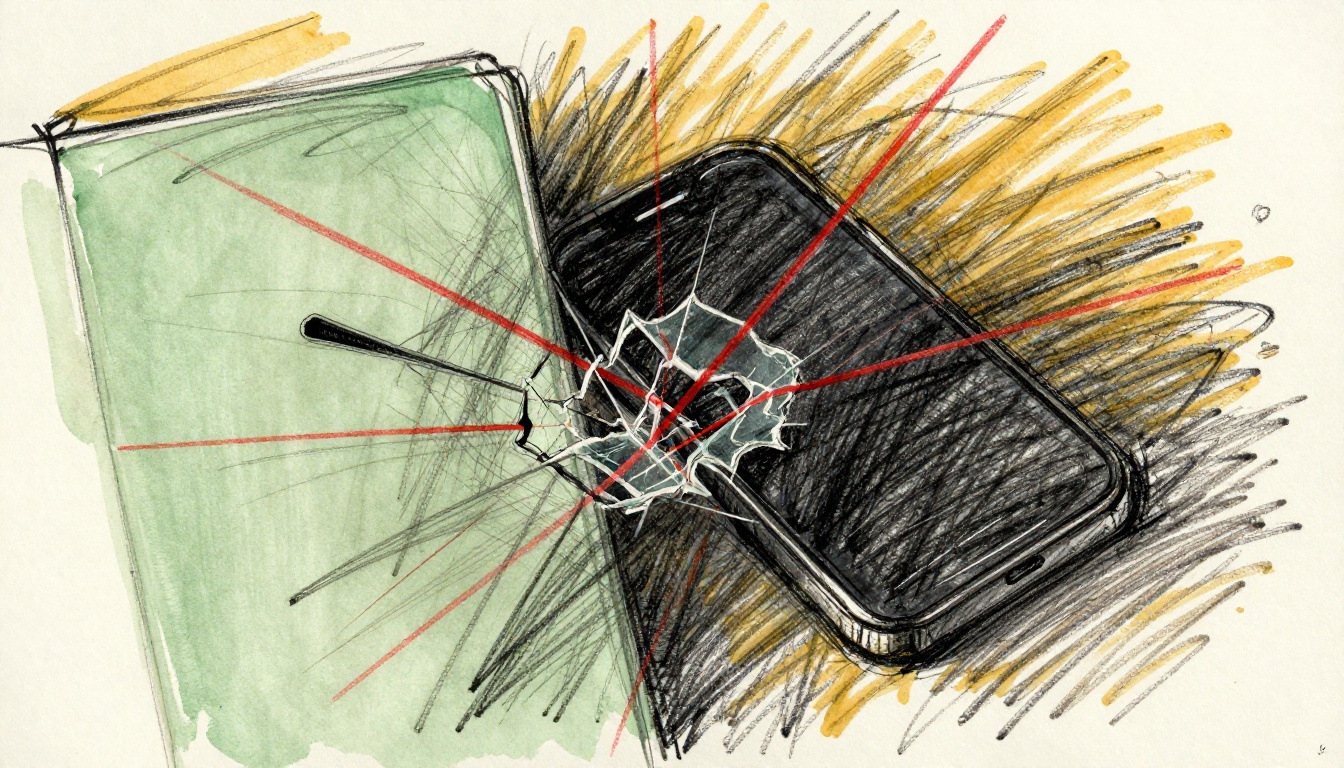
German news outlet n-tv recently highlighted what American traders call the “Taco” trade, an acronym for “Trump always chickens out.” The pattern is depressingly predictable: Trump makes bombastic threats, markets panic, then he backpedals when the political heat gets too intense. Last week, it was about Iran and oil prices. Before that, tariffs on China. Now, it’s crypto regulations that suspiciously benefit his family’s ventures.
The research shows a troubling pattern. According to the Guardian’s analysis, new SEC guidelines published under Trump’s appointed chair Paul Atkins create a “token taxonomy” that conveniently exempts meme coins and similar speculative assets from securities oversight. This means the Trump family’s $Trump and $Melania meme coins, plus their World Liberty Financial venture, avoid the strict disclosure requirements that protect ordinary investors.
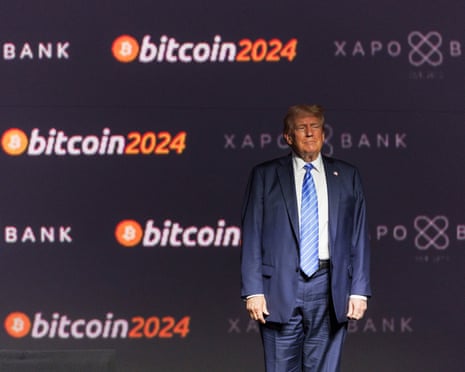
German investors watching this unfold should feel a mix of schadenfreude and relief. While American regulators rewrite rules to favor the president’s family, your investments in Germany operate under BaFin (Federal Financial Supervisory Authority) oversight that treats crypto with appropriate skepticism.
Why BaFin’s “Boring” Approach Suddenly Looks Brilliant
Let’s be honest, most of us have complained about German financial conservatism. The endless paperwork at the Sparkasse. The skeptical look when you mention crypto to your Finanzberater (financial advisor). The fact that Germany taxes crypto gains only if held less than one year, treating them like speculative assets rather than legitimate investments.
But watching the US circus, this conservatism reveals itself as protection.
When the SEC chair declares his agency is “not the ‘securities and everything commission’ anymore” to applause from crypto lobbyists, German regulators quietly continue requiring actual disclosures. While Trump associates allegedly profit from advance knowledge of regulatory changes, what looks suspiciously like Insiderhandel (insider trading), BaFin maintains strict rules about information asymmetry.
The difference is stark: US crypto regulation now resembles a Wild West saloon where the sheriff’s family owns the casino. German regulation, for all its frustrating bureaucracy, at least pretends to create a level playing field.
Practical Implications for Your German Crypto Holdings
So what does this mean for you, the international resident with a Coinbase account and a German bank account that freezes every time you try to fund it?
- First, understand that your German financial institution is legally required to treat crypto transactions as high-risk. When Commerzbank or Deutsche Bank flags your transfer to a crypto exchange, they’re not being difficult, they’re following BaFin’s anti-money laundering directives. Annoying? Yes. But it’s the same scrutiny that would have caught suspicious trading patterns around Trump’s announcements.
- Second, if you’re holding crypto while living in Germany, your Steuererklärung (tax return) requires you to declare gains, even from US-based trades. The Finanzamt (Tax Office) doesn’t care that Trump’s SEC calls your tokens “digital collectibles”, if you made money, they want their share. The holding period matters: over one year and it’s tax-free, under one year and it’s taxed as income.
- Third, consider whether you want exposure to assets that US regulators now openly admit have “no mandatory disclosure” and “no anti-fraud protections under securities laws”, as legal expert Stephen Aschettino noted about the new guidelines. German investors have grown up in a system where such statements would cause immediate regulatory action, not industry applause.
The Expat Dilemma: When Two Systems Collide
Many international residents in Germany maintain US investment accounts while navigating German tax residency. This creates a compliance nightmare that makes the Anmeldung (registration) process look simple by comparison.
Here’s what you need to know:
– German tax residency means worldwide income declaration. Those crypto gains from US exchanges? Declare them.
– US citizens face additional FATCA reporting requirements. Your German bank is already reporting your account balances to the IRS.
– BaFin’s crypto stance is increasingly relevant even for foreign-held assets. If you’re tax-resident in Germany, BaFin’s consumer protection concerns apply to your financial decisions, regardless of where you trade.
The Trump controversy reveals why Germany maintains these strict controls. When regulators become cheerleaders for speculative assets that benefit the powerful, ordinary investors get burned. Your German bank’s skepticism isn’t outdated, it’s a firewall against exactly this kind of manipulation.
What German Investors Should Actually Watch
Instead of obsessing over Trump’s latest tweet, German crypto investors should focus on:
- BaFin’s evolving guidance: The regulator is gradually clarifying its stance on DeFi, staking, and lending. These directly impact your tax obligations and legal standing.
- EU’s MiCA regulation: The Markets in Crypto-Assets framework will harmonize rules across Europe, potentially making German crypto investments more straightforward while maintaining consumer protections.
- Sparkasse crypto services: Several savings banks now offer crypto custody services, a typically German compromise between innovation and caution. These products come with the same deposit insurance discussions and risk disclosures you’d expect.
The Bottom Line: Location Matters More Than Twitter
Your investment strategy should reflect where you live, not where the drama happens. While American traders try to front-run Trump’s next “Taco” moment, German residents benefit from a system where the Finanzamt doesn’t care about political theater, only about consistent rules and tax compliance.
The Trump crypto controversy isn’t just about potential insider trading. It’s a case study in why Germany’s admittedly frustrating financial bureaucracy exists. When you complain about the GEZ (broadcasting fee) or the complexity of Krankenversicherung (health insurance), remember: these systems were designed to prevent exactly the kind of regulatory capture happening in the US crypto markets.
Your German banker isn’t losing sleep over Trump’s crypto circus because they know that here, the rules still matter more than the connections. And for investors, that’s not a bug, it’s a feature worth preserving.
So next time your Sparkasse advisor gives you that look when you mention crypto, thank them. They might be saving you from becoming a statistic in the next US regulatory scandal.