
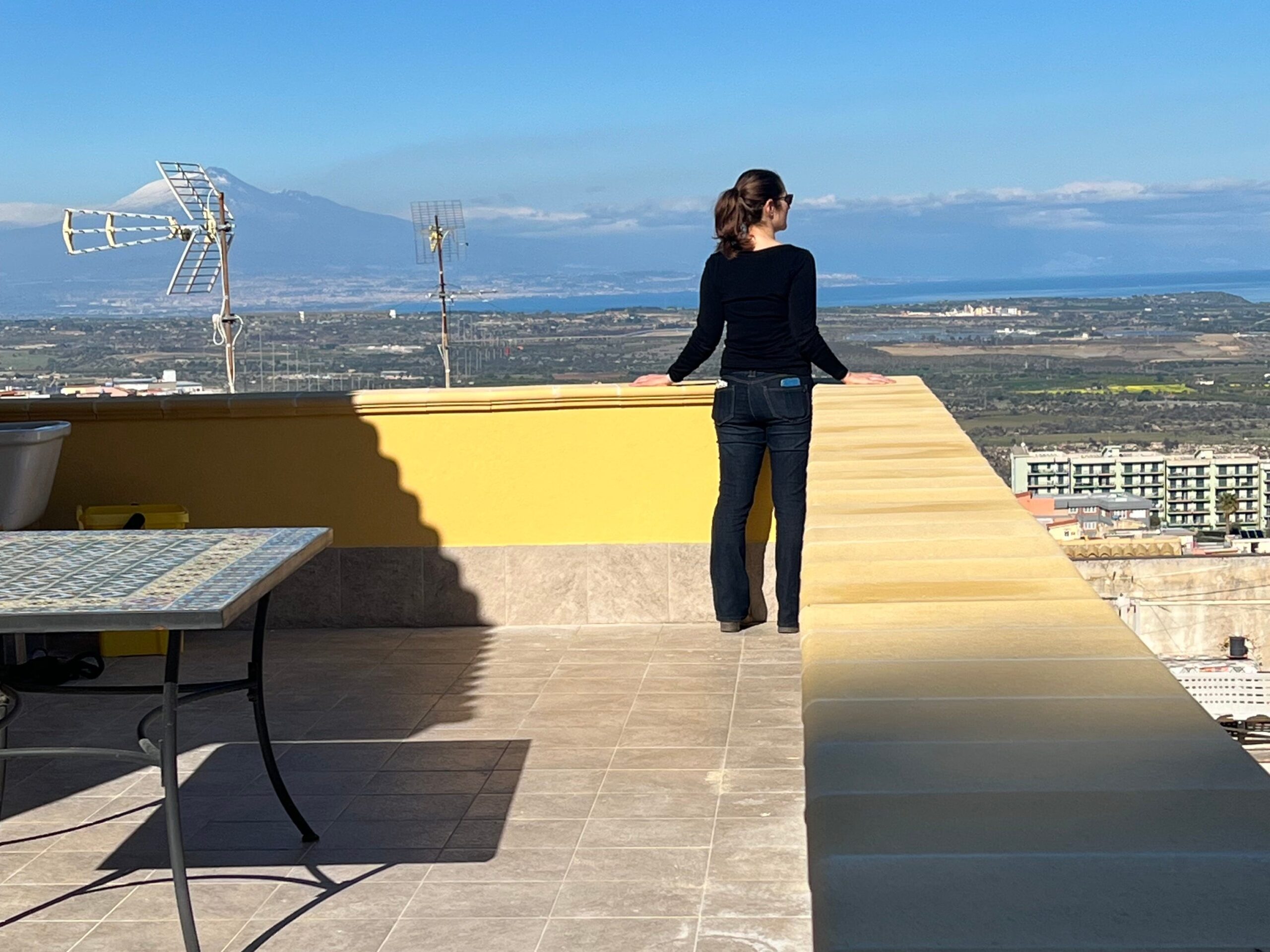
Picture this: A charming stone house in Sicily, 150 meters from the crystal-clear Mediterranean, listed for just €80,000. For Raphael and Luisa from Braunschweig, it seemed like the answer to their housing prayers. In Germany, they couldn’t afford property. In Sicily, they could buy a holiday home outright. What could possibly go wrong?
Everything. Absolutely everything.
The couple’s story, recently documented in Der Spiegel, reads like a financial horror story that’ll make you think twice before scrolling through Italian property listings at 2 AM. The dream house? It turned out to be illegally constructed. The eventual price tag? Nearly four times the initial purchase price. And the timeline? Almost two years just for the building permit.
The “Bargain” That Wasn’t Legal
Here’s what happens when you fall in love with a listing before checking the permits: The house Raphael and Luisa purchased was, unbeknownst to them at the time, illegally built. This is not a rare occurrence in parts of southern Italy. In Sicily particularly, the gap between what’s documented and what actually stands on the ground can be substantial.
The couple did manage to legally “heal” the property through a process of subsequent legalization. But even after that, they discovered the constraints: They could live in it. They could renovate it. But expand it? No. Even small modifications sometimes required additional permits.
The legal journey consumed nearly two years. If you’re keeping score at home, that’s 24 months of property taxes, insurance, and pure bureaucratic stress before they could even begin serious work. This is the reality of Italian real estate that glossy listing photos rarely convey.
The Financing Puzzle: When Italian Banks Say No
Italian banks refused to finance this purchase. That’s your first red flag. When local banking institutions with access to local property records and legal assessments decline a loan, it’s worth asking why.
Raphael and Luisa pivoted to German banks, securing two consumer loans totaling €109,000 (€74,000 and €35,000) for the purchase price and €10,000 in ancillary costs. Consumer loans. Not mortgages. The distinction matters because consumer loans typically carry significantly higher interest rates and shorter terms.
The couple’s combined household income of €150,000+ made them attractive to German lenders despite the Italian legal uncertainty. But this financing approach meant they were paying consumer credit rates for what was essentially a real estate investment.
Renovation Costs: A Numbers Game You’ll Lose
The structural reality of the Sicilian house was sobering. Significant damage to concrete, steel reinforcement, and the building’s statics meant this wasn’t a cosmetic refresh. This was open-heart surgery on a building.
Total renovation costs? €210,000. Combined with the €80,000 purchase price and €10,000 in ancillary costs, the family was suddenly staring at €300,000 for a property they initially thought would cost them €90,000 all-in.
To fund this, €160,000 came from private loans from family members. The remaining €50,000? From savings. This isn’t just risky, it’s the kind of financial arrangement that can strain marriages and family relationships when unexpected events occur. What happens if a family lender faces their own financial emergency and needs the money back? What if the renovation uncovers more structural surprises?
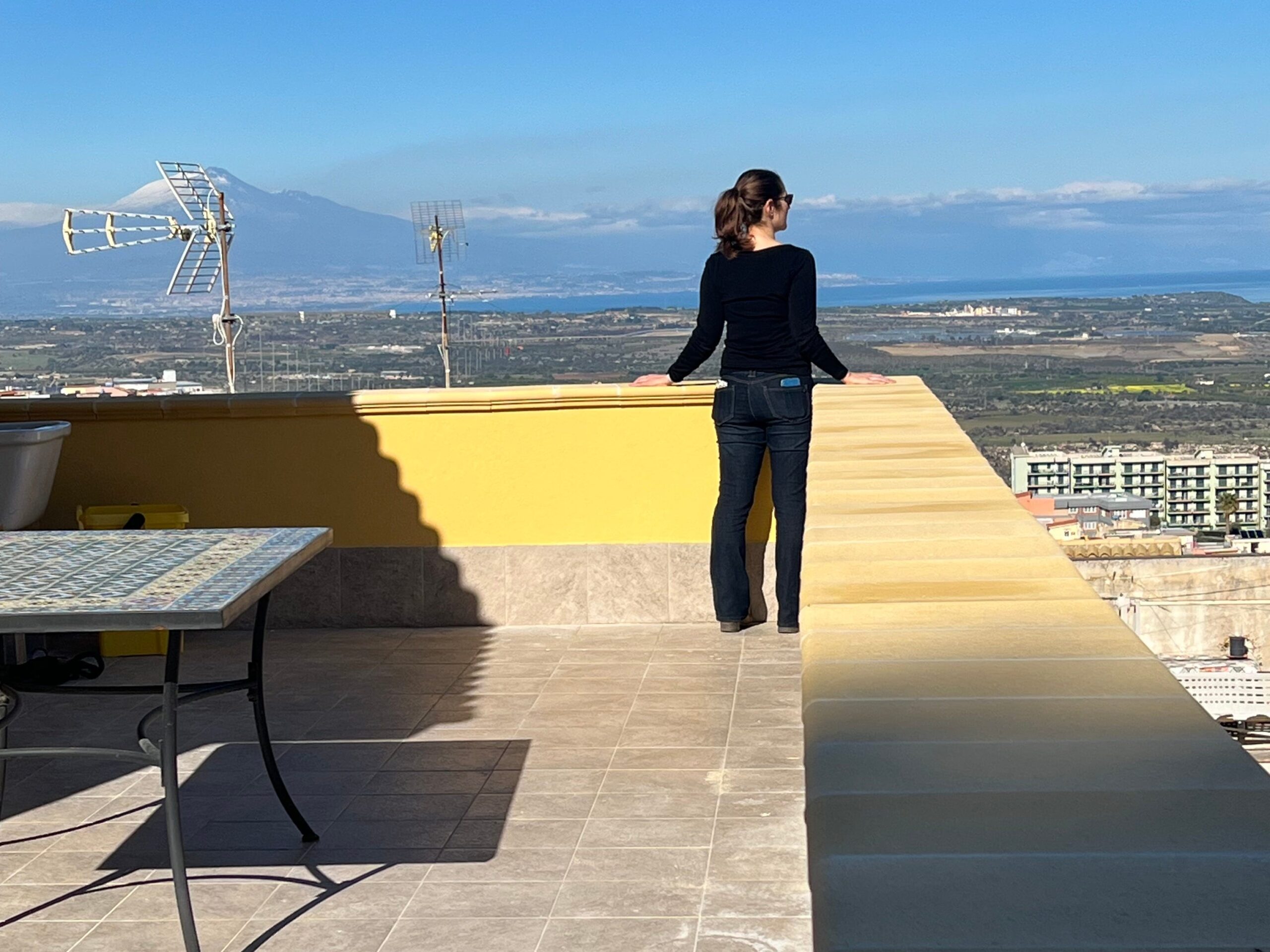
The Rental Revenue Math That Doesn’t Work
Here’s where the story gets particularly optimistic. The couple plans to rent the property for €250 per night with a 35% annual occupancy rate. That yields approximately €30,000 in annual revenue. After costs and taxes, they “hope” to retain about 30%, translating to €9,000 yearly returns.
Let’s put that in perspective: €9,000 annually on a €300,000 total investment is a 3% gross return. Even before factoring in the interest on their German consumer loans and the family loans, this is not a compelling investment. For comparison, a simple ETF savings plan tracking global markets would likely deliver better risk-adjusted returns with zero weekend trips to deal with a broken water heater.
Skeptics of the revenue projections point out valid concerns. The €250 nightly rate for the Sicilian countryside, while achievable in prime locations like Taormina or Syracuse, is generous for a rural property. Summer months might justify premium pricing, but occupancy during shoulder seasons is far less certain.
The Risky Calculation of “Sei Mutig” (Be Brave)
The couple’s advice to others dreaming of Italian holiday homes? “Be brave.” Easy to say when you’re staring down a €150,000+ household income and have family members willing to extend €160,000 in private credit.
Compare this with the more modest experience of another expat couple who purchased a fully habitable property in Melilli, Sicily for €57,000, without ever visiting it first. They needed no renovation beyond a kitchen installation costing under €1,500. That’s a different risk profile entirely: habitable property, no construction permits needed, no structural remediation.
The difference between these two stories isn’t luck. It’s the difference between buying a functioning home and buying a building project masquerading as a bargain.
What German Buyers Must Check Before Italian Property Dreams
The permit trail is non-negotiable. Before signing anything, obtain the property’s Conformità Urbanistica (building compliance certificate) and check it against what actually exists on site. Hire an independent Italian lawyer or geometra (surveyor) to verify the property’s status. This service might cost €2,000-€5,000, but it’s cheap insurance against a €200,000 mistake.
Local banks are information sources, not just lenders. When local banks decline to finance a property, it often signals issues you haven’t uncovered yet. Their reluctance isn’t about your credit history, it’s about the property itself.
Renovation quotes in Italy require generous buffers. The €210,000 renovation bill on an €80,000 property reveals how quickly structural surprises escalate. Professional inspections before purchase can identify many of these issues, but even then, Italian construction standards and materials from earlier eras can hide serious defects.
Family loans complicate everything. Borrowing from relatives for speculative investments creates financial entanglements that can transform into personal conflicts. If a family lender needs capital during a crisis, you face the impossible choice between selling a struggling asset at a loss or damaging a relationship.
The Verdict: In Italy, Cheap Houses Cost More
The Sicilian property market remains seductive. €1 houses in picturesque villages. €57,000 apartments in mountain towns. €80,000 structures near the sea. These prices exist for reasons that don’t always make it into the listing descriptions.
For German residents dreaming of Mediterranean holiday homes, the lesson from Raphael and Luisa’s journey is clear: The purchase price is the beginning of the financial story, not the end. Between legal compliance, structural realities, and realistic rental projections, the gap between dream and reality can cost three times your initial budget.
The couple will eventually finish their renovation in 2026. They’ll have a beautiful home they love. But when they’re sitting on their terrace watching the sun set over the Mediterranean, they’ll still be paying off consumer loans, family debts, and interest on a “bargain” that cost them nearly everything they had.
Before you click “contact seller” on that charming Italian ruin, ask yourself: Are you brave enough to handle the answer?