
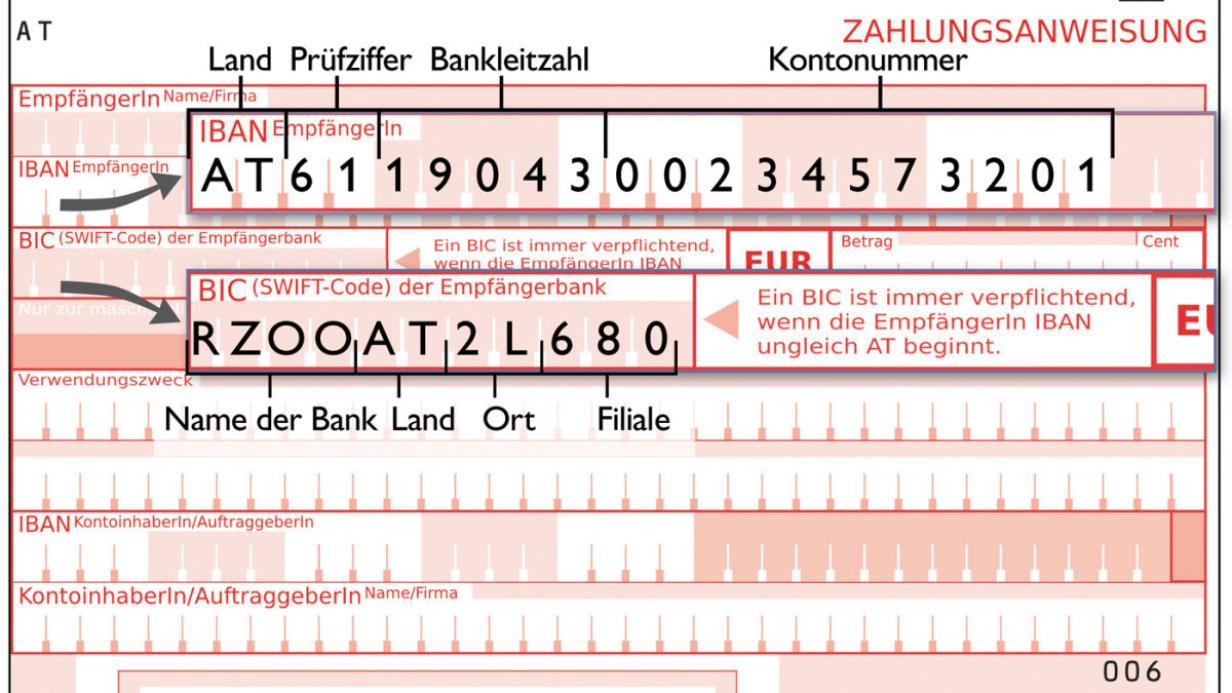
You’ve checked your Revolut app for the hundredth time this month, scrolling through your account details, hoping to see those two magical letters appear before the digits: “AT.” Still LT. Still Lithuanian.
If you’re an Austrian Revolut user, you’ve been stuck with a Lithuanian IBAN since day one. And for years, that’s meant one thing: tax season is a nightmare. Every interest payment, every dividend, every trade trigger—you’ve had to manually report it all to the Finanzamt (Tax Office) because Revolut wasn’t registered locally.
But things are changing. The AT IBAN is coming, and with it, a potentially seismic shift in how Revolut users in Austria handle their taxes.
The Lithuanian Problem Nobody Warned You About
Here’s the thing about holding a Lithuanian IBAN while living in Austria: it’s not just an inconvenience—it’s a tax trap.
Austrian residents are required to pay Kapitalertragssteuer (KESt) at 27.5% on all investment income, including interest from savings accounts. When your bank is registered in Austria, they handle this deduction automatically. That’s why your Erste Bank account or your Raiffeisen account never requires you to think about interest taxes—it’s already been deducted before the money hits your account.
But Revolut, operating through its Lithuanian entity, wasn’t doing this. No automatic KESt deduction. No reporting to Austrian authorities. Just a beautiful, tempting app full of interest-paying savings features with zero tax infrastructure behind it.
That put every Austrian Revolut user in an uncomfortable position. You had two options:
- Be honest: Track all your Revolut interest and investment income manually, report it on your annual Steuererklärung (tax return), and pay the 27.5% KESt yourself through the Veranlagung process.
- Risky silence: Hope nobody notices the gap between what your Austrian accounts report and what Revolut actually paid you.
Many users opted for option two, hoping the Finanzamt wouldn’t cross-reference foreign investment accounts. A dangerous game, especially as Austrian tax authorities have been intensifying data-sharing through the OECD’s Common Reporting Standard. The banking secrecy that once made Austria a haven for quiet wealth has evaporated—and your Lithuanian IBAN wasn’t as invisible as you thought.
What the AT IBAN Actually Changes
So when Revolut announced it’s migrating Austrian customers to local AT IBANs through a registered Austrian branch (Zweigniederlassung), the news sparked genuine excitement. And with good reason.
According to Revolut’s own help documentation, Austrian customers who’ve been transferred to the Austrian branch will receive their new AT IBAN, with their old LT IBAN continuing to work for incoming transfers. New customers opening accounts after the branch launch will get AT IBANs immediately.
But here’s what’s really got people talking in the Austrian finance community: Does an Austrian IBAN mean Revolut becomes “steuereinfach” (tax-simple)?
The short answer is yes—but with some important caveats.
Once Revolut establishes its Austrian branch, it becomes legally obligated to withhold KESt on capital gains and interest income for Austrian-tax-resident customers. That’s the same system used by every domestic Austrian bank. Interest on your Revolut savings account would be paid out net of the 27.5% deduction. Investment gains from stocks and ETFs would also be taxed automatically.
The “steuereinfach” designation means the bookkeeping burden shifts from you to Revolut. No more manual tracking. No more quarterly panic when you realize you’ve earned €47 in Revolut interest that you completely forgot to report.
The Mixed Signals That Have Users Confused
Here’s where it gets complicated. While the Austrian branch registration appears to be happening, the timeline is frustratingly vague. Help articles describing the AT IBAN have been live for months. Revolut employees were reportedly hired for the Austrian branch as far back as last year. But the branch still hasn’t appeared on the FMA’s (Financial Market Authority) official list of registered financial institutions.
Users are noticing this disconnect. Some have spotted the Revolut Bank UAB Austrian branch already appearing in commercial registry documents—FN 682356s, to be exact—which suggests real progress behind the scenes.
But the confusion runs deeper than just timing. There are legitimate questions about whether the AT IBAN migration automatically triggers tax compliance, or if that’s a separate process.
Here’s the key insight: The IBAN itself isn’t what makes Revolut tax-compliant in Austria. The branch establishment is. The IBAN is just a bank account identifier—having an AT-prefixed IBAN without a locally registered branch would be meaningless from a tax perspective. But because Revolut is establishing an actual Austrian operational presence, the IBAN migration and tax compliance are happening together.
That’s why the AT IBAN rollout matters so much. It’s the visible symptom of a much bigger regulatory change happening behind the scenes.
The Fine Print: What AT Users Still Need to Watch
Before you start planning a celebration, let me hit you with some sobering reality.
Existing KESt gaps don’t disappear: If you’ve earned Revolut interest or investment gains in previous years and haven’t reported them, the AT IBAN migration doesn’t retroactively erase those obligations. Austrian tax authorities can go back years when they identify undeclared investment income. If you’ve got historical Revolut earnings you haven’t reported, consider consulting a Steuerberater (tax advisor) about the Nachzahlung (back payment) process—it’s typically more forgiving to self-report late than to get caught in an audit.
The “steuereinfach” transition isn’t automatic for existing investments: While new income after the branch opens will likely be taxed correctly, the transition period could be messy. Make sure your tax identification data in Revolut is up to date—your Austrian Steuernummer (tax number) and birth date need to be properly registered for the bank to compute your KESt correctly. If something’s missing, Revolut might not withhold properly, leaving you back in manual reporting territory.
Crypto products remain unregulated: Even with the Austrian branch established, Revolut’s crypto trading operates through separate entities (Revolut Digital Assets Europe Ltd in Cyprus, among others). Crypto income has always occupied a bizarre grey zone in Austrian taxation anyway. The AT IBAN changes nothing about how crypto gains are handled—they still need to be tracked manually and reported through the crypto tax fields on Finanzonline, Austria’s electronic tax portal.
What This Means for Your Austrian Financial Setup
Let’s step back and look at the bigger picture.
Revolut’s Austrian branch isn’t just about IBAN numbers and tax percentages—it’s about the changing landscape of Austrian banking fees and financial transparency. Traditional Austrian banks have enjoyed a comfortable position with fees that would make a budget-conscious expat weep. The arrival of neo-banks like Revolut—backed by the regulatory muscle to establish local branches—is a direct challenge to that status quo.
If you’ve been using Revolut as your main account, the AT IBAN rollout removes the main reason to keep your money in a traditional Austrian bank for tax simplicity. Why pay €21 per month for account maintenance when a digital alternative now handles your taxes just as efficiently?
And for Austrians who’ve been using neobrokers and digital banking in Austria, Revolut’s tax compliance represents the same maturation that Trade Republic and Scalable Capital brought to the investing world. The days of “store your money abroad to dodge local taxes” are ending across the board.
The Smart Play Right Now
Look, I get it. You’re tired of navigating Austrian bureaucracy with a translation app and a prayer. The AT IBAN rollout promises to remove one more headache from your financial life.
But don’t just sit passively and wait for the notification to appear in your Revolut app. Here’s your action plan:
1. Update your Revolut profile today: Make sure your Austrian address is current, your Steuernummer is on file, and any tax-related fields in the app are filled out completely. When the migration happens, you want everything ready.
2. Consider your historical tax exposure: If you’ve been earning Revolut interest without reporting it, use Finanzonline’s Sonderausgaben (special expenses) field to self-report late. The interest rates on late payments are far friendlier than audit penalties.
3. Track your savings rates: Revolut’s savings accounts have been offering competitive rates, but Austrian users should now factor in the KESt deduction. The advertised APY isn’t what you’ll actually receive. If you’re comparing options, look for net-of-tax figures.
4. Watch for the migration: The rollout appears to be phased—some customers have reportedly received AT IBANs already, while others are still waiting. If you share billing details (like salary or utility payment information) with your employer or other institutions, wait until you’ve received your new AT IBAN before updating them. Using the old LT IBAN shouldn’t cause problems, but why add confusion to the process?
5. Consider a joint account if you share finances: If you and your partner both use Revolut, the migration could complicate Austrian financial accounts and joint banking. Make sure you both update your profiles and understand how the tax withholding works for joint accounts. Financial agreements that work on Lithuanian IBANs may need reconsidering once the Austrian branch takes over.
The Bottom Line
Revolut’s AT IBAN migration is genuinely good news for Austrian users. It signals that the neobank is serious about the Austrian market, willing to take on the regulatory burden of local compliance, and committed to making its Austrian customers’ financial lives easier.
But never mistake the arrival of tax-simple convenience for financial freedom. The Austrian tax system still demands attention—you’re just trading the stress of manual reporting for the peace of automatic deductions.
The key difference between smart Revolut users and surprised ones? Those who understand that the AT IBAN isn’t the finish line—it’s just the starting point for a banking relationship that now comes with full Austrian tax obligations. Embrace it. Your future self—the one who doesn’t lose sleep over undocumented interest payments—will thank you.