
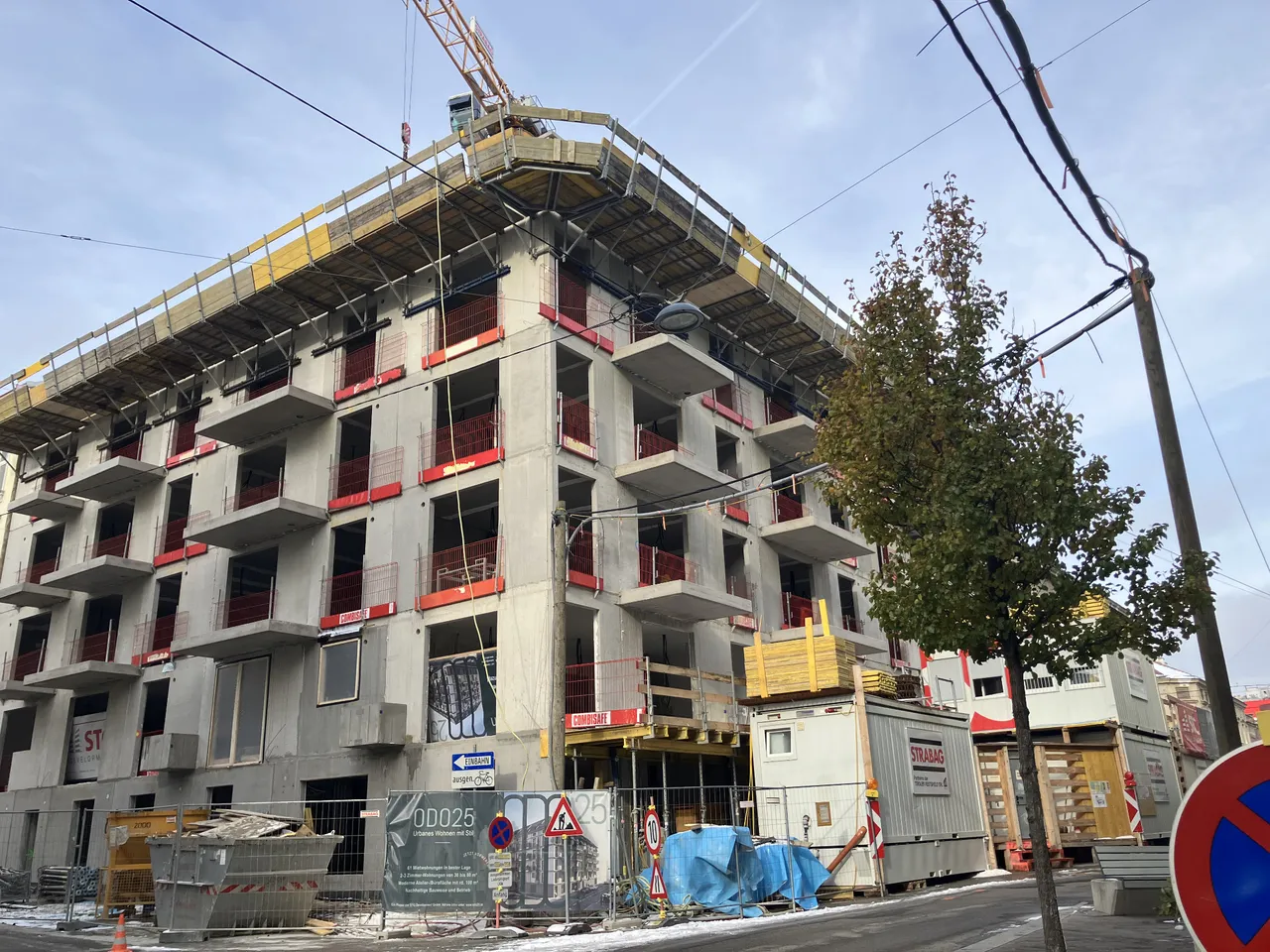
You’re building your dream home, the second one in a decade, in the Gemeinde (municipality) you’ve always wanted. Except this time, something’s shifted. Firms don’t return your calls. You chase quotes for weeks. When someone finally shows up, the price feels… vindictive.
Meanwhile, those same firms? They’re reporting great numbers.
This isn’t just your imagination. It’s the strangest paradox in Austrian housing right now: construction companies are financially thriving while treating private customers like an inconvenience. So what’s actually going on?
The Customer Service Collapse Nobody’s Talking About
Let me paint you a picture that will feel painfully familiar if you’ve tried to build or renovate recently.
A builder I spoke with described it as “being ghosted by people who should be begging for work.” He’d send follow-up emails, call office numbers, even show up at Baustellen (construction sites) hoping to catch someone. Nothing. When offers finally arrived, they came with price tags that seemed designed to make him go away, except when he accepted them, the firms still took the job and cashed the check.
This experience isn’t isolated. Many homeowners report that getting multiple quotes is nearly impossible, with contractors ghosting after site visits. The prevailing sentiment among those building today is that firms are cherry-picking projects, and private clients are at the bottom of the priority list.
But here’s what makes it genuinely confusing: interest rates are up, housing demand is cooling, and everyone’s talking about a downturn. Shouldn’t builders be grateful for any Auftrag (contract) they can get?
The Numbers Reveal a Different Story
The data from Statistik Austria tells us something important: construction prices aren’t falling, they’re climbing. The Baupreisindex (Construction Price Index) hit 104.9 points in Q2 2026, a 4.9% jump year-over-year. Tiefbau (civil engineering) prices soared even higher, up 7.0% annually.
In Vorarlberg, the situation is even more dramatic, prices in Q2 2026 were 40.4% higher than they were in 2020. If you’re wondering whether your Großvater’s (grandfather’s) stories about affordable building were real or nostalgic fantasy, the math says they were real.
And the Baukostenindex (Construction Cost Index) for residential construction rose 5.2% year-over-year as of July, according to ORF. That’s not just materials, that’s labor, energy, machinery, everything.
Here’s the key insight most people miss: Baupreise (construction prices) and Baukosten (construction costs) are two different things. Prices reflect what you pay. Costs reflect what firms spend. When prices rise faster than costs, margins expand. When they rise at the same rate, firms just pass through expenses. The current gap? Firms are expanding their margins.
Why Your Small Project Is Being Deprioritized
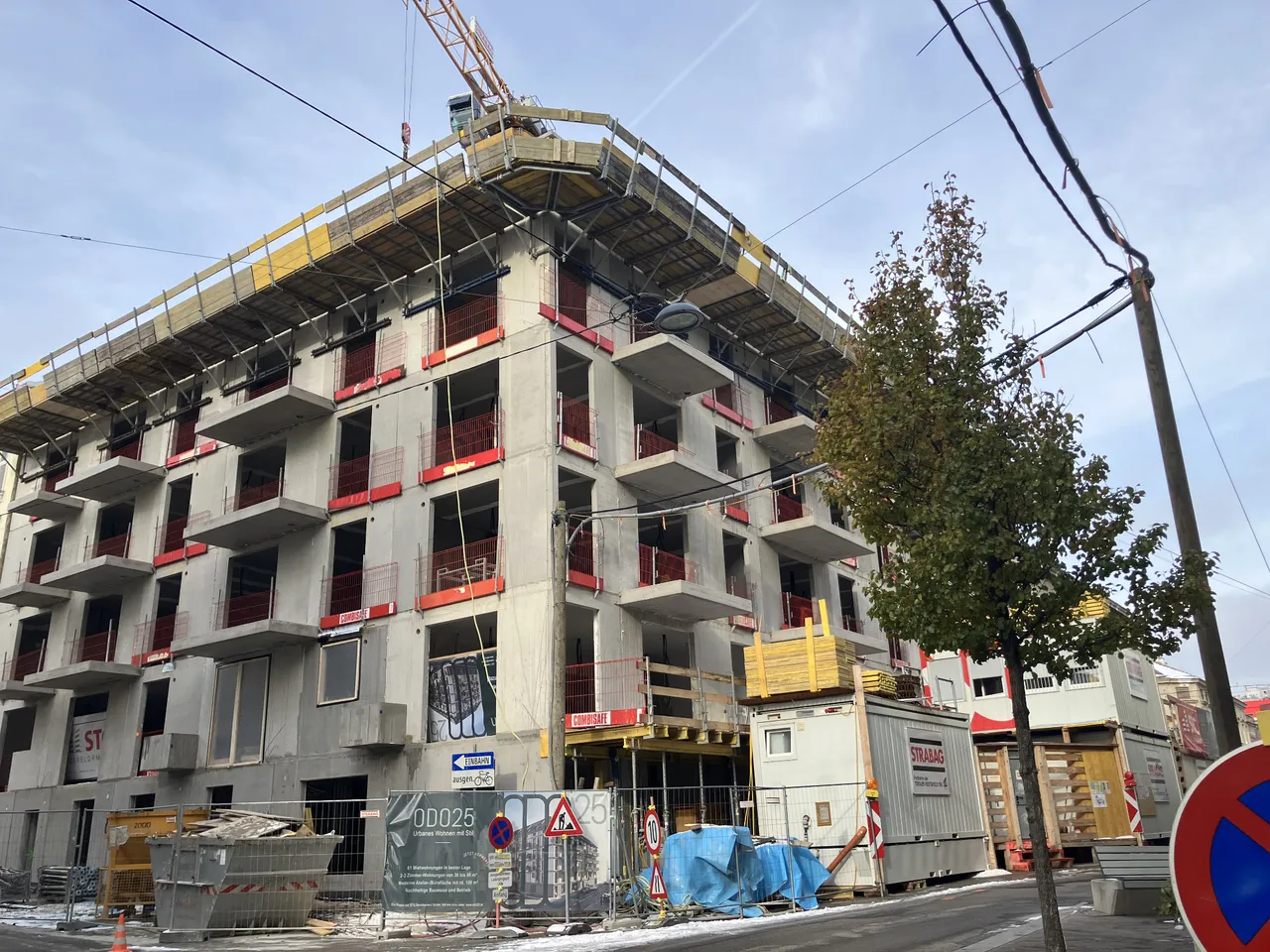
Here’s the uncomfortable truth about why you can’t get a call back: your €80,000 bathroom renovation just isn’t that interesting to a firm with a €20 million Genossenschaft (housing cooperative) contract.
Think about the economics from their perspective. Large commercial projects offer volume, predictable timelines, and fewer demanding private clients. One experienced tradesperson I spoke with put it bluntly: they worked years at a company where the big cooperatives alone generated enough revenue that the firm simply didn’t need private customers. They could turn down work, and often did.
Now scale that up to the entire industry. The margins on massive public and cooperative projects, especially in Tiefbau (civil engineering), where prices rose 7.0%, dwarf what you can offer. Your single-family home is a rounding error on their balance sheet.
Meanwhile, the skilled labor shortage means firms can’t scale up to take on more work even if they wanted to. One office manager noted that posting a position for a Sekretärin (secretary) yields 30 qualified applications in a week. A Techniker or Geselle (technician or journeyman) position gets three in six months, if they’re lucky.
So what happens when demand is high, supply is constrained, and margins are expanding? You get selective, arrogant, and increasingly expensive service. It’s not personal. It’s structural.
The Labor Shortage Is Making Everything Worse
This isn’t just about inconvenience, it’s reshaping the entire market. Utilities and housing providers are struggling to find workers, which drives up costs and extends timelines. For private clients, this means either paying premium rates for whatever capacity remains or waiting months longer than planned.
The shortage also explains why prices keep climbing. Bauzinsen (construction loan interest rates) have stabilized around 4%, higher than recent memory but historically moderate. That keeps some demand alive. But the real constraint is capacity. When you can’t find workers, you can’t take on more projects. So you raise prices until demand meets your actual capacity.
Who’s Actually Making Money?
The honest answer: firms locked into long-term public or cooperative contracts are doing extremely well. They have predictable revenue streams, minimal acquisition costs, and expanding margins.
Private homebuilders? You’re subsidizing their profitability. When you pay inflated prices because you have no alternatives, you’re the margin on top of their comfortable municipal contracts.
There’s a deeper problem here though. The Austrian system relies on Genossenschaften (housing cooperatives) and public construction to deliver affordable housing. When construction costs keep climbing, those housing units become more expensive to build. And when prices rise, either the Ergänzungsabgabe (supplementary levy) goes up or the Förderungen (subsidies) run dry. Vienna residents are already experiencing this as municipal funding pools deplete faster than expected.
What This Means for Your Building Project
So you’re stuck wanting to build or renovate. What do you actually do?
First, recognize the power dynamic. You’re not the prize customer here. Adjust your expectations accordingly, this isn’t 2015 when firms competed for your business.
Second, consider hiring a Bauleiter (construction manager) or going through an Ausschreibung (formal tender). Multiple homeowners report that when they route requests through a professional, response times improve dramatically. Firms answer to people who know how to structure contracts, not to individuals they perceive as one-off customers.
Third, be realistic about timelines and budgets. If a firm quotes you a price that seems absurd, it might actually be their polite way of saying “we don’t want this project but would do it if you’re willing to overpay.” Sometimes accepting that and negotiating hard on scope is your best path forward.
If you’re currently weighing whether to take out a construction loan in this environment, consider the risks and financial realities of construction financing in today’s Austrian market, especially around those surprise costs that routinely blow through initial budgets.
The Bigger Picture: An Industry at a Crossroads
This situation isn’t sustainable. Eventually, the private market will dry up to the point where even cooperative-backed firms feel the pinch. But that adjustment hasn’t arrived yet, and homeowners bear the brunt of the transition.
The rising housing costs and affordability crisis affecting Austrian professionals creates pressure on politicians to act, but construction firms aren’t feeling that pain yet. They’re the ones holding the cards.
Understanding the financial pressures and economic realities shaping both household budgets and business decisions helps explain why the market behaves this way. And if you’re considering real estate investment as an alternative, the myths around passive rental income might change your perspective.
The Bottom Line
Construction firms in Austria aren’t thriving despite the housing market downturn, they’re thriving because of the conditions that create it. Labor shortages, rising costs, and structural advantages for large contractors combine to produce an environment where private customers are squeezed while margins expand.
The ghosting isn’t personal. The inflated prices aren’t malicious. They’re rational responses to an economy that values commercial scale over individual projects and lacks the workforce to serve everyone.
So what’s your move? Accept the new reality, professionalize your approach, or wait for the inevitable correction. Just don’t hold your breath waiting for that call back.