
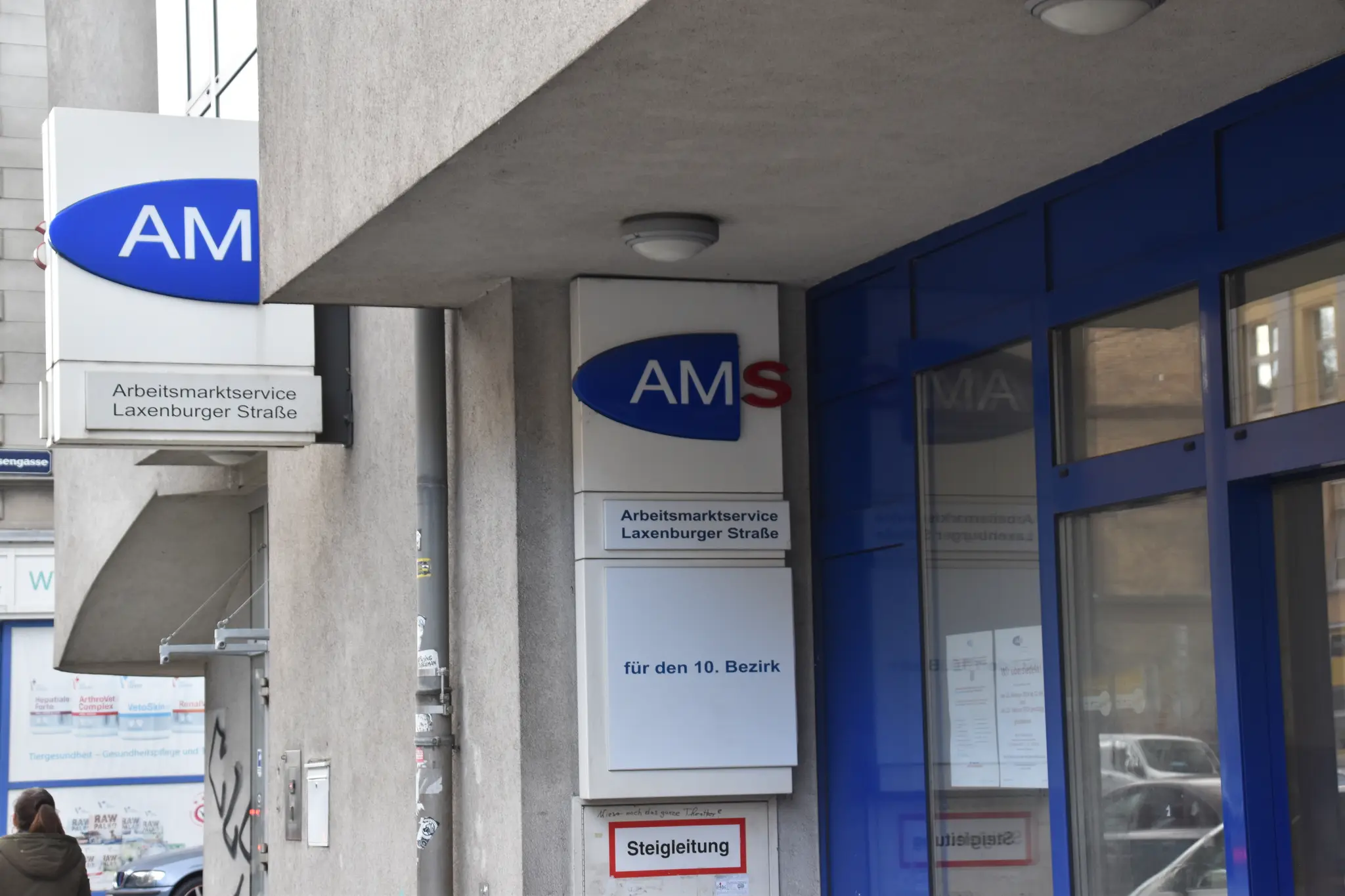
Let’s paint a picture. You lose your job. You’re already stressed, your routine is shot, and you have to navigate the Austrian bureaucracy to get your Arbeitslosengeld (unemployment benefit). You get a letter with a number on it. You assume it’s correct, because, well, why wouldn’t it be? It’s the government.
Then you find out the government has been doing the math wrong for years. And by “wrong”, I mean systematically paying out too little money to hundreds of thousands of people.
That’s the situation unfolding right now. The AMS (Arbeitsmarktservice or Public Employment Service) is facing a bill of up to €135 million in back payments. The cause? A calculation error that dates back to a law from 2008, and it could mean a surprise payout for a staggering number of people.
The Woman Who Checked the Math
This entire avalanche started with a single woman in Upper Austria. She had a monthly gross salary of €1,123.86 before she became unemployed. When the AMS calculated her daily benefit, they arrived at a rate of €21.09.
But she was a Geringverdiener (low-wage earner). In Austria, people earning below a certain threshold are either partially or fully exempt from paying the unemployment insurance contribution (Arbeitslosenversicherungsbeitrag). The AMS was deducting a flat three percent, the rate for higher earners, from her calculation, even though she didn’t have to pay it. This reduced her calculated net income and, as a result, her daily benefit.
She took her case to court. She lost at the Federal Administrative Court. But she pushed on to the Verwaltungsgerichtshof (VwGH, the Supreme Administrative Court). In July 2026, she won. The court ruled that the AMS must use the social contribution rates when calculating benefits for all claimants, not just the standard deduction.
A 25-Year-Old Legal Wrinkle
This wasn’t a simple typo. The problem goes back to 2001, when the legislature declared that an average calculation for replacement rates was permissible. Then in 2008, they introduced the social tiering for the unemployment insurance contribution. The intent was that this new tiering wouldn’t affect the calculation of the benefits themselves, but they only wrote that intention in the explanatory notes to the law, not in the law’s text. The court determined that since it wasn’t in the text, the AMS was applying the law incorrectly.
This affects more than just the woman from Upper Austria. The court’s decision applies to everyone who received unemployment benefits and was in the low-income bracket. We’re talking about a number in the six figures. According to reports from the Oberösterreichische Nachrichten and Kronen Zeitung, the total amount owed could be around €135 million.
The prevailing sentiment is that one sharp-eyed citizen just exposed a decade-and-a-half of systemic underpayment, and the entire state apparatus has to scramble to fix it.
Are You Owed Money?
If you earned less than €2,225 gross per month (the current full exemption limit) or between €2,225 and €2,630 (the partial exemption limit) before a period of unemployment, you could be affected. The higher earners who paid the standard 3% won’t see a cent, this only impacts those who shouldn’t have had the full deduction in the first place.
This wasn’t a one-off issue for a few thousand people. It’s thought to impact over 100,000 individuals. There is a three-year statute of limitations for corrections, so you can claim back-payments for the last three years from your claim date.
What to Do Next
The AMS is ostensibly working on guidelines to handle this, with the goal of paying out without requiring everyone to file a formal appeal. The government is looking at a legal solution to manage the process. Here’s what you need to watch for:
- Don’t wait for a letter. The AMS is expected to start self-reviewing cases. If you think you qualify, you should be proactive.
- Check your old Bescheide (assessment notices). Dig out your old documents. Look at the calculation breakdown. If they deducted 3% and your income should have placed you in a lower or zero bracket, you might have a claim.
- Contact the AMS. The organization that underpaid you is the first place to ask about a recalculation. While they might not be thrilled to hear from you, you have the VwGH ruling on your side.
- Ask the Arbeiterkammer (AK, the Chamber of Labor). They supported the original claimant and are the reason this became a public issue. They are a great, free resource to help you understand if you have a valid claim and how to push it through.
This is a frustrating case of state bureaucracy costing the public purse. But it’s a reminder that Austrian systems, for all their rigidity, are built on laws. If you don’t check the details, you might be leaving money on the table. In this case, the state certainly hopes you don’t check. But you should.